Introduction to Proximity Sensors in ATC Systems
In the realm of advanced manufacturing, the Automatic Tool Changer (ATC) is a cornerstone of modern machining centers, enabling rapid, precise, and automated tool swaps. The reliability and speed of an ATC are heavily dependent on its sensory feedback system. Among the various sensor types employed, proximity sensors play a pivotal role. These non-contact electronic devices detect the presence or absence of a target object—typically a tool, tool holder, or mechanical component within the changer mechanism—without any physical contact. Their primary function is to provide critical positional feedback to the machine's CNC (Computer Numerical Control) system, ensuring tools are correctly seated, carousels are indexed accurately, and doors or shields are in the safe position. The absence of mechanical wear and their high-speed response make them ideal for the harsh, high-cycle environment of a machining center.
Fundamental Operating Principles
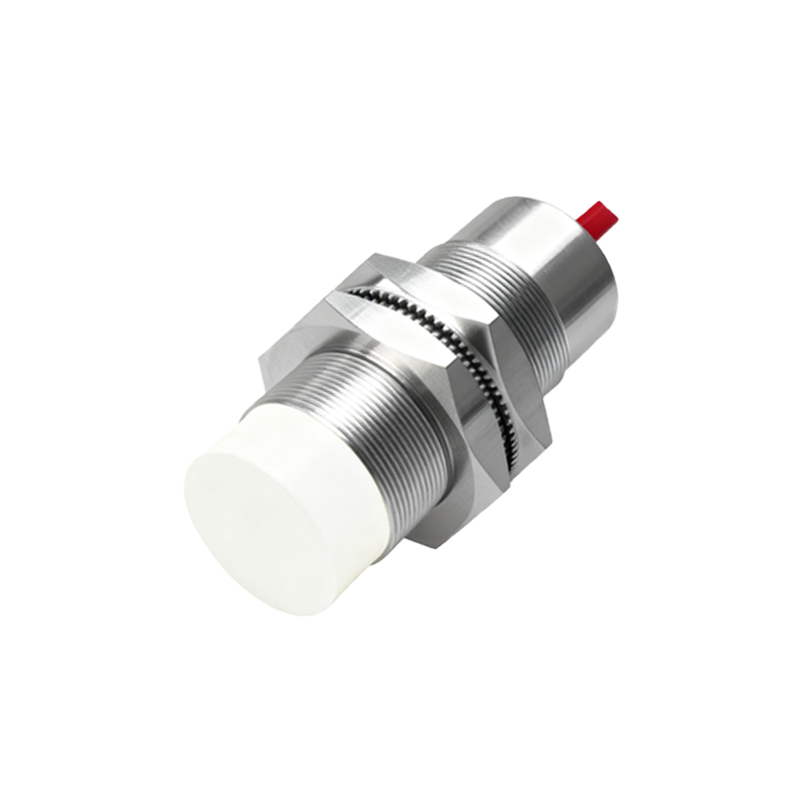
Proximity sensors used in ATC applications predominantly operate on two fundamental principles: inductive and magnetic (reed or Hall effect). Inductive proximity sensors are the most common. They generate an oscillating electromagnetic field from a coil in the sensor face. When a metallic target (like a tool holder) enters this field, it induces eddy currents on the target's surface. These currents absorb energy from the oscillator, causing its amplitude to decrease. This change is detected by the sensor's circuitry, which then triggers a solid-state output switch, sending a signal to the controller. The sensing range is relatively short and is specific to ferrous and non-ferrous metals. Magnetic proximity sensors, on the other hand, detect the presence of a permanent magnet. Reed switch types use hermetically sealed contacts that close in the presence of a magnetic field. Hall effect sensors generate a voltage differential when exposed to a magnetic field. These are often used for detecting the position of pneumatic cylinders or rotary mechanisms within the ATC that have embedded magnets.
Key Sensor Types and Their Specific Applications
Within an ATC, different proximity sensor types are strategically deployed. Cylindrical inductive sensors are frequently used for tool presence detection in the spindle or in the tool magazine pockets. Their robust metallic housing withstands coolant and chip exposure. Slot-type or fork sensors are used to detect the position of a tool shank or a flag on a rotating carousel, providing precise indexing feedback. Magnetic sensors are commonly found on the actuators for the ATC arm, confirming its extended, retracted, or rotated positions. Furthermore, capacitive proximity sensors, though less common, can be used for non-metallic object detection, such as verifying the presence of a plastic tool identification chip or a composite door. Each sensor's characteristics—such as sensing distance, switching frequency, temperature rating, and output type (PNP/NPN)—are carefully selected to match its specific task and environmental conditions.
Integration with CNC Control and Signal Processing
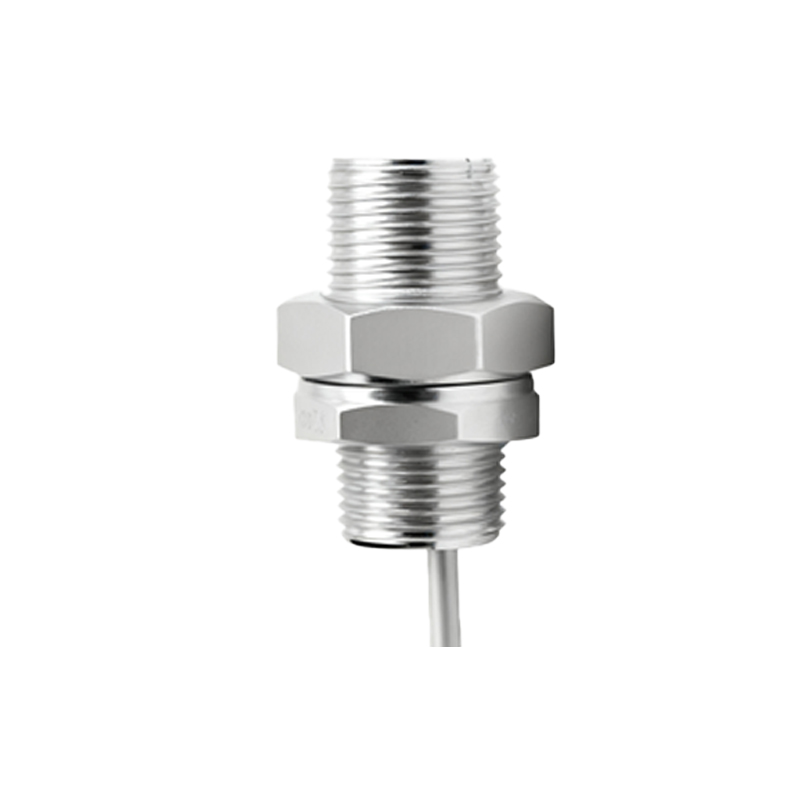
The raw signal from a proximity sensor is a simple binary state: on or off. This signal is fed into the machine's PLC (Programmable Logic Controller) or directly into the CNC's I/O modules. The CNC software continuously monitors these input points. For example, a "tool clamped" sensor must be active before the spindle can start rotation. A "magazine in position" sensor must be confirmed before the tool exchange arm begins its cycle. This integration creates a safety interlock system. The sensors provide real-time verification, and any discrepancy—such as a sensor failing to activate at the expected moment—triggers an alarm and halts the ATC sequence to prevent a crash. Advanced systems may use analog sensors or multiple sensors in tandem to provide not just presence detection but also positional feedback or wear compensation data.
Common Challenges and Maintenance Considerations
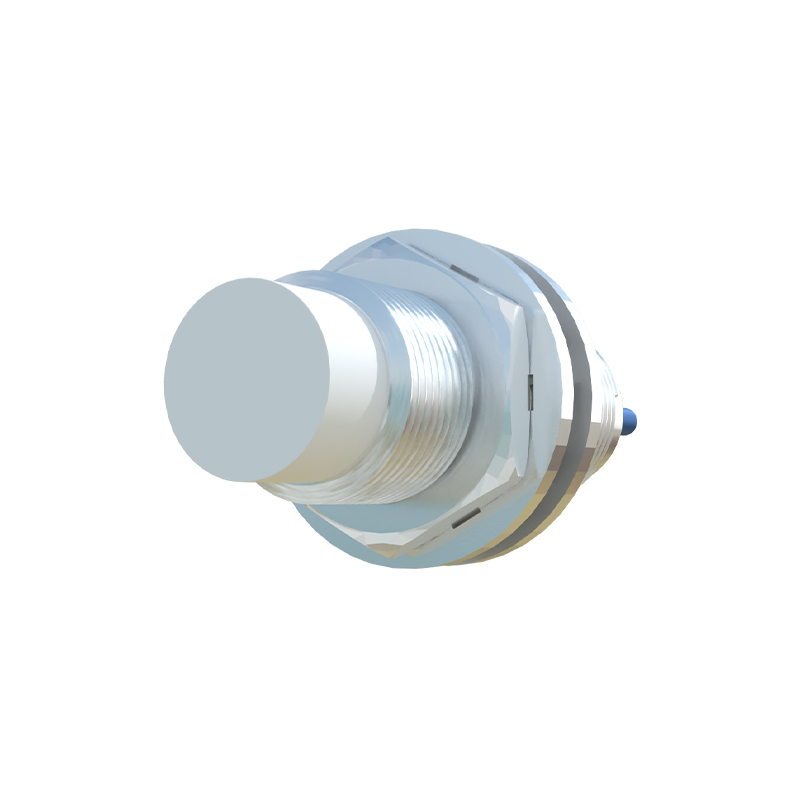
Despite their reliability, proximity sensors in ATCs face significant challenges. Contamination by metal chips, coolant, or grease is the foremost issue, which can cause false triggering or failure. Proper shrouding and regular cleaning are essential. Electrical noise from spindle drives or power cables can interfere with sensor signals, necessitating shielded cables and proper grounding. Mechanical misalignment, often due to vibration or impact, can move the sensor or its target out of the effective sensing range, leading to intermittent faults. Preventive maintenance includes periodic checks of sensor alignment, cleaning of sensor faces, and verification of switching signals using diagnostic tools. Understanding the principle of operation aids troubleshooting; for instance, knowing that an inductive sensor requires a metal target of sufficient size helps diagnose a failure caused by a broken or non-standard tool holder.
Advancements and Future Trends
The evolution of proximity sensing in ATCs aligns with Industry 4.0 trends. Modern sensors are becoming more intelligent, featuring IO-L