Introduction to Photoelectric Sensors
Photoelectric sensors are pivotal components in modern industrial automation, enabling non-contact detection of objects through the use of light beams. These devices operate by emitting a light source—typically infrared, visible, or laser light—and detecting changes in the light's properties when an object interrupts or reflects the beam. Widely utilized in manufacturing, packaging, and material handling systems, photoelectric sensors offer high precision, reliability, and versatility. Their ability to function in harsh environments, coupled with fast response times, makes them indispensable for tasks such as object counting, positioning, and quality control. This article delves into the core working principles of photoelectric sensors, exploring their types, operational mechanisms, and key applications in the electrical engineering field.
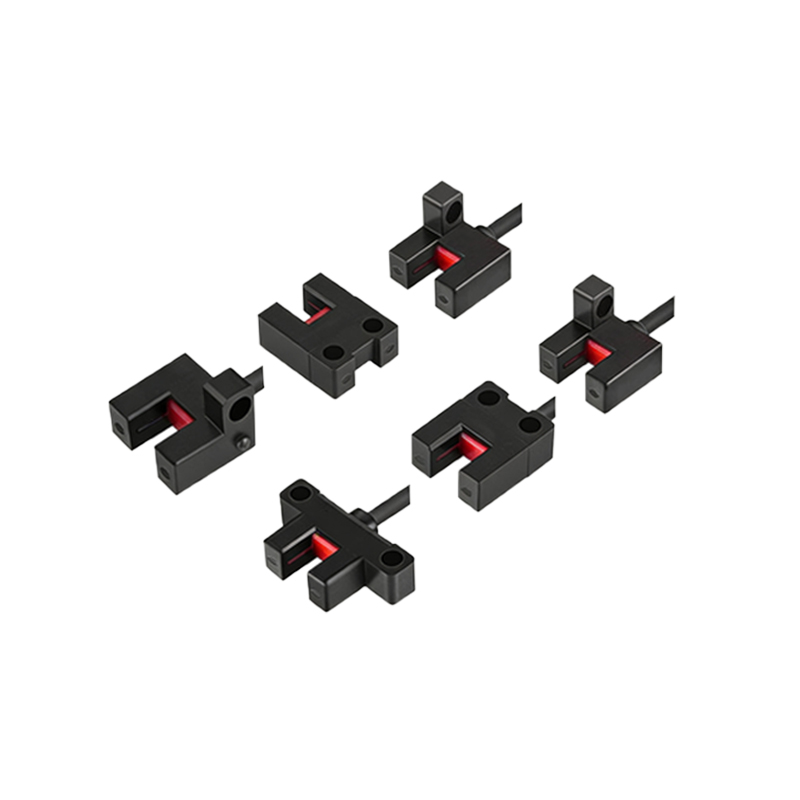
Basic Components and Light Sources
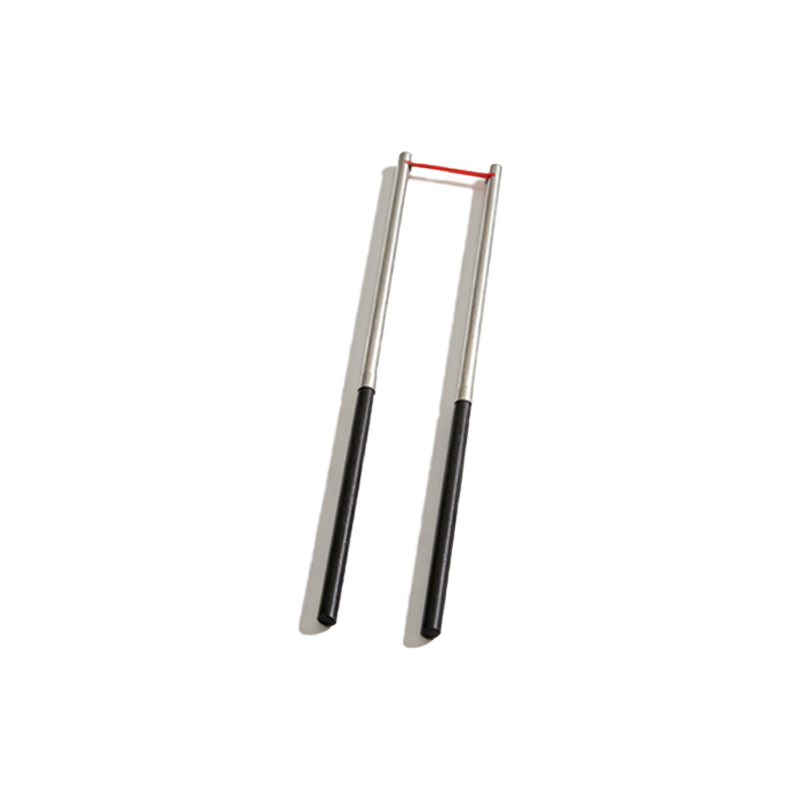
At the heart of a photoelectric sensor are three fundamental elements: an emitter, a receiver, and a signal processing unit. The emitter generates a light beam using sources like LEDs (Light Emitting Diodes) or laser diodes. LEDs are common due to their longevity, low cost, and efficiency, often emitting infrared light to minimize interference from ambient light. Laser diodes provide focused, high-intensity beams suitable for long-range detection. The receiver, usually a phototransistor or photodiode, captures the light and converts it into an electrical signal. The signal processor then analyzes this output, triggering actions such as switching a relay or sending data to a control system. This setup allows for seamless integration into automated processes, ensuring accurate object detection without physical contact.
Operating Principles: Through-Beam and Retroreflective Modes
Photoelectric sensors primarily function in two main modes: through-beam (or opposed) and retroreflective. In through-beam mode, the emitter and receiver are separate units placed opposite each other. The emitter projects a continuous light beam to the receiver, and when an object interrupts this path, the sensor detects the absence of light, signaling the presence of the object. This mode offers high accuracy and long sensing distances, making it ideal for applications requiring reliable detection in challenging conditions. In retroreflective mode, both emitter and receiver are housed in a single unit, with a reflector positioned opposite. The light beam reflects off the reflector back to the receiver. When an object blocks the beam, the sensor triggers. This mode simplifies installation and is cost-effective for medium-range detection, though it may be affected by reflective surfaces.
Diffuse Reflection and Background Suppression Techniques
Another common operating mode is diffuse reflection, where the emitter and receiver are combined in one housing, and detection relies on light reflecting directly off the target object. The sensor emits a beam, and the receiver measures the intensity of the reflected light. If the reflection exceeds a preset threshold—indicating an object is within range—the sensor activates. This mode is versatile for detecting objects at close ranges but can be influenced by the object's color or surface texture. To enhance accuracy, background suppression sensors use triangulation principles. They emit a focused beam and measure the angle of reflection, allowing them to ignore distant backgrounds and detect only objects within a specific range. This technique is crucial in applications like robotic guidance or precise positioning.
Key Applications in Industrial Settings
Photoelectric sensors are integral to various industrial processes due to their adaptability and efficiency. In conveyor systems, they monitor product flow, count items, and detect jams, ensuring smooth operations. In packaging lines, sensors verify label placement, check fill levels, and inspect seals, maintaining quality standards. Automotive manufacturing relies on them for part alignment and assembly verification, while in logistics, they facilitate sorting and inventory management. Additionally, safety systems use photoelectric sensors as light curtains to protect workers from machinery hazards. Their non-contact nature reduces wear and tear, extending equipment lifespan and minimizing maintenance costs in demanding environments like factories or warehouses.
Advantages and Selection Criteria
The benefits of photoelectric sensors include fast response times, often in milliseconds, and high resolution for detecting small objects. They are immune to electromagnetic interference and can operate in dusty or wet conditions when properly enclosed. When selecting a sensor, engineers consider factors such as sensing distance, light source type, and environmental robustness. For instance, infrared sensors are preferred in areas with high ambient light, while laser-based sensors suit long-range tasks. Output options—like digital switches or analog signals—also influence choice based on the control system's requirements. Regular calibration and cleaning of lenses ensure optimal performance, highlighting the importance of proper installation and upkeep.
Future Trends and Innovations
Advancements in photoelectric sensor technology continue to drive industrial automation forward. Innovations include smart sensors with integrated IoT (Internet of Things) capabilities, enabling real-time data monitoring and predictive maintenance. Enhanced algorithms improve object discrimination, reducing false triggers in complex settings. Miniaturization allows for compact designs suitable for tight spaces, while energy-efficient models support sustainable operations. As industries embrace Industry 4.0, photoelectric sensors are evolving to offer greater connectivity and intelligence, facilitating seamless integration with AI-driven systems. These developments promise to expand their applications, from precision agriculture to smart cities, reinforcing their role as critical tools in the electrical engineering landscape.