Introduction to Waterproof Proximity Sensors
In the demanding environments of modern industry, the reliability of sensing technology is paramount. Waterproof proximity sensors have emerged as a critical component across numerous sectors, from food and beverage processing and chemical manufacturing to outdoor machinery and marine applications. Unlike standard inductive or capacitive sensors, these specialized devices are engineered to withstand exposure to liquids, dust, and extreme temperatures without compromising performance. A leading waterproof proximity sensor production facility is not merely an assembly plant; it is a hub of precision engineering, rigorous testing, and continuous innovation dedicated to creating products that ensure operational continuity and safety in the harshest conditions.
Core Manufacturing Processes and Technologies
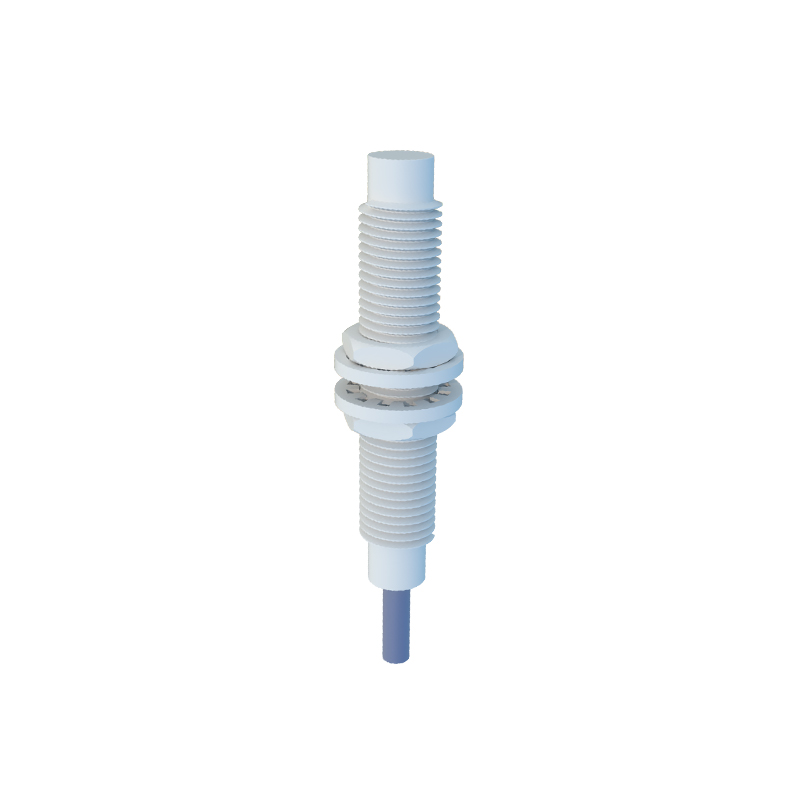
The production of a high-quality waterproof proximity sensor begins with meticulous design and material selection. The housing is typically constructed from corrosion-resistant materials such as stainless steel (e.g., SUS303, SUS304) or high-grade engineering plastics like PBT or PPS. The manufacturing process involves precision machining to create a robust enclosure with exacting tolerances. A critical step is the integration of the sensing face, often made of a specialized polymer that allows the electromagnetic field to pass through while forming a hermetic seal. The internal electronics, including the oscillator, amplifier, and output circuitry, are then assembled on a compact, protected PCB. The entire assembly undergoes a precise potting process, where the internal cavity is filled with a waterproof epoxy or silicone gel. This potting compound encapsulates the electronics, providing exceptional protection against moisture ingress, mechanical shock, and vibration.
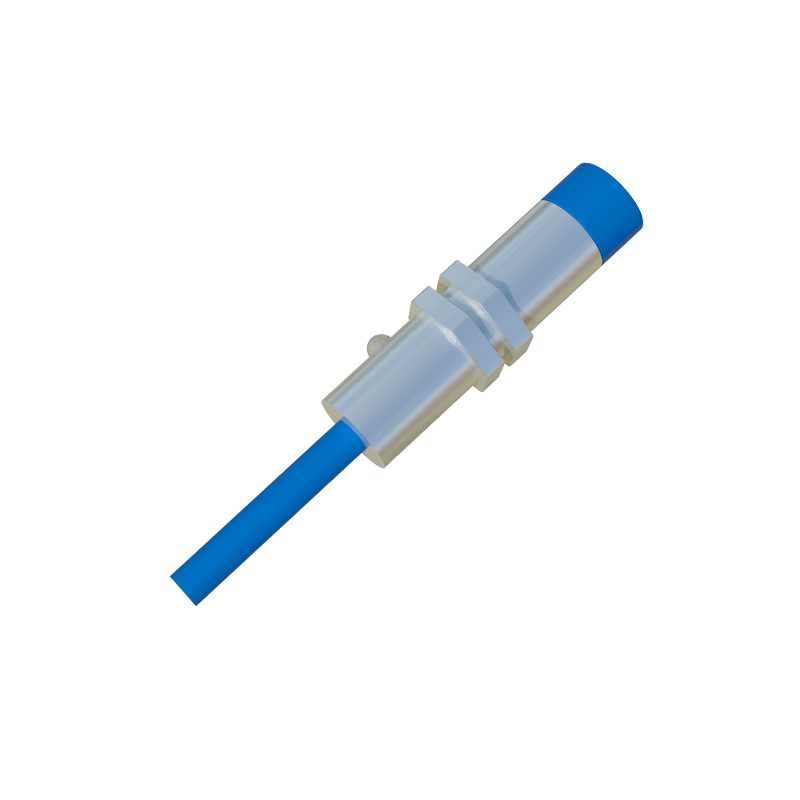
Ensuring Waterproof Integrity: Sealing and Testing
The defining characteristic of these sensors is their ingress protection rating, most commonly IP67, IP68, or IP69K. Achieving these ratings is a non-negotiable standard in a reputable factory. This involves sophisticated sealing techniques, including the use of high-performance O-rings, gaskets, and laser welding for metal housings. Every sensor batch is subjected to a battery of stringent environmental tests. These include submersion tests at specified depths and durations, high-pressure water jet tests (for IP69K), thermal cycling, and salt spray tests to evaluate corrosion resistance. Advanced facilities employ automated testing rigs that simulate real-world conditions, ensuring that every unit leaving the production line meets its specified IP rating and operational parameters reliably.
Quality Control and Certification Standards
A world-class manufacturer operates under a comprehensive quality management system, often certified to ISO 9001. Quality control is embedded at every stage, from incoming raw material inspection to final product auditing. Key performance parameters such as sensing distance, repeat accuracy, switching frequency, and temperature drift are verified using calibrated laboratory equipment. Furthermore, sensors intended for specific industries require additional certifications. For example, sensors used in hazardous areas may need ATEX or IECEx certification, while those in food processing might require FDA-compliant materials and EHEDG design principles. Adherence to these global standards is a testament to the factory's commitment to safety, reliability, and market compliance.
Customization and Application-Specific Solutions
While standard product lines are essential, the true expertise of a specialized factory lies in its ability to provide customized solutions. Industrial applications vary widely; a sensor for a bottling plant has different requirements than one for a mining excavator or a wastewater treatment facility. Leading manufacturers work closely with clients to develop tailored sensors. This can involve modifying the housing shape or material, adjusting the sensing range, integrating special cables or connectors, or developing unique output configurations. This collaborative engineering approach ensures the sensor is not just a component but an optimized solution for the specific environmental and functional challenges of the application.
The Role of R&D and Future Trends
The landscape of industrial automation is constantly evolving, driving continuous research and development in sensor technology. Top-tier waterproof proximity sensor factories invest significantly in R&D to pioneer next-generation products. Current trends include the development of IO-Link enabled smart sensors that provide diagnostic data and parameterization capabilities, enhancing predictive maintenance strategies. There is also a push towards miniaturization without sacrificing performance or protection ratings, and the use of more robust and chemically resistant materials. Furthermore, integrating advanced sensing principles to detect different types of materials reliably in wet environments remains a key focus area, ensuring these critical components keep pace with the future of Industry 4.0 and beyond.