Introduction to Photoelectric Sensors
Photoelectric sensors are essential components in modern industrial automation, utilizing light beams to detect the presence, absence, or distance of objects. These devices operate by emitting a light source—typically infrared, visible red, or laser—and measuring the reflection or interruption of that light. Direct sales models for photoelectric sensors have gained traction, offering cost-effective and customized solutions directly from manufacturers to end-users. This approach ensures timely delivery, technical support, and tailored specifications for diverse applications, from packaging lines to robotic systems. By eliminating intermediaries, direct sales enhance efficiency and reliability in sourcing these critical sensors.
Core Functions of Photoelectric Sensors
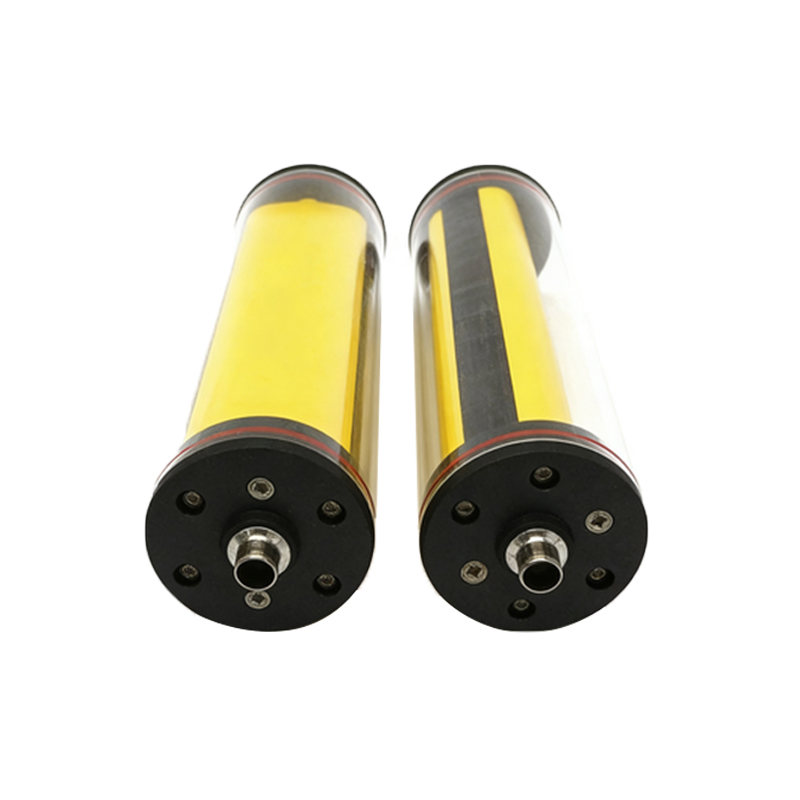
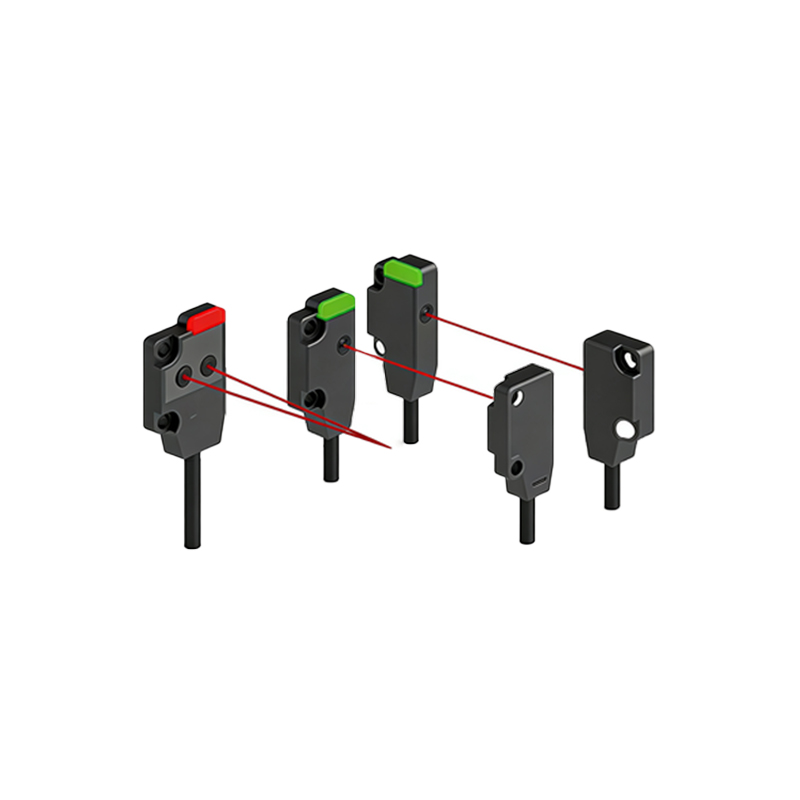
The primary functions of photoelectric sensors include detection, measurement, and control in automated environments. Through-beam sensors consist of separate emitter and receiver units, detecting objects that break the light beam, ideal for high-precision tasks. Retro-reflective sensors use a reflector to bounce light back to the receiver, suitable for medium-range detection. Diffuse sensors rely on light reflecting directly off objects, offering flexibility in close-range applications. Advanced models incorporate background suppression and color recognition, enabling complex tasks like sorting or quality inspection. These functions ensure accurate object positioning, counting, and safety monitoring in industries such as automotive and electronics.
Benefits of Direct Sales for Photoelectric Sensors
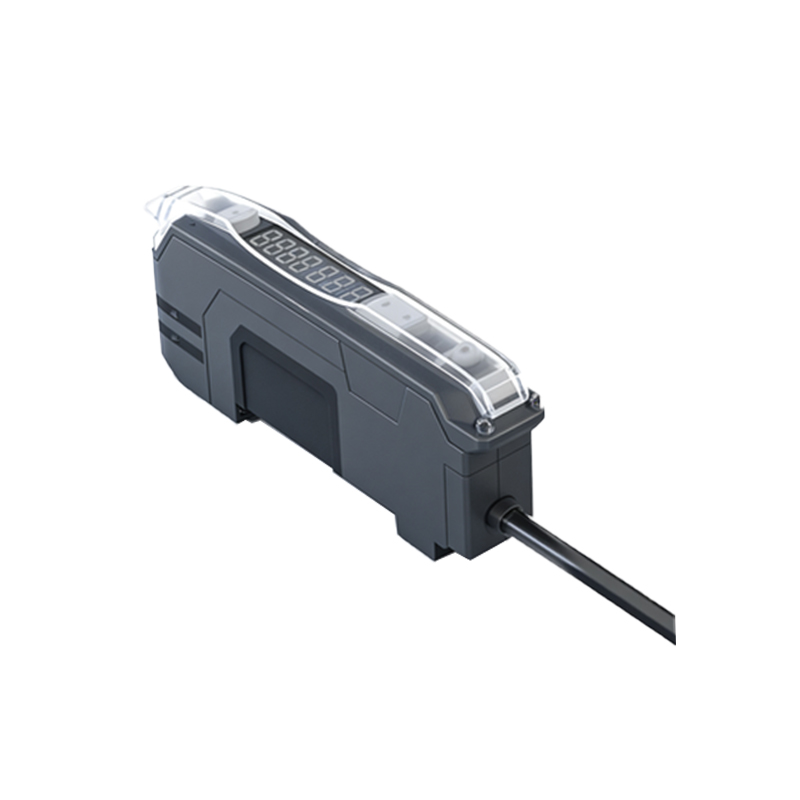
Direct sales provide significant advantages in procuring photoelectric sensors, including reduced costs and enhanced customization. By purchasing directly from manufacturers, companies avoid markups from distributors, leading to lower overall expenses. This model also facilitates direct communication with engineering teams, allowing for sensor modifications to meet specific environmental conditions, such as extreme temperatures or dusty settings. Additionally, direct sales often include comprehensive technical support and faster response times for troubleshooting, minimizing downtime in production lines. These benefits make direct sales an attractive option for businesses seeking reliable and affordable automation solutions.
Applications in Industrial Automation
Photoelectric sensors play a vital role in various industrial applications, improving efficiency and safety. In conveyor systems, they detect product presence to control movement and prevent jams. In assembly lines, sensors verify component placement and orientation, ensuring quality control. Safety systems use photoelectric barriers to protect workers by halting machinery when intrusions are detected. Furthermore, in logistics and warehousing, sensors enable automated sorting and inventory management. The versatility of photoelectric sensors, combined with direct sales access, allows industries to implement tailored solutions that boost productivity and reduce operational risks.
Choosing the Right Photoelectric Sensor
Selecting an appropriate photoelectric sensor involves considering factors like sensing range, environmental conditions, and output requirements. For long-distance detection, through-beam or laser sensors are preferred, while diffuse sensors suffice for shorter ranges. Harsh environments may require ruggedized models with high ingress protection ratings. Output options, such as analog or digital signals, should align with control system compatibility. Direct sales channels assist in this process by offering expert guidance and product testing, ensuring optimal sensor performance. By evaluating these aspects, businesses can enhance automation reliability and achieve long-term cost savings through targeted investments.
Future Trends and Innovations
The future of photoelectric sensors is marked by advancements in smart technology and connectivity. Innovations include IoT integration for real-time monitoring and predictive maintenance, reducing unexpected failures. Miniaturization and energy-efficient designs are expanding applications in compact devices and battery-powered systems. Additionally, enhanced sensitivity and AI-driven algorithms enable more precise detection in complex scenarios. Direct sales models are evolving to support these trends by providing access to cutting-edge products and collaborative development opportunities. As industries embrace Industry 4.0, photoelectric sensors will continue to be pivotal in driving automation forward.