Introduction to Photoelectric Sensors in Laser Systems
Photoelectric sensors are fundamental components within modern laser head assemblies, serving as the critical eyes of the system. These sensors operate on the principle of converting light signals into electrical signals, enabling precise detection, measurement, and control. In laser applications, whether for cutting, engraving, marking, or precision measurement, the photoelectric sensor ensures operational accuracy and system safety. It typically consists of an emitter, which is often the laser diode itself or a dedicated light source, and a receiver, such as a photodiode or phototransistor. The interaction between the emitted light beam and the target object, or the monitoring of the laser's own output, forms the basis of its functionality. The integration of these sensors directly impacts the laser system's performance, influencing factors like positioning accuracy, edge detection, and feedback loop stability.
Core Operating Principles and Technologies
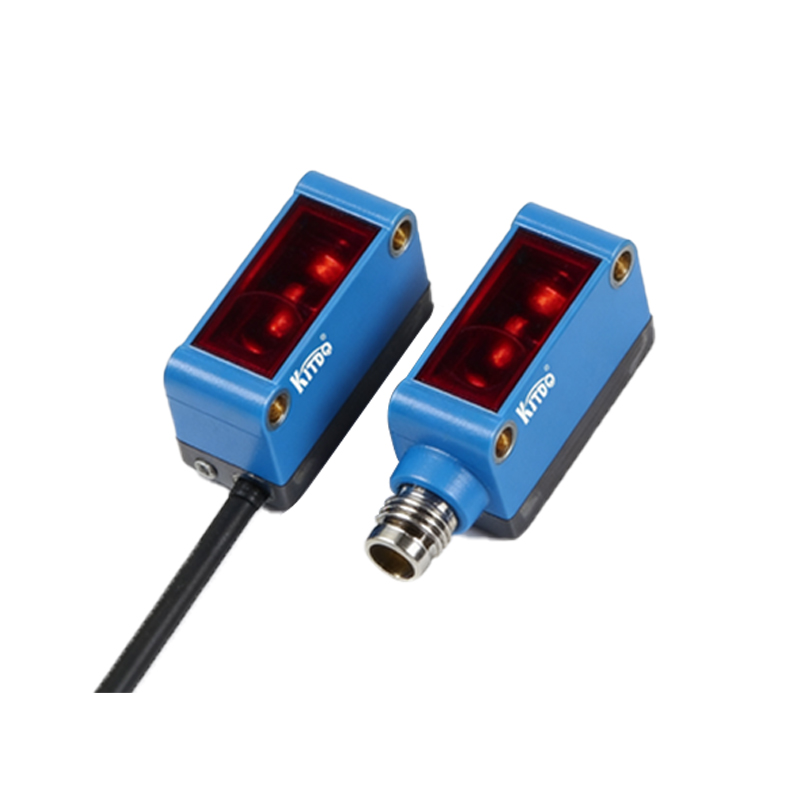
The core operation hinges on modulation and demodulation techniques to ensure reliability amidst ambient light interference. Common technologies include through-beam, retro-reflective, and diffuse-reflective sensing modes. In a laser head, through-beam sensors are frequently used for precise edge detection or material presence sensing, where the emitter and receiver are separate units. The laser beam is interrupted by the target, triggering a signal change. For internal monitoring, diffuse-reflective sensors might be used to detect back-reflected light from the workpiece or internal optics. A key technology is the use of focused, often visible red or infrared, laser diodes as the light source, providing a highly collimated beam for long-range and precise detection. The receiver circuitry is designed for high sensitivity and fast response times, crucial for high-speed laser processing where microseconds matter.
Key Design Considerations and Integration
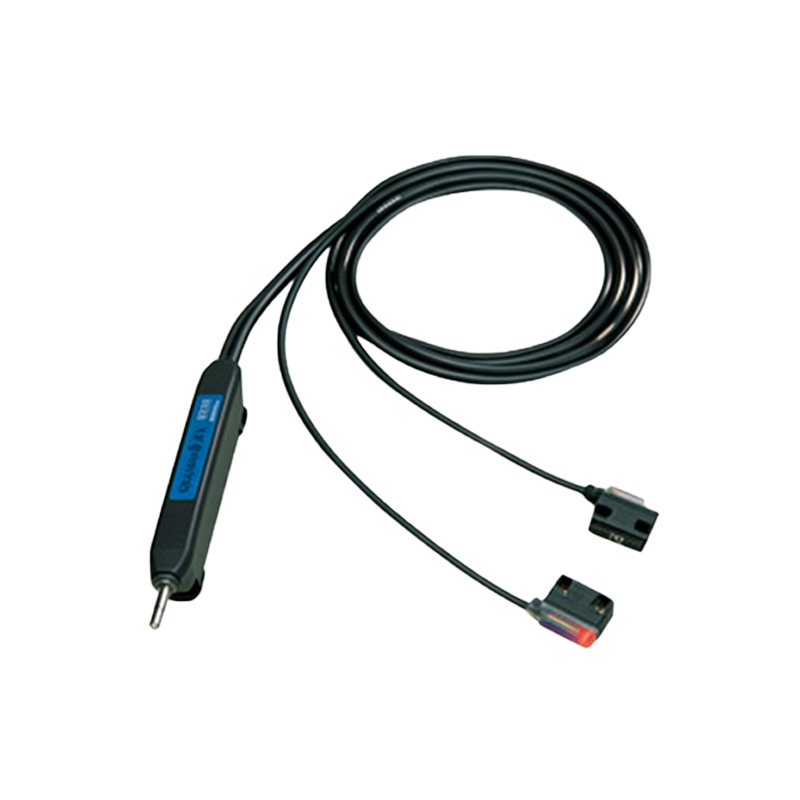
Integrating a photoelectric sensor into a laser head demands careful engineering. Wavelength selection is paramount; the sensor's spectral response must be matched to the laser's operating wavelength or to a dedicated monitoring wavelength to avoid cross-talk. For instance, a sensor monitoring a 1064nm infrared cutting laser's output might use a filtered photodiode sensitive to that specific band. Mechanical design must account for precise optical alignment, vibration resistance, and thermal stability, as laser heads generate significant heat. Electrical design involves shielding against electromagnetic interference (EMI) from high-power laser drivers and ensuring signal integrity for the low-voltage sensor output. Furthermore, the sensor's housing must often withstand harsh industrial environments, including dust, coolant mists, and occasional spatter.
Primary Applications in Industrial Laser Processing
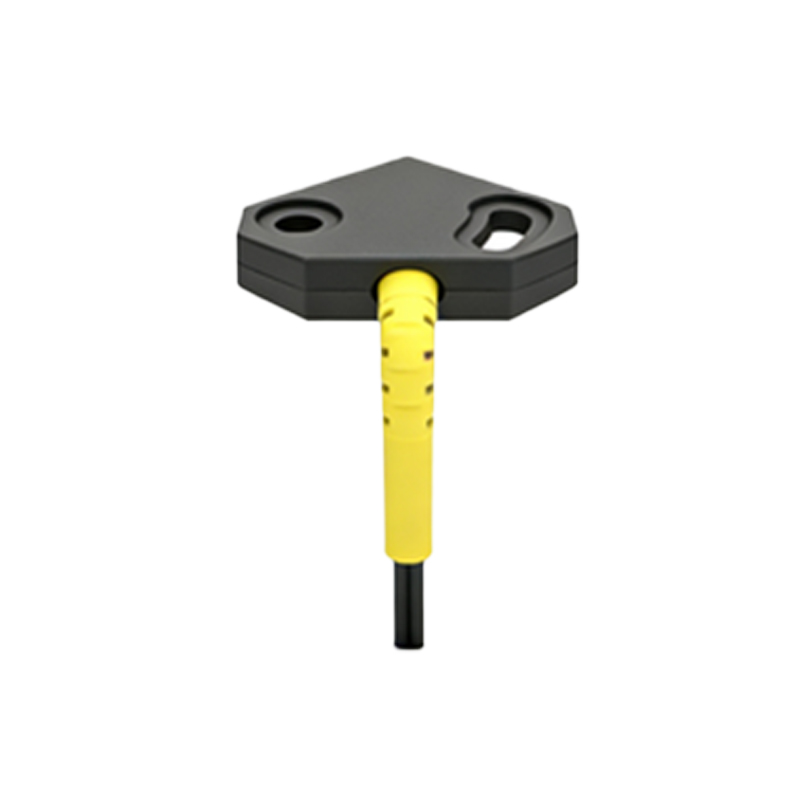
The applications are diverse and critical. One primary use is height sensing and auto-focusing. A sensor measures the distance to the workpiece surface, allowing the control system to dynamically adjust the laser focal point for optimal cutting or welding quality, especially on uneven surfaces. Another vital application is beam path monitoring and safety interlocking. Sensors can detect if the primary laser beam is correctly aligned within the internal optics or if a safety shutter is in place, preventing accidental exposure. Part presence detection ensures a workpiece is correctly positioned before firing the laser, preventing costly errors and material waste. In additive manufacturing (3D printing), photoelectric sensors are used for powder bed leveling and monitoring the recoater blade position.
Signal Processing and Interface with Control Systems
The raw signal from the photodetector is analog and requires conditioning. This involves amplification, filtering to remove noise, and often conversion to a digital signal via an analog-to-digital converter (ADC). Advanced sensors incorporate onboard microprocessors for digital signal processing (DSP), enabling features like background suppression (ignoring objects beyond a set distance) and programmable logic functions. The processed output is typically a digital switch signal (PNP/NPN) or an analog voltage/current (0-10V, 4-20mA) sent to the laser's Programmable Logic Controller (PLC) or CNC system. This integration forms a closed-loop control system, where sensor feedback continuously adjusts laser parameters like power, speed, and head position in real-time.
Maintenance, Calibration, and Troubleshooting
Regular maintenance is essential for sustained accuracy. The sensor's lens window must be kept clean from dust and contamination, which can attenuate the light signal. Periodic calibration is necessary, especially for analog measurement sensors, to ensure the output signal correctly corresponds to the physical parameter being measured. Common troubleshooting issues include signal drift due to temperature changes, misalignment from mechanical shock, or complete failure due to a damaged receiver from excessive overexposure to the laser beam. Engineers should monitor signal levels during routine checks and use diagnostic tools like oscilloscopes to analyze the sensor's output waveform. Understanding the specific failure modes helps in implementing predictive maintenance schedules.
Future Trends and Advancements
The evolution of photoelectric sensors for laser heads is driven by demands for higher precision, speed, and intelligence. Miniaturization allows for their integration into increasingly compact laser scanning heads. The adoption of CMOS and CCD array sensors enables not just single-point detection but also profile and contour measurement. Smart sensors with integrated IO-Link or other industrial communication protocols provide detailed diagnostic data and parameterization directly to the control network, facilitating Industry 4.0 connectivity. Furthermore, developments in materials for photodiodes are extending the usable wavelength range into deep UV and far-infrared, opening new applications in semiconductor processing and specialty material ablation.