Understanding Photoelectric Sensor Technology
Photoelectric sensors are fundamental components in modern industrial automation, utilizing light beams to detect the presence, absence, or distance of objects. Their operation hinges on an emitter, which projects a light beam (often infrared, visible red, or laser), and a receiver that senses the light. The three primary operating modes are through-beam, retro-reflective, and diffuse reflective. Through-beam sensors offer the longest sensing ranges and highest reliability, as the emitter and receiver are separate units. Retro-reflective types use a reflector to bounce the beam back to a combined emitter/receiver unit, providing a good balance of range and ease of installation. Diffuse reflective sensors detect light reflected directly from the target itself, making them compact and ideal for close-range applications. The choice of technology directly influences both performance and cost, with laser-based sensors typically commanding a premium for their precision and long range compared to standard LED-based units.
Key Factors Influencing Photoelectric Sensor Prices
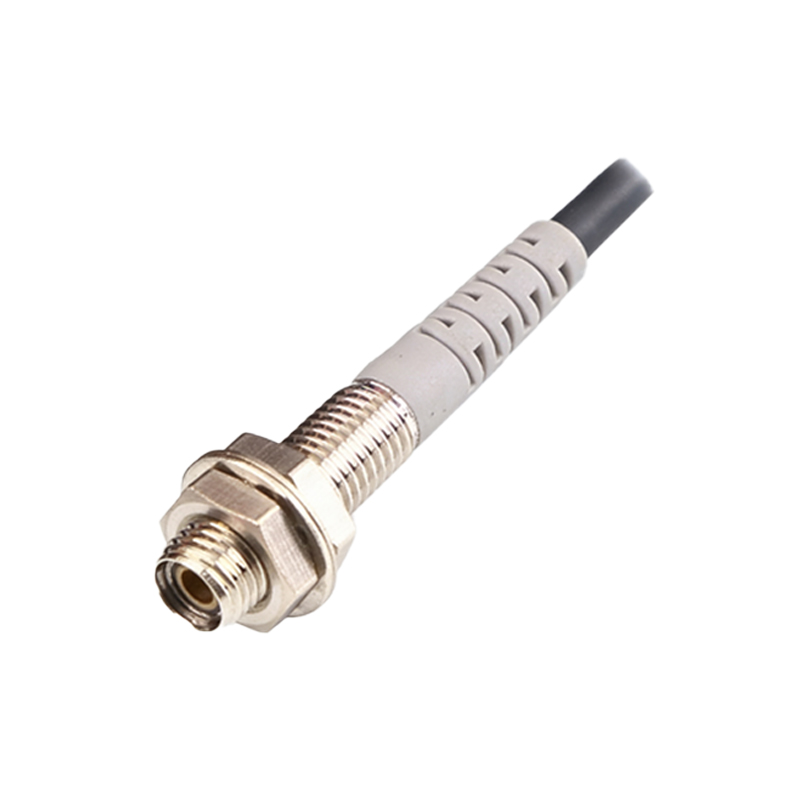
The price range for photoelectric sensors is broad, typically spanning from under $20 for basic models to several hundred dollars for specialized units. Several critical factors determine the final cost. Sensing range is a primary driver; a standard diffuse sensor with a 1-meter range is inexpensive, while a through-beam laser sensor with a 100-meter range is significantly more costly. The housing material and ingress protection (IP) rating are also crucial. A plastic-housed sensor with IP67 rating for dust and water resistance is standard for factory floors, but sensors requiring stainless steel housings and higher IP69K ratings for harsh washdown environments (e.g., food & beverage) carry a higher price tag. Additional features like built-in amplifiers, programmable logic, precise background suppression, or analog output for distance measurement all add to the complexity and cost. Brand reputation and global supply chain support also play a role, with established manufacturers like Omron, Sick, Keyence, and Banner Engineering often positioned in a higher price bracket due to proven reliability and technical support.
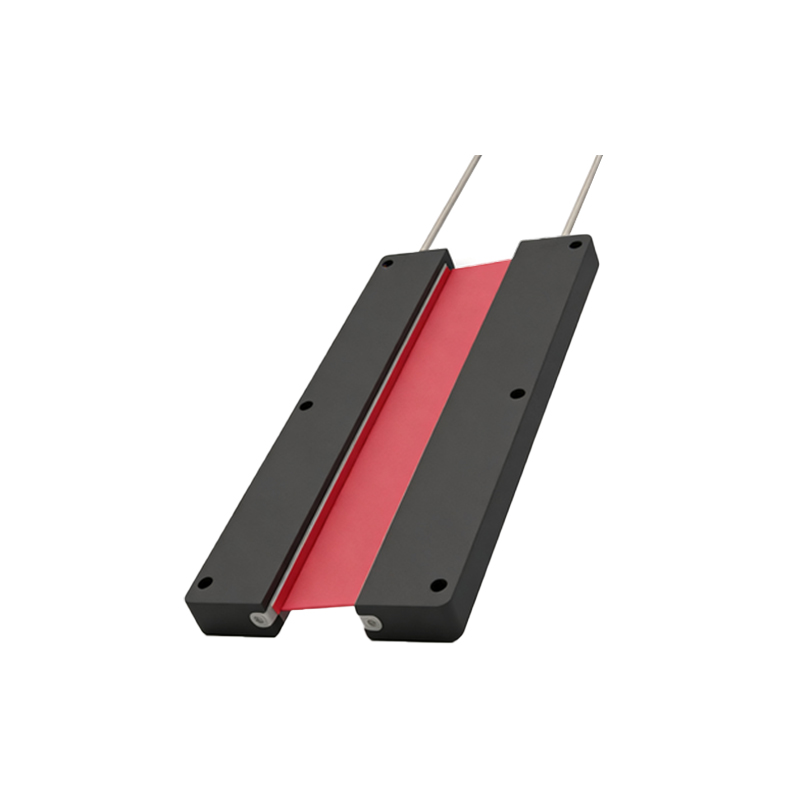
Visual Guide: Common Photoelectric Sensor Types and Form Factors
A visual inspection of a photoelectric sensor reveals much about its application. Cylindrical sensors, such as the common M12, M18, and M30 threaded barrels, are ubiquitous for their ease of installation and versatility. Images of these typically show a compact metal or plastic barrel with a lens at one end and a cable or connector at the other. Rectangular or block-style sensors offer larger sensing heads, often for longer ranges or specialized light patterns. Images of background suppression sensors might look similar to standard diffuse models but are distinguished in their specifications. Fiber optic sensors, which use separate fiber optic cables connected to an amplifier unit, present a unique image: a small, remote sensing tip connected via a flexible cable to a separate control box. This design allows for detection in extremely tight spaces or high-temperature areas. Online catalogs and supplier websites are invaluable resources for high-resolution images that detail mounting brackets, connector types, and status indicator LEDs, which are critical for installation planning.
Price Analysis and Market Positioning
In the current market, photoelectric sensors can be loosely categorized into three price tiers. The economy tier (approximately $15-$50) includes basic, no-frills sensors from a wide range of global manufacturers. These are often suitable for simple presence detection in benign environments. The mid-range tier ($50-$200) encompasses the majority of industrial-grade sensors. This tier offers robust construction (IP67), good sensing ranges, various output configurations (NPN/PNP, NO/NC), and sometimes basic programmability. Most applications in packaging, material handling, and assembly are served here. The high-performance tier ($200+) includes sensors with extended ranges, exceptional precision (e.g., for positioning), exotic housing materials, advanced diagnostics via IO-Link, and immunity to challenging environmental conditions like heavy dust or intense ambient light. When evaluating price, engineers must consider the total cost of ownership, which includes not just the unit price, but also installation time, maintenance downtime, and the cost of a potential failure in the production line.
Selecting the Right Sensor: Balancing Cost and Performance
The selection process is a systematic trade-off between technical requirements and budget. First, clearly define the application: what is the target material, color, and size? What is the required sensing distance and response time? What are the environmental conditions (dust, moisture, temperature, vibration)? For a simple task like detecting a cardboard box on a conveyor, an inexpensive diffuse reflective sensor will suffice. For detecting a clear glass bottle, a polarized retro-reflective sensor, though more costly, is necessary to avoid false triggers. For precise height detection or small part positioning, a background suppression or laser sensor is required, representing a higher investment. Consulting detailed datasheets and requesting sample units for testing are standard practices. Leveraging online image galleries and configuration tools provided by major suppliers can help visualize the sensor in the intended setup before purchase, preventing costly mismatches.
Future Trends and Cost Trajectories
The photoelectric sensor market continues to evolve, with trends impacting future prices and capabilities. The integration of IO-Link communication is becoming increasingly standard, even in mid-range sensors. This "smart sensor" capability allows for parameter setting, condition monitoring, and easier troubleshooting, adding value but also a marginal cost increase. Miniaturization is another trend, enabling sensors for compact machinery and robotics. While R&D for these advanced features is costly, economies of scale in manufacturing are helping to stabilize or even reduce prices for standard models. Furthermore, the growth of competitive manufacturers, particularly in Asia, is applying downward pressure on prices in the economy and mid-range segments, offering engineers more choices. However, for critical applications demanding maximum reliability and support, the investment in premium-brand sensors is likely to remain justified, with prices reflecting continuous innovation in sensing technology and durability.