Introduction to 3-Wire Unshielded Proximity Sensors
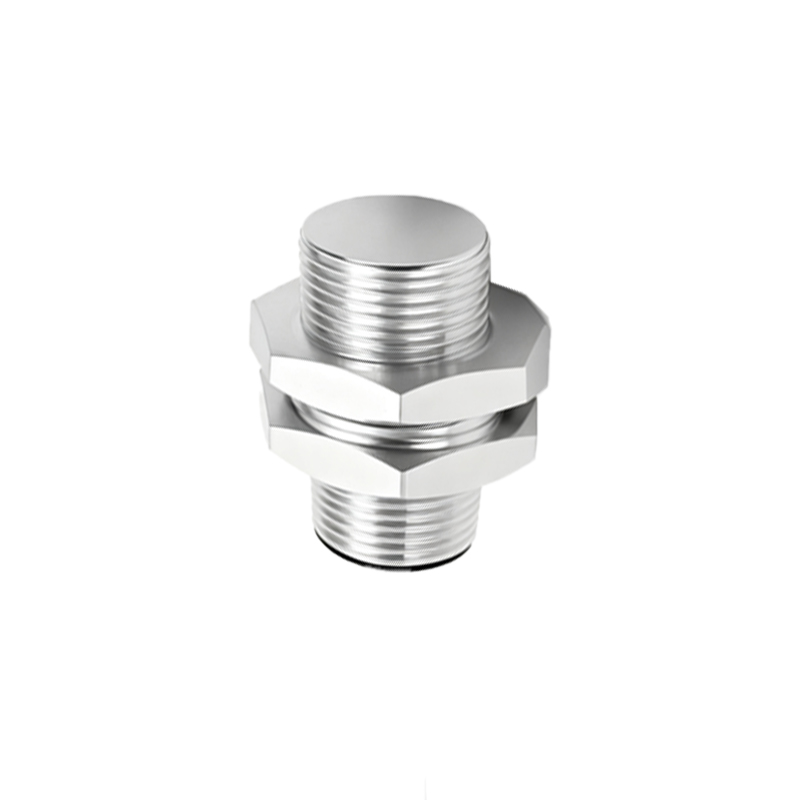
Proximity switch sensors are fundamental components in industrial automation, providing non-contact detection of metallic objects. Among the various configurations, the 3-wire unshielded variant represents a common and versatile choice. Unlike shielded sensors, which have a metallic ring surrounding the sensing face to restrict the magnetic field, unshielded sensors feature an exposed sensing coil. This design allows for a larger, more extended sensing range from the sides of the sensor, offering greater installation flexibility. The 3-wire system typically includes wires for power supply (brown), ground (blue), and a switched output signal (black). This configuration is standard for both NPN (sinking) and PNP (sourcing) output types, which determine how the load is connected to the control system.
Core Operating Principle and Electrical Characteristics
The operation is based on the principle of electromagnetic induction. An oscillator circuit within the sensor generates a high-frequency electromagnetic field at its active face. When a metallic target enters this field, eddy currents are induced in the target. These currents absorb energy from the oscillator, causing its amplitude to decrease. A detection circuit monitors this change and triggers a solid-state switch (the output transistor) to change state. For a 3-wire DC sensor, the output is a switched DC voltage. Key electrical specifications include the operating voltage range (commonly 10-30V DC), current consumption, and the rated switching current of the output transistor. The absence of shielding means the sensor's magnetic field is less contained, which is a critical factor during installation to prevent unintended actuation.
Advantages of the Unshielded Design
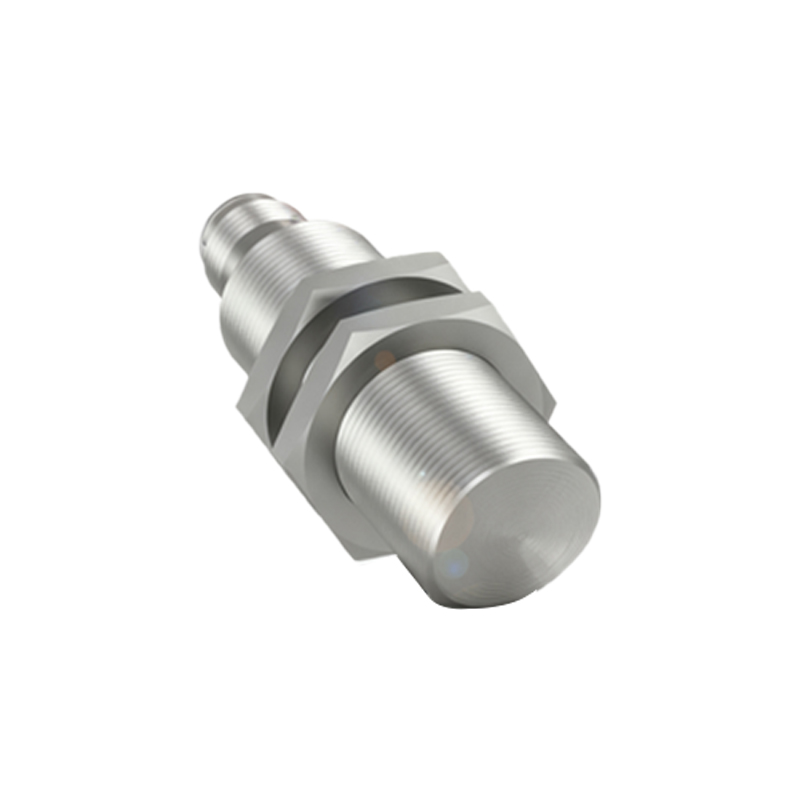
The primary advantage of an unshielded proximity sensor is its extended lateral sensing capability. This allows for detection of targets that may not approach directly head-on, enabling more creative mounting solutions and detection scenarios. They are often more cost-effective than their shielded counterparts. The larger sensing field can also be beneficial for detecting smaller or non-ferrous metals like aluminum or copper, though the sensing distance for these materials is typically reduced compared to steel. Their simpler mechanical construction can contribute to robustness in certain non-congested environments.
Critical Installation and Mounting Considerations
Installation of unshielded sensors requires careful planning due to their expansive sensing field. A key rule is to maintain sufficient clearance from surrounding metal objects, including the mounting bracket, machine frame, or other sensors. Manufacturer datasheets provide specific minimum non-metallic side and flush-mounting distances. Failure to observe these distances can lead to false triggering, reduced sensing range, or even permanent damage. When mounting in metal, a non-metallic spacer or bracket is often necessary. Additionally, sensors should be positioned to avoid accumulation of metallic chips or dust on the sensing face, which can degrade performance.
Wiring Configuration and Output Types
Correct wiring is essential for reliable operation. The standard color code for 3-wire DC sensors is brown (+V), blue (0V / Ground), and black (Output). The functionality depends on the output type: PNP or NPN. A PNP sensor switches the positive voltage to the load; the black wire provides +V when active. An NPN sensor switches the ground connection; the black wire provides a path to 0V when active. The choice between PNP and NPN must match the input circuit of the controller (PLC, relay module). It is crucial to connect a protective load, such as a fuse or a suppressor module, in series to guard against surge currents and inductive kickback from loads like solenoids or relays.
Common Applications in Industrial Settings
3-wire unshielded proximity sensors find widespread use across industries. Typical applications include position sensing on conveyor lines (detecting the presence of metal parts or pallets), end-of-travel detection on actuators and cylinders, rotary speed sensing via a gear tooth or key on a shaft, and part counting in assembly machines. Their robustness makes them suitable for harsh environments, though the sensing face should be kept clean. They are particularly useful in applications where side detection is required or where space constraints prevent the use of a larger shielded sensor to achieve the necessary range.
Troubleshooting and Maintenance Best Practices
Common issues include failure to detect, constant activation, or shortened sensing range. A systematic approach to troubleshooting begins with verifying power supply voltage and polarity at the sensor terminals. Next, check the output state with a multimeter or indicator while introducing a target. Ensure the target material and size meet the sensor's specifications. Inspect for physical damage, contamination on the sensing face, or the presence of nearby metal