Introduction to Flat Proximity Sensors
Flat proximity sensors, also known as flush-mountable sensors, are specialized devices designed for seamless integration into machinery and equipment. Unlike standard sensors that protrude, these sensors can be mounted flush with surrounding surfaces, minimizing the risk of physical damage and allowing installation in tight spaces. They operate on various principles, including inductive, capacitive, and magnetic sensing, to detect the presence or absence of objects without physical contact. Widely used in industrial automation, flat proximity sensors enhance reliability and safety in applications ranging from assembly lines to robotic systems. Their low-profile design makes them ideal for environments where space constraints or potential impacts are concerns, ensuring consistent performance in demanding conditions.
Inductive Flat Proximity Sensors

Inductive flat proximity sensors are among the most common types, primarily used for detecting metallic objects. These sensors generate an electromagnetic field and sense changes caused by conductive materials, such as steel, aluminum, or copper. Key features include high switching frequencies, resistance to environmental factors like dust and moisture, and precise detection ranges, typically up to a few millimeters. Applications include position sensing in CNC machines, part counting in conveyor systems, and safety interlocks in automated equipment. Their flush-mount capability allows them to be embedded in metal surfaces without interfering with moving parts, reducing wear and tear. Advanced models offer adjustable sensitivity and temperature compensation for stable operation in varied industrial settings.
Capacitive Flat Proximity Sensors
Capacitive flat proximity sensors detect both metallic and non-metallic objects by measuring changes in capacitance. They are versatile tools for sensing materials like plastics, liquids, glass, and wood. These sensors create an electrostatic field and respond to the dielectric properties of target objects, making them suitable for level detection in tanks, packaging inspection, and material handling. Their flat design enables installation on non-metallic surfaces, such as plastic hoppers or glass panels, without affecting functionality. With features like adjustable sensing ranges and immunity to contamination, capacitive sensors excel in industries like food processing, pharmaceuticals, and automotive manufacturing. However, they may require calibration to avoid false triggers from environmental humidity or material variations.
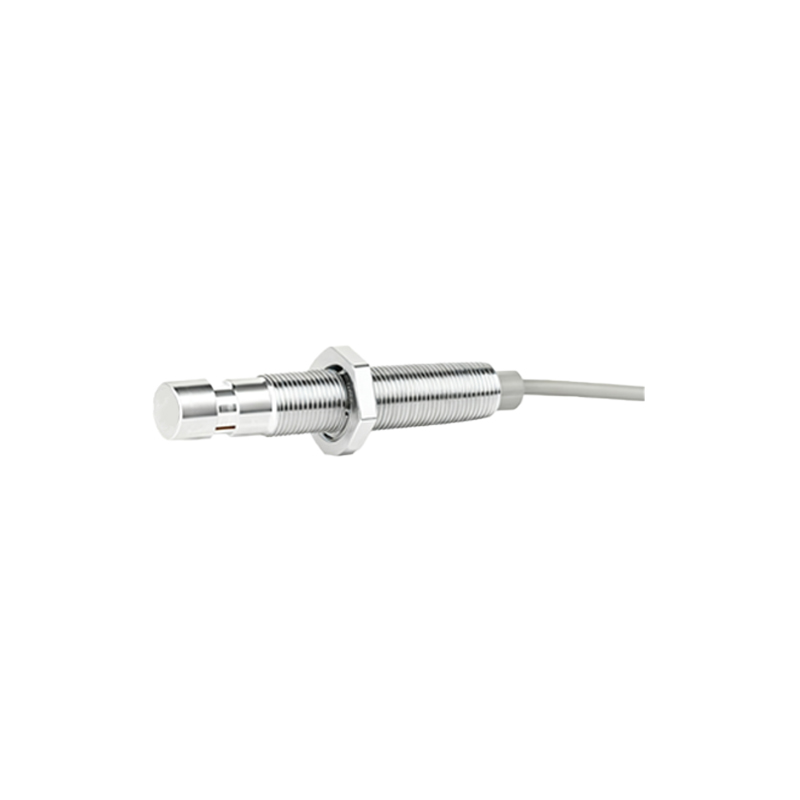
Magnetic Flat Proximity Sensors
Magnetic flat proximity sensors, often referred to as reed or Hall-effect sensors, detect magnetic fields generated by permanent magnets or electromagnets. They are commonly used for position sensing in cylinders, valve actuation, and door closure systems. These sensors offer high reliability with no moving parts, ensuring long service life in harsh conditions like extreme temperatures or vibrations. The flush-mount version can be installed within metallic housings, providing protection against mechanical shocks. Applications include automotive braking systems, hydraulic controls, and safety switches in machinery. Their simple design and low power consumption make them cost-effective solutions for repetitive tasks, though they are limited to use with magnetized targets.
Ultrasonic Flat Proximity Sensors
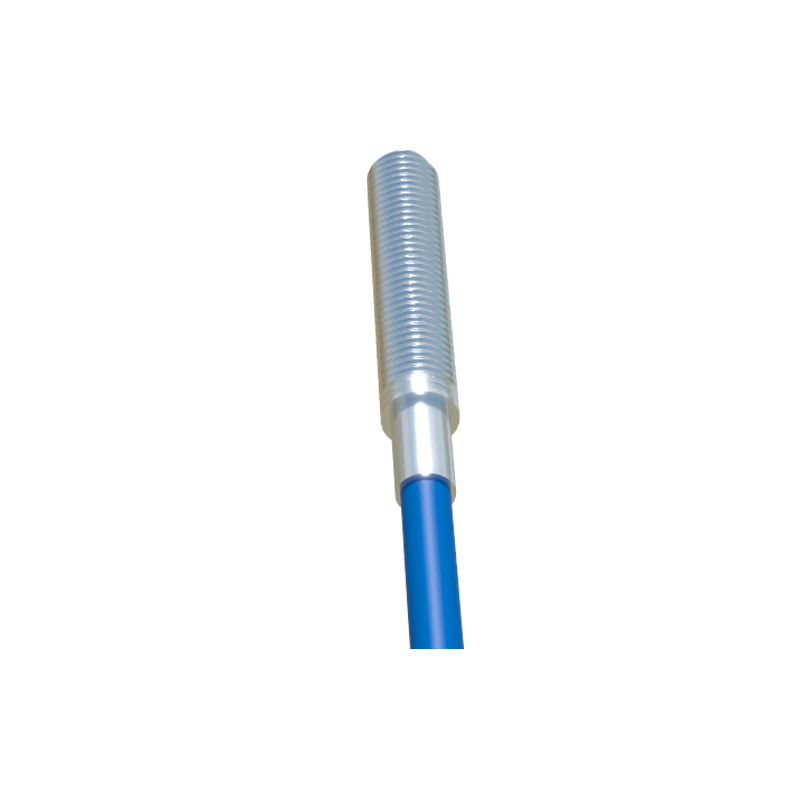
Ultrasonic flat proximity sensors utilize sound waves to detect objects, measuring the time delay of reflected signals. They are effective for sensing a wide range of materials, regardless of color or transparency, and can operate in challenging environments with dust, smoke, or light interference. These sensors are often used in distance measurement, object profiling, and liquid level control. The flat variant is designed with a smooth surface to prevent residue buildup, ideal for sanitary applications in the chemical or beverage industries. While offering longer detection ranges compared to inductive or capacitive types, ultrasonic sensors may be affected by temperature fluctuations or acoustic noise, requiring careful installation and calibration.
Key Applications in Industrial Automation
Flat proximity sensors play a critical role in modern industrial automation by enabling non-contact detection in compact spaces. In robotics, they ensure precise end-effector positioning and collision avoidance. On assembly lines, they monitor part presence and orientation, improving quality control. Automotive manufacturing relies on them for weld seam tracking and component verification. Additionally, they enhance safety in machinery by providing tamper-proof monitoring of guards and access points. Their durability and minimal maintenance needs reduce downtime, contributing to efficient production processes. Industries such as packaging, material handling, and aerospace benefit from their adaptability to diverse operational demands.
Selection Criteria and Installation Tips
Choosing the right flat proximity sensor involves considering factors like sensing range, target material, environmental conditions, and output type (e.g., PNP, NPN, analog). For metallic detection in dirty environments, inductive sensors are preferred, while capacitive sensors suit non-metallic applications. Installation requires ensuring the sensor is flush-mounted without gaps to prevent false readings or damage. Proper shielding from electromagnetic interference and adherence to manufacturer guidelines for voltage and temperature limits are essential. Regular testing and calibration help maintain accuracy, especially in high-v