Understanding Photoelectric Sensor Technology
In the realm of industrial automation, photoelectric sensors are indispensable components for detection, positioning, and quality control. These devices operate by emitting a beam of light, typically from an LED or laser diode, and detecting changes in the received light signal caused by the presence or absence of a target object. The core principle hinges on the interaction between light and the target, which can involve reflection, interruption, or retro-reflection. The choice of sensing mode—diffuse, through-beam, or retro-reflective—fundamentally dictates the sensor's application range, accuracy, and environmental robustness. A thorough grasp of these operating principles is the essential first step in evaluating and comparing different sensor models for specific industrial tasks, from packaging lines to material handling and robotic guidance systems.
Key Performance Metrics for Evaluation
When ranking photoelectric sensors, several critical performance parameters must be scrutinized. Sensing range stands paramount; it defines the maximum reliable distance for object detection. For long-range applications, laser-based sensors often outperform standard LED types. Response time, measured in milliseconds or microseconds, determines how quickly the sensor can signal a detection event, crucial for high-speed production lines. Environmental resistance is another vital metric, encompassing factors like ingress protection (IP) ratings for dust and water, temperature tolerance, and resistance to ambient light interference or electrical noise. Finally, output configuration (NPN/PNP, analog, or IO-Link) and housing design (cylindrical, rectangular, or slot-style) significantly impact integration ease and application suitability.
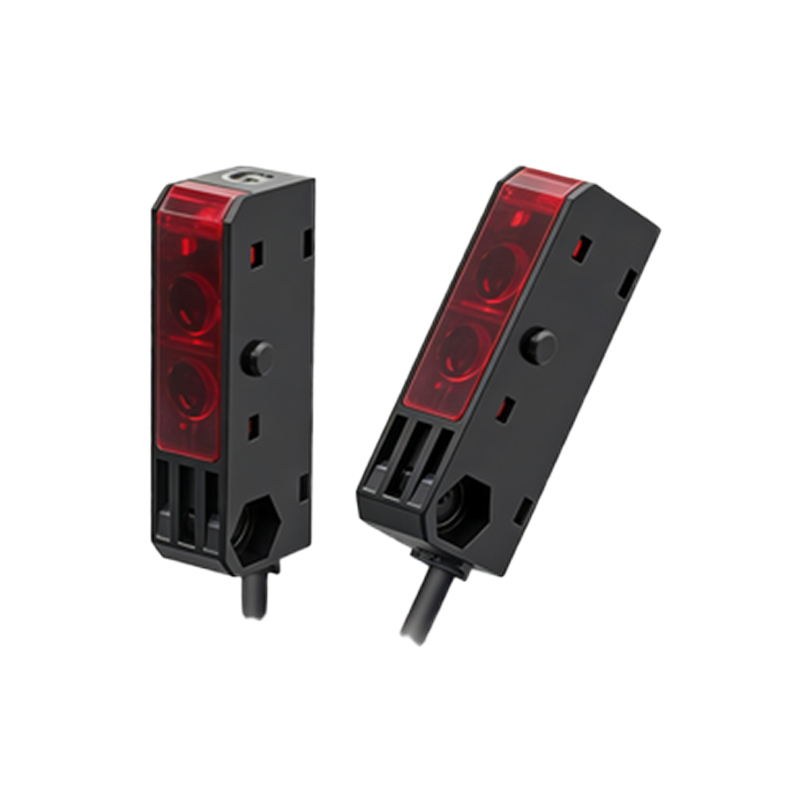
Top Contender: High-Speed Through-Beam Sensors
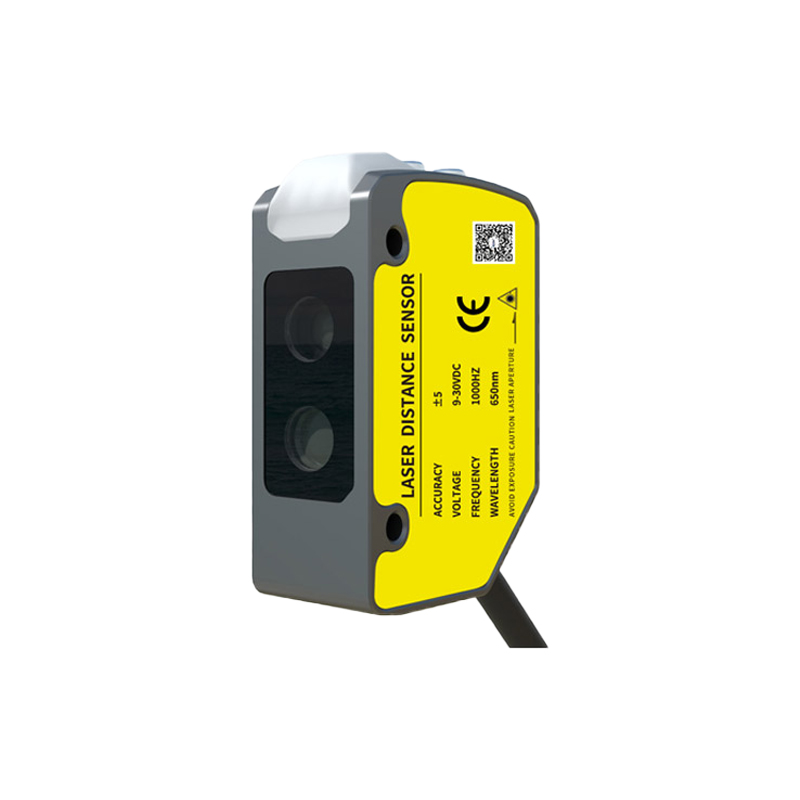
For applications demanding extreme speed and reliability, through-beam sensors consistently rank at the top. In this configuration, the emitter and receiver are separate units placed opposite each other. An object is detected when it interrupts the light beam. This method offers the longest sensing ranges and highest immunity to target color, reflectivity, or surface angle. Brands like Banner Engineering, Keyence, and Sick AG produce exemplary models with sensing distances exceeding 100 meters for laser types. They are the undisputed champions in high-speed bottling, web break detection, and precise part counting where even minute objects must be detected without fail. Their primary limitation is the need for precise alignment and installation of two separate components.
The Versatile Performer: Diffuse Reflective Sensors
Diffuse sensors, which house both the emitter and receiver in a single unit, offer unparalleled versatility and ease of installation. They detect an object when light reflected from its surface returns to the receiver. Modern background suppression (BGS) and foreground suppression (FGS) variants can reliably detect objects at a set distance while ignoring backgrounds or foregrounds, a significant advancement. Manufacturers such as Omron, Pepperl+Fuchs, and Allen-Bradley (Rockwell Automation) excel in this category. These sensors dominate in applications like pallet presence detection, conveyor jam prevention, and fill-level control. Their ranking is high for general-purpose use, though their effective range is shorter than through-beam models, and performance can be influenced by target color and texture.
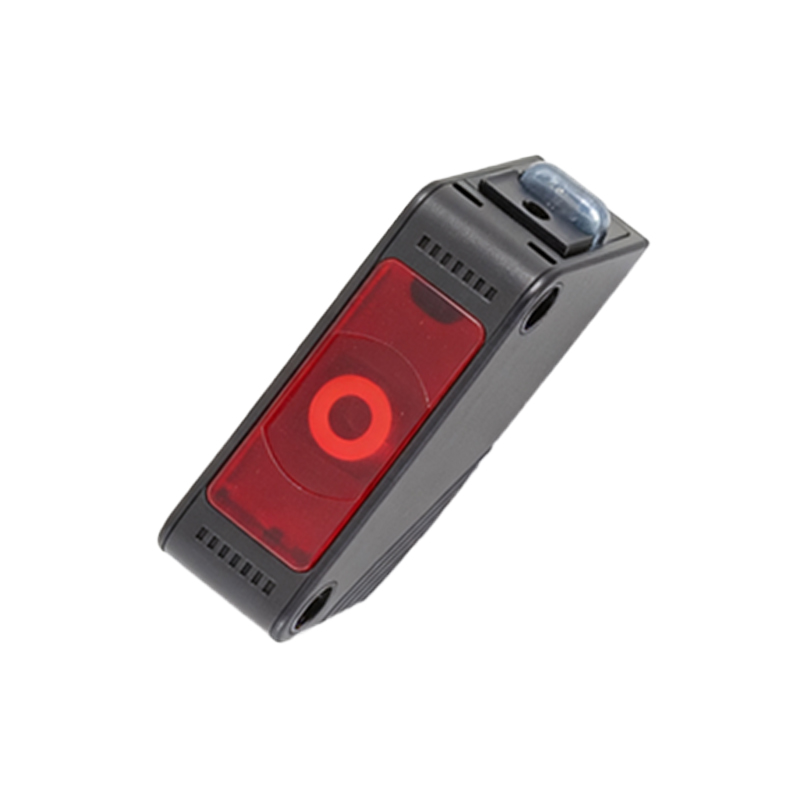
Specialized Champions: Color & Contrast Sensors
Moving beyond simple presence detection, specialized photoelectric sensors designed for color recognition and contrast differentiation hold a top ranking in niche but critical applications. Color sensors evaluate the RGB components of reflected light to distinguish between colors, essential in automotive part sorting or pharmaceutical packaging verification. Contrast sensors, on the other hand, detect minute differences in grayscale or contrast, making them ideal for reading registration marks on labels or verifying print quality. Companies like Keyence and SICK offer highly sophisticated models in this segment. Their advanced optics and processing algorithms place them at the pinnacle for precision tasks, though they come at a higher cost and require more complex setup and programming.
Endurance Leaders: Harsh Environment Sensors
In industries like metalworking, forestry, or food and beverage, sensors face extreme conditions including washdowns, metal shavings, steam, and corrosive chemicals. For these environments, ruggedized photoelectric sensors claim the top ranking for durability. These units feature fully sealed stainless steel or high-grade polymer housings, often with IP69K ratings for high-pressure, high-temperature cleaning. Brands like Balluff, ifm efector, and Turck are renowned for their robust designs. They incorporate special lenses resistant to coating and coatings that repel oils. While their core sensing performance might match standard models, their unparalleled ability to maintain functionality in punishing conditions makes them the definitive choice for harsh-duty applications, ensuring longevity and reduced downtime.
Connectivity & Smart Sensor Innovations
The modern ranking of photoelectric sensors is increasingly influenced by connectivity and diagnostic capabilities. IO-Link, a point-to-point serial communication protocol, has become a game-changer. Sensors with IO-Link functionality not only provide switch signals but also transmit rich parameter data (e.g., signal strength, operating temperature) and allow for remote configuration and monitoring. This predictive maintenance capability elevates their strategic value. Major players across all brands are now integrating IO-Link into their mid-to-high-end models. Furthermore, sensors with built-in logic functions (like timers or counters) and advanced diagnostics (such as teach-in functions via a button or software) rank highly for reducing machine setup time and complexity, representing the intelligent future of photoelectric sensing.