Introduction to Locking Washers in Sensor Applications
Locking washers are critical components in securing proximity sensors within industrial environments. These small but essential hardware pieces prevent the unintended loosening of sensor mounts due to vibrations, thermal cycling, or mechanical stresses. Proximity sensors, which detect the presence or absence of objects without physical contact, are often installed in high-motion machinery, conveyor systems, or robotic arms. Without proper fastening, sensor misalignment can occur, leading to inaccurate readings, production downtime, or safety hazards. Locking washers, such as split washers, star washers, or nylon-insert lock washers, provide a reliable solution by maintaining consistent torque and clamp force. Understanding their correct usage ensures sensor longevity and operational reliability, making them indispensable in automation and control systems.
Types of Locking Washers for Proximity Sensors
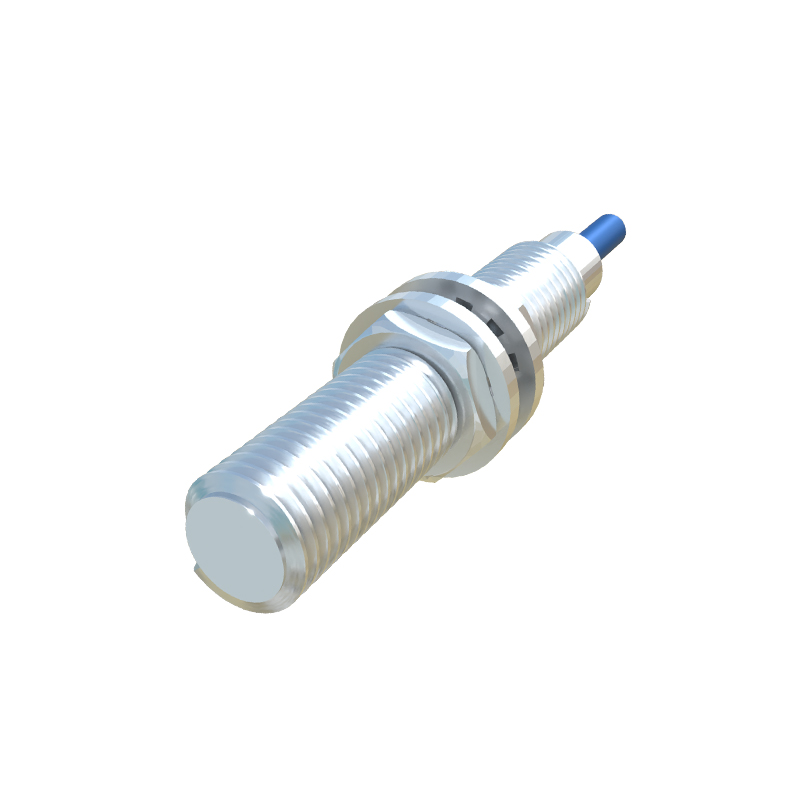
Several types of locking washers are suitable for proximity sensor installations, each with distinct advantages. Split lock washers, also known as helical spring washers, are common and cost-effective; they create tension by flattening under torque, resisting rotation. Star washers, with internal or external teeth, bite into both the sensor mount and surface, offering superior resistance to loosening in high-vibration settings. Nylon-insert lock washers incorporate a nylon ring that adds friction to the threads, ideal for applications where reusability is needed. For corrosive environments, stainless steel or coated washers are recommended to prevent degradation. The choice depends on factors like sensor size, mounting material (e.g., metal or plastic), and environmental conditions. Always refer to the sensor manufacturer's guidelines to select the appropriate washer type for optimal performance.
Step-by-Step Installation Process
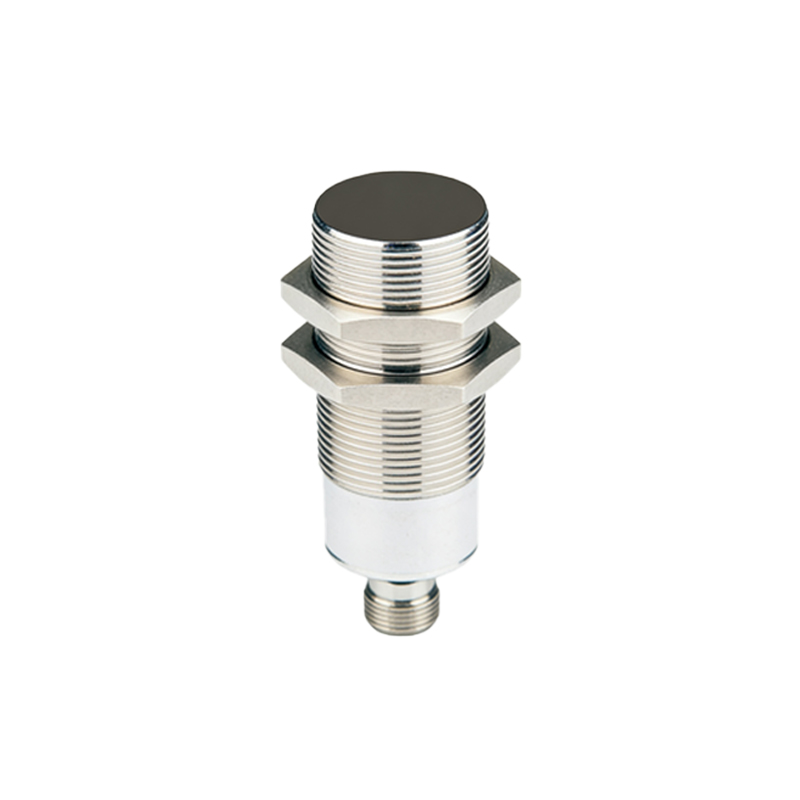
Proper installation of locking washers with proximity sensors involves a systematic approach to ensure secure mounting. First, gather the necessary tools: a compatible wrench or socket, torque wrench (if specified), and the correct washer type. Begin by cleaning the mounting surface and sensor threads to remove debris that could affect tightness. Place the locking washer directly under the sensor's nut or bolt head, ensuring it sits flat against the surface. If using a star washer, orient the teeth to engage both components. Thread the bolt through the sensor's mounting hole and into the target surface, hand-tightening initially to avoid cross-threading. Apply gradual torque with a wrench until the washer compresses appropriately—avoid over-tightening, which can damage the sensor housing or strip threads. For critical applications, use a torque wrench to achieve the manufacturer-recommended torque value, typically listed in sensor documentation. Finally, perform a visual inspection to confirm the washer is seated correctly and the sensor is aligned as intended.
Common Mistakes and Troubleshooting Tips
Errors in using locking washers can compromise sensor functionality. A frequent mistake is omitting the washer entirely, relying solely on standard nuts or bolts, which often leads to loosening over time. Another issue is using the wrong washer type; for instance, a split washer may not suffice in extreme vibration scenarios, requiring an upgrade to a star washer. Over-tightening is also problematic, as it can deform the washer, reduce its locking ability, or crack the sensor casing. If a sensor becomes loose after installation, check for washer wear or improper sizing—replace it if teeth are flattened or the spring tension is lost. In cases of persistent loosening, consider adding thread-locking adhesive alongside the washer for extra security. Regular maintenance inspections should include verifying washer condition and retightening as needed, especially after equipment servicing or environmental changes.
Best Practices for Maintenance and Safety
Maintaining proximity sensors with locking washers involves routine checks and adherence to safety protocols. Schedule periodic inspections, such as during machine downtime, to assess washer integrity and sensor alignment. Look for signs of corrosion, fatigue, or damage, and replace washers if any deterioration is noted. Keep a log of torque settings and installation dates to track performance over time. Safety-wise, always de-energize equipment before inspecting or adjusting sensors to prevent electrical hazards. Use personal protective equipment, like gloves and goggles, when handling sharp washer edges or working in dusty environments. Additionally, train personnel on proper installation techniques to avoid common pitfalls. By integrating these practices, you can enhance system reliability, reduce failure rates, and ensure compliance with industry standards like ISO or ANSI for mechanical fastening.
Conclusion and Industry Recommendations
In summary, locking washers play a vital role in securing proximity sensors, safeguarding against operational disruptions in industrial settings. Their correct selection and installation are key to maximizing sensor accuracy and lifespan. Industry experts recommend consulting sensor manuals for specific washer requirements and testing setups