Introduction to Photoelectric Sensing Technology
Photoelectric sensors are indispensable components in modern industrial automation, offering non-contact detection of objects based on the modulation of light. Their operation hinges on a fundamental principle: a light emitter sends a beam, and a receiver detects changes in this beam caused by the presence, absence, or specific characteristics of a target object. The versatility, reliability, and precision of these sensors have cemented their role across diverse sectors, from intricate assembly lines and robust packaging machinery to sophisticated security systems and consumer electronics. Understanding the distinct operational modes is crucial for selecting the optimal sensor for any given application, ensuring maximum efficiency, accuracy, and system longevity.
Through-Beam Sensors (Opposed Mode)
Through-beam sensors, often considered the most robust type, consist of two separate units: a transmitter and a receiver positioned directly opposite each other. The transmitter continuously emits a light beam, which is received by the counterpart unit. Detection occurs when an object physically interrupts this beam, causing the receiver's signal to drop. This mode offers the longest sensing ranges, often exceeding 10 meters, and demonstrates high immunity to environmental factors like dust, dirt, or target object color and surface finish. Its primary drawback is the need for precise alignment of two separate components and the associated wiring complexity. Typical applications include object counting on high-speed conveyors, break detection in material handling, and safety curtains on large machinery where reliable beam interruption is paramount.
Retroreflective Sensors
Retroreflective sensors combine the emitter and receiver into a single housing, simplifying installation. They operate by projecting a light beam towards a specially designed reflector, often a corner-cube prism, which returns the beam directly to the receiver. Detection is triggered when an object passes between the sensor and the reflector, blocking the reflected beam. This design offers a good balance between sensing distance (typically up to 5-10 meters) and installation convenience, as only one device needs wiring and mounting. A key consideration is the potential for false triggers from shiny objects that might reflect light back to the sensor. Many models incorporate polarization filters to mitigate this, ensuring they only recognize light reflected from the genuine retroreflector. These sensors are widely used in automatic doors, palletizing systems, and medium-range object detection.
Diffuse Reflective Sensors (Proximity Mode)
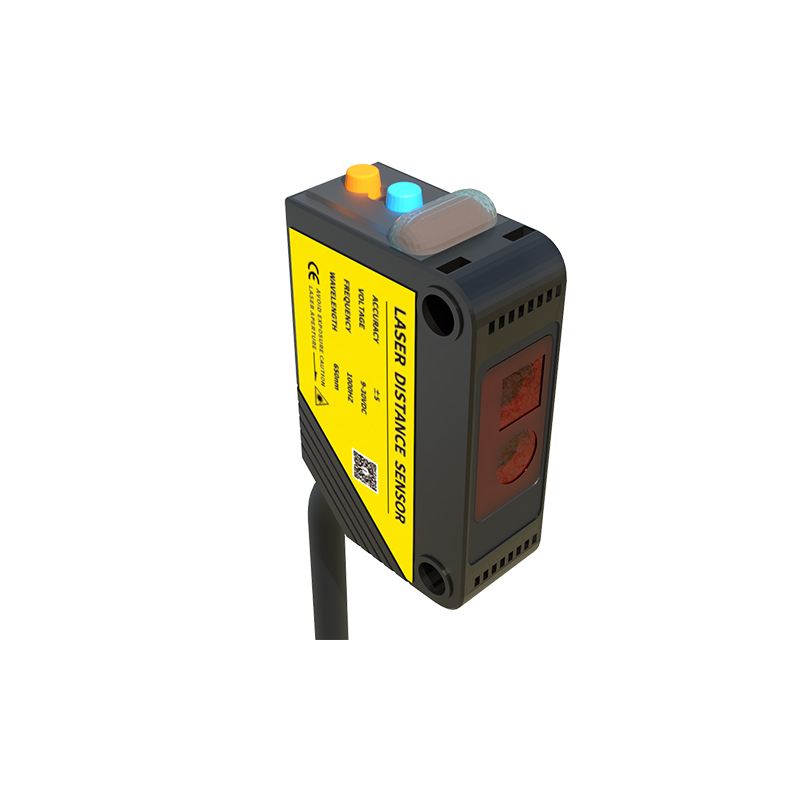
Diffuse reflective sensors are the most compact and easiest to install, as both emitter and receiver are in one unit and no separate reflector is required. The sensor detects an object by receiving the light diffusely reflected from the object's own surface. The effective sensing range is the shortest among the three main types, heavily dependent on the target's size, color, and texture—light-colored, matte surfaces reflect better than dark, glossy ones. Advanced versions, known as background suppression or fixed-field sensors, use triangulation or other optical techniques to define a precise sensing window, ignoring objects beyond a set distance. This makes them ideal for applications requiring precise positioning, such as detecting objects on a conveyor regardless of the conveyor belt color, or in robotic pick-and-place operations where distance to the target is critical.
Specialized Photoelectric Sensor Variants
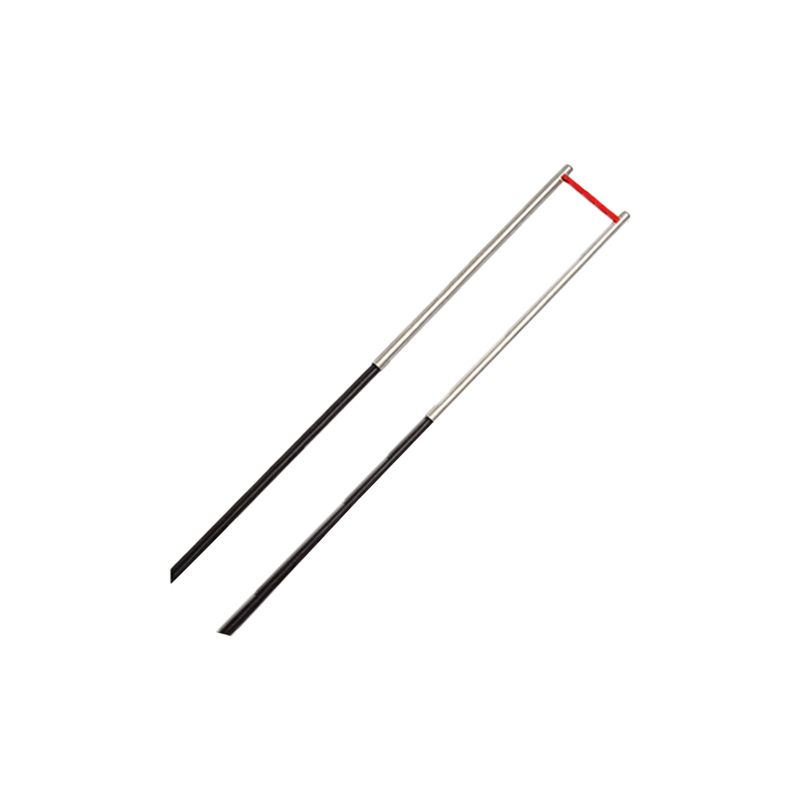
Beyond the core trio, specialized photoelectric sensors address niche requirements. Fiber-optic sensors utilize flexible light guides to deliver and collect light, allowing the amplifier unit to be remotely located in harsh environments (extreme temperatures, corrosive atmospheres) while the small sensing head fits into tight spaces. Color sensors differentiate between colors by analyzing the reflected light's wavelength, essential in sorting and quality control. Luminescence sensors detect the presence of specific materials, like adhesives or labels, that fluoresce under UV light. Contrast sensors are optimized to detect the difference in contrast between a mark and its background, crucial in printing and labeling applications. Each variant expands the technology's applicability, solving unique industrial challenges.
Selection Criteria and Application Mapping
Choosing the correct photoelectric sensor requires a systematic evaluation of the application parameters. Key factors include required sensing distance, target object characteristics (size, material, color, surface), environmental conditions (ambient light, dust, moisture, temperature), required response speed, and electrical output type (PNP/NPN, analog, IO-Link). A through-beam sensor is optimal for long-range, reliable detection in dirty environments. A retroreflective sensor suits applications needing moderate range with simpler wiring. A diffuse sensor with background suppression is perfect for short-range, precise proximity sensing on variable backgrounds. Consulting a detailed classification chart that maps these sensor types against operational parameters is an essential step in the design and troubleshooting phases, ensuring robust system integration and minimizing downtime.
Conclusion and Industry Outlook
The landscape of photoelectric sensing continues to evolve with advancements in technology. The integration of IO-Link communication enables detailed parameter setting, condition monitoring, and predictive maintenance from the control level. Miniaturization trends allow sensors to fit into increasingly compact machinery. Enhanced algorithms improve immunity to challenging environmental conditions and target variations. A clear understanding of the fundamental classification—through-beam, retroreflective, and diffuse—provides a solid foundation. By leveraging specialized variants and carefully matching sensor capabilities to application demands, engineers can design more intelligent, efficient, and resilient automated systems. The photoelectric sensor remains a cornerstone of industrial sensing, its utility continually expanding through innovation.