Introduction to Normally Closed Photoelectric Sensors
In industrial automation, photoelectric sensors play a critical role in detecting the presence, absence, or position of objects without physical contact. Among the various configurations, normally closed (NC) photoelectric sensors are a fundamental type that operates with a specific logic state when no target is present. Unlike normally open (NO) sensors, which remain inactive until an object is detected, NC sensors are designed to maintain a closed circuit under normal conditions—meaning the output is active when the sensing path is unobstructed. This characteristic makes them ideal for safety-critical applications, such as monitoring machine guards or ensuring material flow continuity, where a break in the sensing beam should trigger an immediate response. Engineers often select NC sensors based on factors like environmental robustness, response time, and compatibility with control systems, ensuring reliable operation in harsh settings like manufacturing lines or packaging facilities.
Operating Principles and Circuit Design
Normally closed photoelectric sensors function by emitting a light beam—typically infrared, visible, or laser—from a transmitter to a receiver. When the beam is uninterrupted, the sensor's output circuit remains closed, allowing current to flow and signaling a "normal" state to the connected controller, such as a PLC. If an object interrupts the beam, the circuit opens, causing the output to deactivate and sending a signal to halt or adjust the machinery. This fail-safe design is crucial in scenarios where sensor failure could lead to hazardous conditions; for instance, if a sensor malfunctions, the NC configuration often defaults to an open circuit, prompting a shutdown. The internal circuitry includes components like amplifiers, switches, and protective elements to handle voltage fluctuations, ensuring durability in industrial environments with electrical noise or temperature extremes.
Key Applications in Industrial Settings
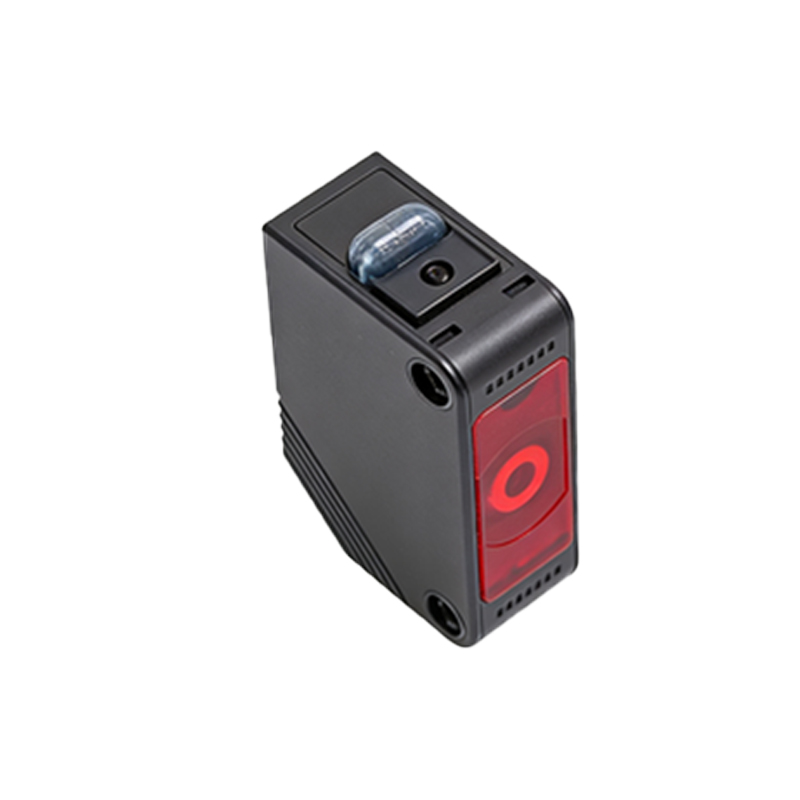
Normally closed photoelectric sensors are widely deployed across industries for tasks requiring high reliability and safety. In conveyor systems, they monitor product flow by detecting gaps or jams—if the beam is broken, the system can stop to prevent damage. For machine safety, NC sensors are integrated into light curtains or barrier systems to protect workers; any intrusion opens the circuit and immediately stops equipment. Additionally, in packaging and sorting lines, these sensors verify object presence for accurate counting or positioning, with the NC logic ensuring that a missing item triggers an alert. Their use extends to automotive assembly, where they confirm part placement, and in pharmaceutical manufacturing, where sterile conditions demand non-contact detection. By providing a constant monitoring state, NC sensors enhance operational efficiency while minimizing downtime and risks.
Advantages Over Normally Open Sensors
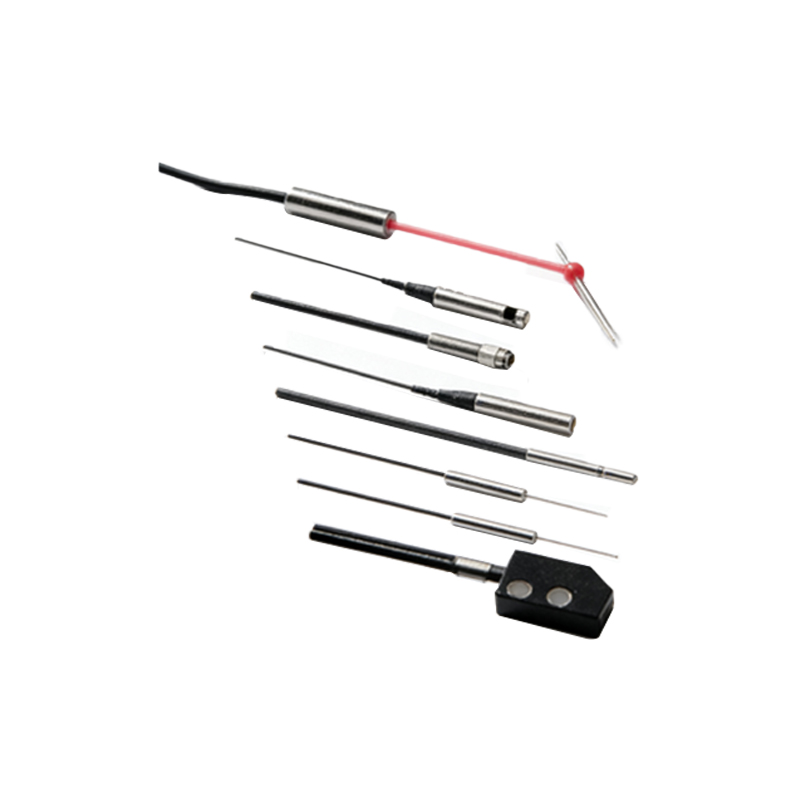
Choosing normally closed photoelectric sensors offers distinct benefits in specific contexts. Their inherent fail-safe nature is a primary advantage: since the circuit closes under normal conditions, any disruption—whether from an object, dirt accumulation, or power loss—causes an immediate response, reducing the chance of undetected faults. This makes NC sensors preferable for emergency stop functions or critical monitoring where false negatives could be costly. In terms of wiring and integration, they can simplify control logic by aligning with safety protocols that require active signals during routine operation. However, engineers must weigh these against potential drawbacks, such as higher energy consumption in standby mode or the need for regular maintenance to ensure beam integrity. Compared to NO sensors, which activate only upon detection, NC types provide continuous feedback, enhancing system transparency and control.
Selection Criteria and Installation Tips
Selecting the right normally closed photoelectric sensor involves evaluating several technical parameters. Range and sensing distance are critical; for long-range applications, laser-based sensors may be suitable, while diffuse-reflective types work well for shorter distances. Environmental factors like dust, moisture, or ambient light interference should guide the choice of housing ratings—IP67 or higher for washdown areas. Output types (e.g., PNP or NPN) must match the control system's voltage requirements. During installation, proper alignment of the transmitter and receiver is essential to avoid false triggers; using mounting brackets and testing with targets can optimize performance. Regular calibration and cleaning of lenses prevent degradation from contaminants. Additionally, integrating NC sensors with diagnostic tools allows for proactive maintenance, ensuring longevity in demanding operations like metalworking or food processing.
Future Trends and Industry Outlook
The evolution of normally closed photoelectric sensors is driven by advancements in smart manufacturing and Industry 4.0. Modern sensors now incorporate IoT connectivity, enabling real-time data transmission to cloud platforms for predictive analytics and remote monitoring. Features like self-diagnostics, adjustable sensitivity, and digital interfaces (e.g., IO-Link) are becoming standard, allowing for easier integration with automated systems. As industries prioritize safety and efficiency, NC sensors are expected to see increased adoption in collaborative robotics and autonomous vehicles, where reliable object detection is paramount. Research into energy-efficient designs and miniaturization will further expand their use in compact machinery. Overall, the demand for robust, intelligent sensing solutions ensures that normally closed photoelectric sensors will remain a cornerstone of industrial automation, adapting to emerging challenges like sustainable production and flexible manufacturing lines.