Understanding the Core Technology
Long-range infrared (IR) proximity sensors operate on the principle of active infrared sensing. These devices emit a beam of infrared light, typically from a laser diode or an LED, which is invisible to the human eye. The sensor then detects the portion of this light that is reflected back from an object within its field of view. By measuring the time it takes for the light to travel to the object and back (Time-of-Flight or ToF principle) or by analyzing the intensity of the returned signal (intensity-based method), the sensor can calculate the distance to the target. For long-range applications, sensors often utilize pulsed laser diodes and precise ToF measurement circuits to achieve accurate distance readings over tens or even hundreds of meters, with minimal interference from ambient light.
Key Advantages Over Other Sensing Technologies
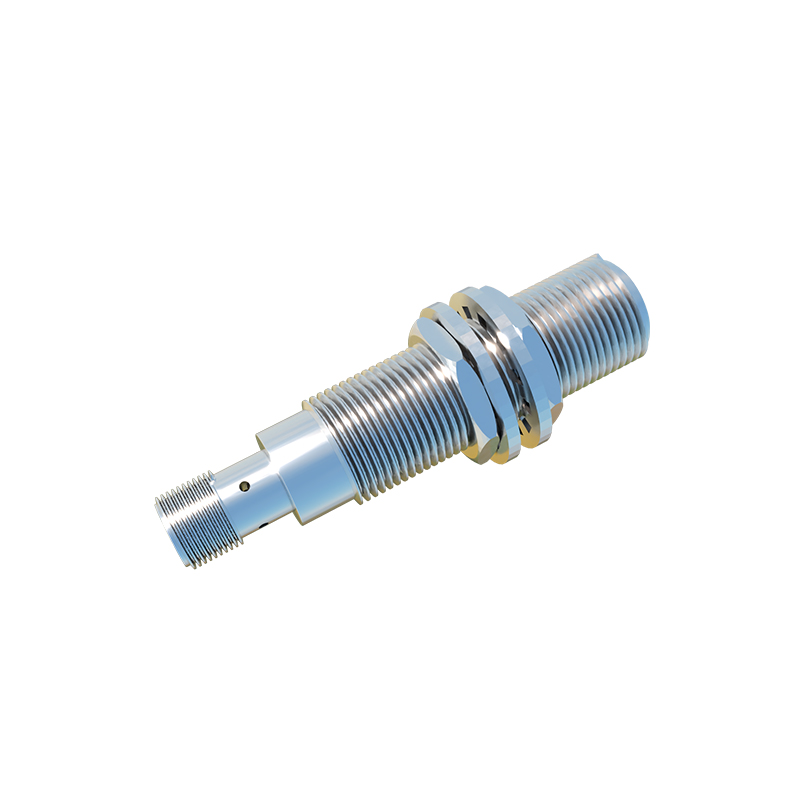
Compared to ultrasonic or standard photoelectric sensors, long-range IR proximity sensors offer distinct benefits. Their primary advantage is the ability to detect objects at significant distances with high precision and fast response times. The infrared beam is highly directional, allowing for precise targeting and reducing the chance of false triggers from peripheral objects. They are largely unaffected by air turbulence, dust, or ambient noise, which can plague ultrasonic sensors. Furthermore, unlike vision systems, they are relatively low-cost, require less processing power, and perform reliably in varying lighting conditions, from complete darkness to bright sunlight, thanks to optical filters that block unwanted wavelengths.
Primary Industrial and Commercial Applications
The applications for these sensors are vast and critical across multiple sectors. In industrial automation, they are used for presence detection on high-speed conveyor lines, roll diameter measurement in paper and steel mills, and vehicle detection in automated guided vehicle (AGV) systems. The security and surveillance field employs them for perimeter protection, long-distance intrusion detection, and traffic monitoring. In the automotive industry, they are integral to advanced driver-assistance systems (ADAS) for adaptive cruise control and collision avoidance. Additionally, they find use in agriculture for monitoring stockpiles, in logistics for warehouse vehicle and container positioning, and in robotics for navigation and obstacle avoidance in dynamic environments.
Critical Selection Parameters for Engineers
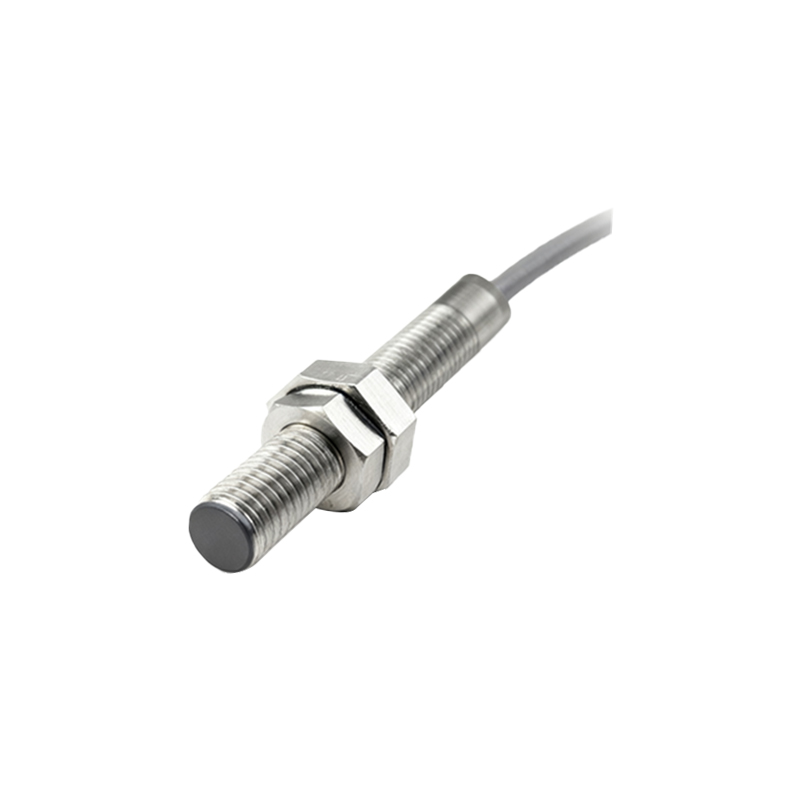
Selecting the appropriate long-range IR sensor requires careful consideration of several technical parameters. The sensing range is paramount, encompassing both the minimum and maximum detectable distances. The repeatability and accuracy specifications determine the consistency and precision of measurements. The response time is crucial for high-speed applications. Engineers must also evaluate the beam pattern (spot size) and divergence angle, as a narrower beam is better for long-range, precise detection. Environmental ratings such as Ingress Protection (IP) for dust and water resistance and operational temperature range are vital for harsh conditions. Finally, the output type (analog voltage/current, digital switch, or serial communication like IO-Link) must be compatible with the control system.
Installation and Alignment Best Practices
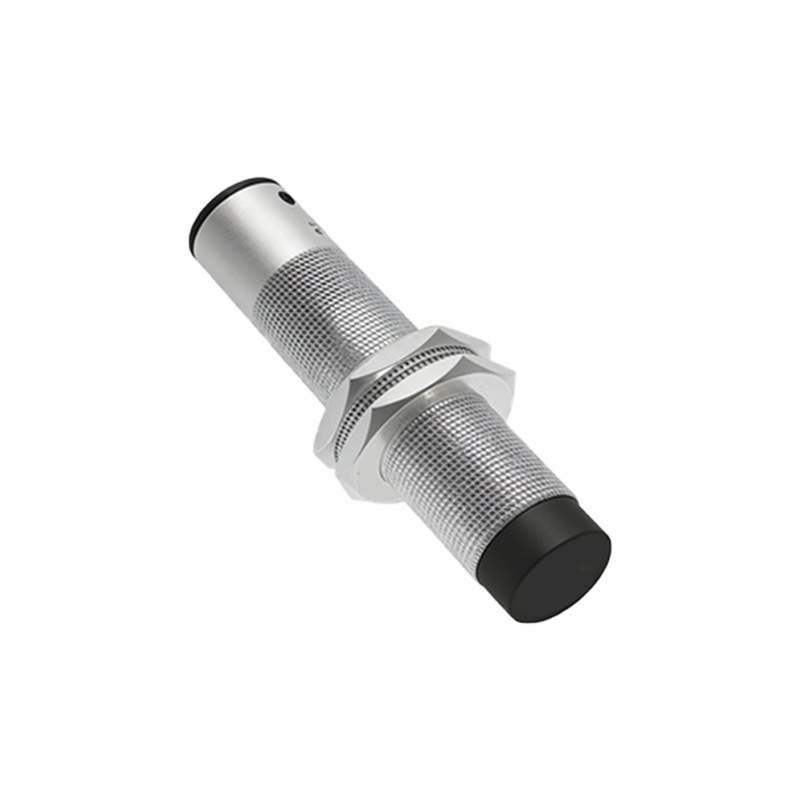
Proper installation is key to achieving optimal sensor performance. The sensor must be mounted securely to prevent vibration, which can cause alignment drift and inaccurate readings. For long-range detection, ensuring a clear, unobstructed line of sight to the target area is essential. Careful alignment using the sensor's built-in aiming aid (often a visible red pilot beam) or an alignment tool is necessary to ensure the target falls within the sensitive area of the beam. It is important to consider potential sources of optical interference, such as highly reflective surfaces nearby that could cause secondary reflections, or direct sunlight hitting the receiver lens. Installing protective shrouds or using sensors with polarized filters can mitigate some of these issues.
Overcoming Common Operational Challenges
While robust, long-range IR sensors can face specific challenges. Detecting objects with low reflectivity (e.g., black matte surfaces) can reduce the effective range, as less light is reflected back to the receiver. In such cases, selecting a sensor with higher emitted power or a more sensitive receiver is advised. Environmental factors like heavy rain, fog, or snow can attenuate the infrared signal. Some advanced sensors incorporate algorithms to compensate for known atmospheric attenuation. Another challenge is crosstalk interference when multiple sensors are used in close proximity. This can be resolved by selecting models with modulated light signals, enabling synchronization, or physically shielding the units to prevent beam overlap.
The Future of Long-Range IR Sensing
The evolution of long-range IR proximity sensors is closely tied to advancements in photonics and semiconductor technology. Future trends point towards sensors with even longer ranges and higher accuracy, achieved through more powerful and efficient laser diodes and improved signal processing algorithms. The integration of multi-pixel ToF arrays is enabling simple 3D