Introduction to Photoelectric Sensor 51
The Photoelectric Sensor 51 represents a significant advancement in the field of industrial sensing technology. Designed for robustness and precision, this sensor utilizes the principle of photoelectric detection to identify the presence, absence, or distance of an object without physical contact. Its core operation involves an emitter that projects a light beam—typically infrared, visible red, or laser—and a receiver that detects changes in this beam. The "51" designation often refers to a specific series or model family known for its standardized form factor, reliable performance in harsh environments, and versatile mounting options. These sensors are integral components in automated production lines, packaging machinery, material handling systems, and safety applications, providing the essential data for control systems to make real-time decisions.
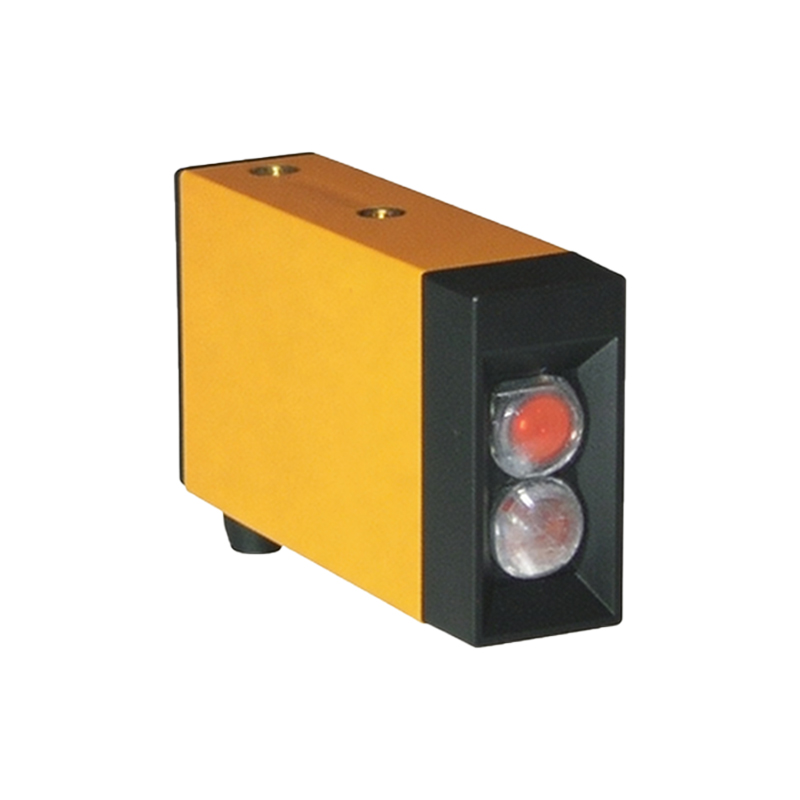
Core Operating Principles and Modes
Understanding the operational modes of the Photoelectric Sensor 51 is crucial for proper application. The three primary modes are through-beam, retro-reflective, and diffuse reflective. In through-beam mode, the emitter and receiver are separate units installed opposite each other. Detection occurs when an object interrupts the light beam traveling from the emitter to the receiver. This mode offers the longest sensing range and highest reliability. The retro-reflective mode uses a single housing containing both emitter and receiver, along with a reflector. The sensor detects an object when it blocks the beam reflected back from the reflector. Diffuse reflective mode, also known as proximity mode, detects an object by receiving the light beam reflected directly off the object's surface. The Photoelectric Sensor 51 series often includes models specialized for each mode, with advanced versions featuring background suppression or fixed-field background suppression for precise detection regardless of object color or surface.
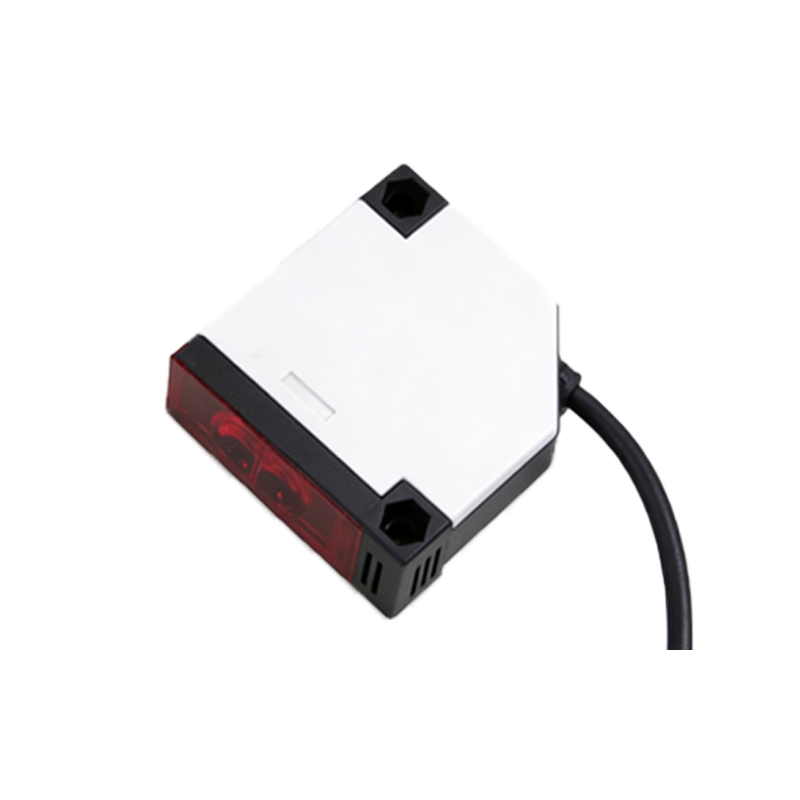
Key Technical Specifications and Features
The performance of the Photoelectric Sensor 51 is defined by its technical specifications. Key parameters include sensing range, which can vary from a few centimeters to several meters depending on the model and mode. Response time is another critical factor, often in the millisecond range, enabling high-speed detection on fast-moving production lines. These sensors typically feature a robust housing rated at IP67 or higher, ensuring protection against dust and water ingress. Electrical specifications include operating voltage ranges (commonly 10-30V DC), output types (PNP/NPN transistor, analog, or IO-Link), and connection methods (connector or pre-wired cable). Many models in the 51 series incorporate advanced functionalities like teach-in programming for easy setup, adjustable sensitivity, and built-in diagnostics with visible LED status indicators. The use of modulated LED light prevents interference from ambient light, guaranteeing stable operation.
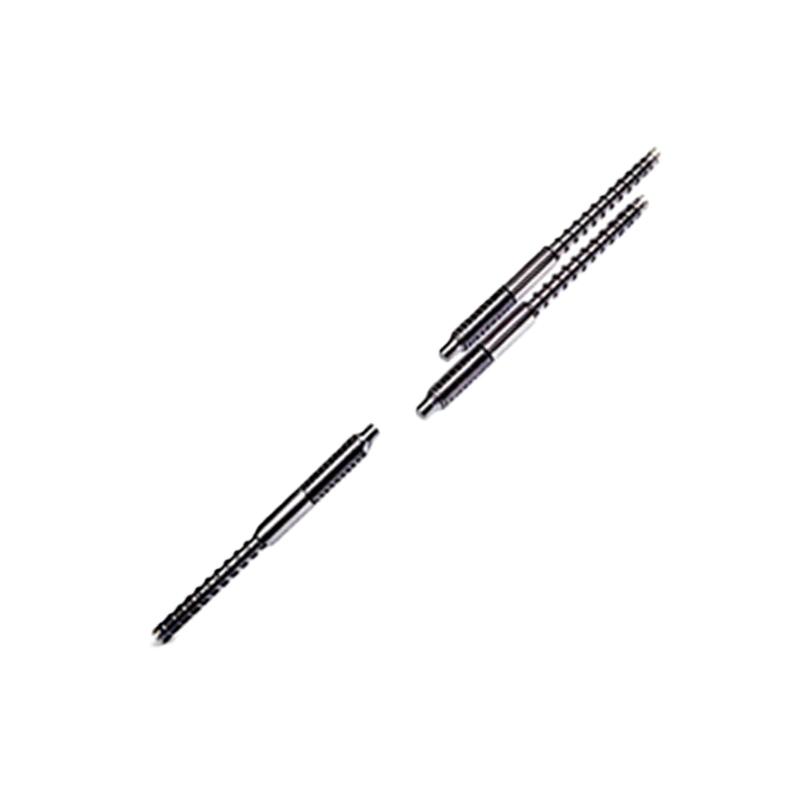
Application Scenarios in Industrial Automation
The versatility of the Photoelectric Sensor 51 makes it suitable for a vast array of industrial applications. In conveyor systems, they are used for object counting, jam detection, and position verification. In automated assembly, they ensure components are present and correctly oriented before a process step. Within packaging machinery, these sensors control fill levels, detect labels, and monitor the presence of products in cartons. They are also employed in robotic guidance for part positioning and in safety systems as part of light curtains or perimeter guarding. The sensor's ability to detect a wide variety of materials—including metal, plastic, glass, and liquid—further expands its utility. Its standardized design allows for easy replacement and interchangeability, minimizing machine downtime.
Installation, Alignment, and Calibration Best Practices
Correct installation is paramount for optimal sensor performance. For through-beam sensors, precise alignment of the emitter and receiver is necessary, often aided by alignment indicators or audible signals. Retro-reflective sensors require proper positioning relative to the reflector, ensuring the reflected beam returns accurately. For diffuse sensors, the mounting distance and angle relative to the target must be considered, factoring in the object's color and reflectivity. Environmental factors such as dirt accumulation on lenses, temperature extremes, and strong ambient light sources must be mitigated. Regular maintenance, including lens cleaning and verification of alignment, is recommended. Modern Photoelectric Sensor 51 models with teach-in functions simplify calibration by allowing the user to set the sensing threshold directly at the installation point.
Troubleshooting Common Operational Issues
Even with robust design, operational issues can arise. Common problems include failure to detect objects, intermittent detection, or false triggering. The first step in troubleshooting is to verify power supply and electrical connections. Next, inspect the lens for contamination and clean it if necessary. For through-beam and retro-reflective types, check the alignment. For diffuse sensors, evaluate if changes in the target object's color, texture, or distance are causing the issue. Utilizing the sensor's diagnostic LEDs is invaluable; a steady light often indicates proper operation, while a blinking pattern may signal a specific fault like a short circuit or alignment error. Ensuring the sensor is not overloaded electrically and that the load (e.g., a PLC input) is compatible with the sensor's output type is also critical.
Future Trends and Integration with Industry 4.0
The evolution of the Photoelectric Sensor 51 is closely tied to the rise of Industry 4.0 and smart manufacturing. Future iterations are increasingly incorporating digital communication protocols like IO-Link. This transforms the sensor from a simple switch into an intelligent device capable of transmitting detailed process data (e.g., signal strength, internal temperature) and receiving parameter changes remotely. This facilitates predictive maintenance, as trends in signal quality can indicate lens fouling before a failure occurs. Integration with cloud platforms and plant-wide control systems allows for centralized monitoring and management of thousands of sensing points. Furthermore, advancements in laser technology and evaluation algorithms are leading to sensors with even higher precision, longer ranges, and the ability to perform simple measurement tasks, blurring the line between sensors and vision systems.