Introduction to Photoelectric Sensor ICs
The core of a modern photoelectric sensor is its integrated circuit (IC). This component is responsible for processing the minute electrical signal generated by the photodetector, amplifying it, filtering noise, and providing a clean, reliable output signal for the control system. The choice of IC directly impacts the sensor's performance metrics, including sensitivity, response speed, stability, and power consumption. Selecting the optimal chip is therefore not merely a component selection but a critical design decision that defines the sensor's capabilities in its intended application, whether it's object detection, counting, positioning, or color recognition.
Key Considerations for IC Selection
Several technical parameters must be evaluated when selecting an IC for a photoelectric sensor. First is the type of photodetector: is it a phototransistor, photodiode, or a more specialized element? The IC must be compatible with the detector's output characteristics. Second, the required gain and bandwidth are paramount. A high-gain amplifier is necessary for detecting weak light signals or over long distances, while a high-bandwidth IC is essential for high-speed counting applications. Third, ambient light rejection and noise immunity are crucial for reliability in industrial environments. ICs with built-in modulation/demodulation capabilities or sophisticated filtering are preferred. Finally, power supply voltage range and overall power consumption are critical, especially for battery-operated sensors.
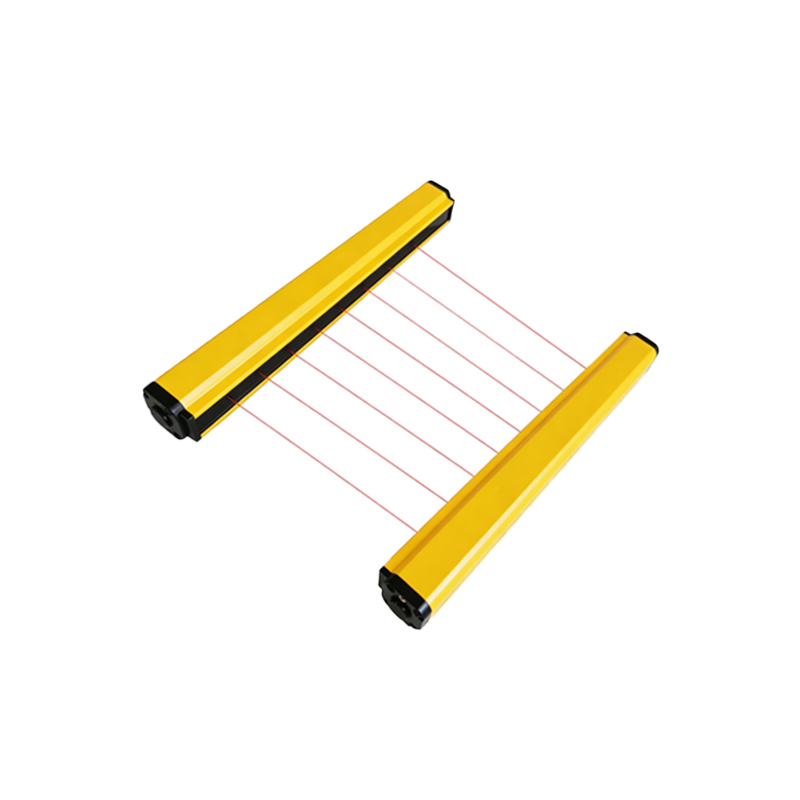
Amplifier and Comparator ICs: The Foundational Choice
For many standard photoelectric sensors, especially in diffuse and retro-reflective modes, operational amplifiers (op-amps) and comparator ICs form the foundational building blocks. A transimpedance amplifier (TIA) configuration is commonly used with photodiodes to convert the tiny photocurrent into a usable voltage. ICs like the Texas Instruments OPA series or Analog Devices ADA series offer low noise, low offset voltage, and high gain-bandwidth product, making them excellent choices. For the decision-making stage, comparator ICs such as the LM393 or newer nano-power variants provide a stable switching output. This discrete approach offers maximum design flexibility and cost-effectiveness for high-volume, standard-performance sensors.
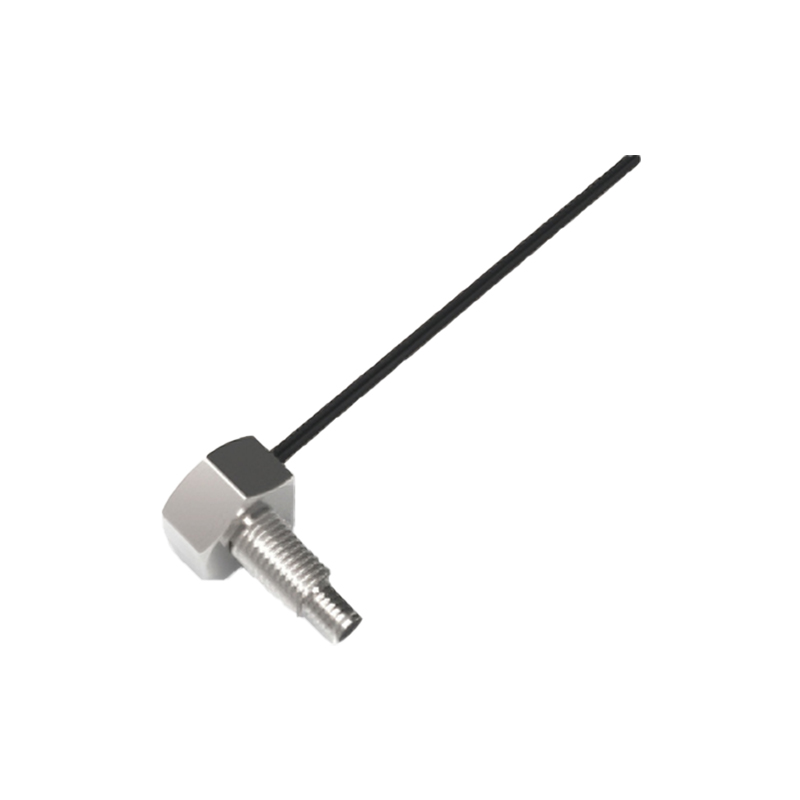
Specialized Photoelectric Sensor ICs
To simplify design and enhance performance, many semiconductor manufacturers offer ICs specifically tailored for photoelectric sensing. These integrated solutions often contain a complete signal chain: a pre-amplifier, AGC (Automatic Gain Control), modulator/demodulator for ambient light rejection, and a comparator. Examples include the Vishay TEMT series or the Everlight ALS-PDIC series. These chips are designed to work seamlessly with matching infrared emitters and detectors, significantly reducing development time and component count. They are particularly advantageous for demanding applications requiring high noise immunity and consistent performance under varying environmental conditions.
The Role of Microcontrollers and SoCs
In smart and programmable photoelectric sensors, a microcontroller (MCU) or a System-on-Chip (SoC) with analog peripherals becomes the heart of the system. Modern MCUs from vendors like STMicroelectronics (STM32), Microchip (PIC), or Renesas integrate high-resolution Analog-to-Digital Converters (ADCs), programmable gain amplifiers (PGAs), and digital signal processing capabilities. This allows for advanced functions like programmable sensing distance, teach-in functionality, IO-Link communication, and sophisticated background light compensation algorithms. The choice here depends on the required processing power, communication interfaces (e.g., UART, I2C, IO-Link), and the complexity of the embedded software.
Application-Specific Recommendations
For long-range, through-beam sensors where signal strength is low, a combination of a low-noise, high-gain TIA op-amp followed by a precision comparator is recommended. For color sensors, an IC with multiple channels and integrated filters or an MCU with multi-channel ADC is essential to process red, green, blue, and often infrared signals. In contrast-reflective sensors for small object detection, a specialized photoelectric IC with excellent modulation capability provides the best immunity to ambient light. For low-power, battery-based presence sensors, the focus should be on nano-power comparator ICs or MCUs with deep sleep modes and fast wake-up times.
Future Trends and Conclusion
The trend in photoelectric sensor ICs is moving towards greater integration and intelligence. We are seeing more SoCs that combine the analog front-end, a powerful MCU core, and a digital communication block in a single package. Furthermore, the integration of ambient light sensors (ALS) for automatic sensitivity adjustment is becoming more common. When choosing an IC, engineers must balance performance, cost, power, and development resources. There is no single "best" chip; the optimal choice is always the one that most precisely and reliably meets the specific requirements of the sensor's application, ensuring robustness and longevity in the field.