Introduction to Phase Proximity Sensors
Phase proximity sensors are specialized electronic devices designed to detect the presence, absence, or position of a target object without physical contact. Their core function revolves around sensing changes in an electromagnetic field or other physical properties. Unlike simple on/off proximity switches, phase-sensitive variants often incorporate advanced signal processing to interpret the phase shift of a returned signal. This capability allows for highly accurate detection and measurement, particularly in environments where standard sensors might be prone to error from environmental interference or target material variations. They are fundamental components in modern automation, robotics, and safety systems, providing reliable data for control systems.
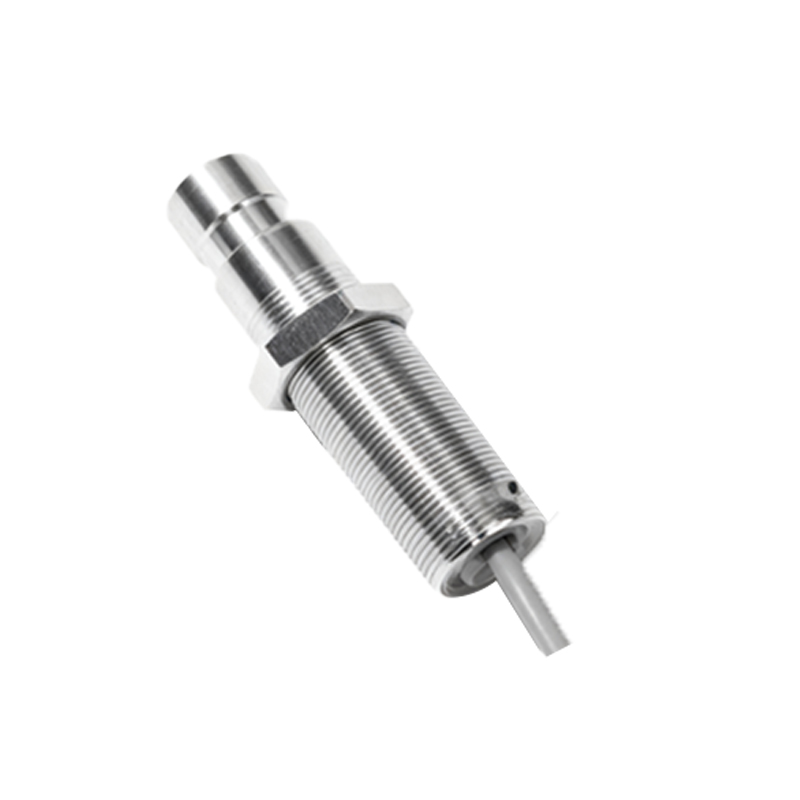
Precise Position and Displacement Sensing
One of the primary functions of a phase proximity sensor is to determine the exact position or minute displacement of an object. By analyzing the phase difference between the emitted and reflected signals, these sensors can detect movements with high resolution. This is critical in applications like precision machining, where tool positioning must be exact, or in assembly lines for part alignment. The phase-based method offers superior accuracy compared to amplitude-based detection, as it is less affected by changes in the target's surface reflectivity or color, ensuring consistent performance across different materials.
Speed and Rotation Monitoring
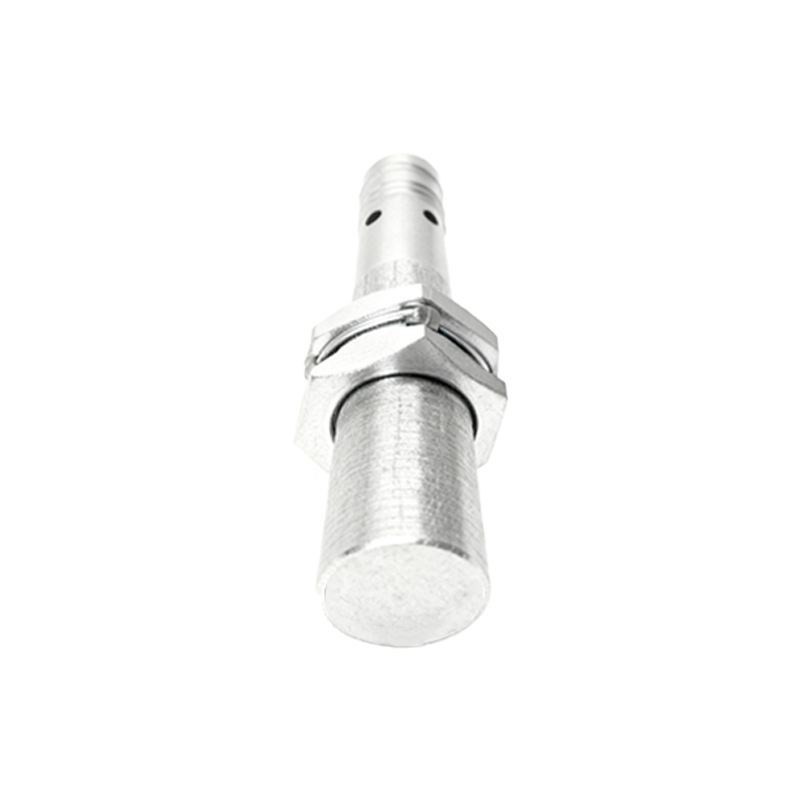
Phase proximity sensors are extensively used for monitoring rotational speed and direction. When mounted near a gear, encoder disk, or other rotating element with defined features (like teeth or slots), the sensor detects each passing feature. The phase information of the detection pulses can be used to calculate precise rotational speed (RPM). Furthermore, by using multiple sensors or analyzing signal patterns, they can also determine the direction of rotation. This function is vital in motor control, conveyor belt speed regulation, and turbine monitoring, enabling predictive maintenance by identifying unusual speed variations.
Object Detection and Counting
A fundamental and widespread application is the detection and counting of objects on a production line. Phase proximity sensors can reliably sense metallic or non-metallic objects passing by a specific point. Their fast response time and high switching frequency allow for counting items at very high speeds without missing a count. The phase-sensing technology helps distinguish between the target object and background noise or vibration, reducing false triggers. This ensures accurate inventory management, production batch counting, and quality control by verifying the presence of components in an assembly.
Material and Thickness Identification
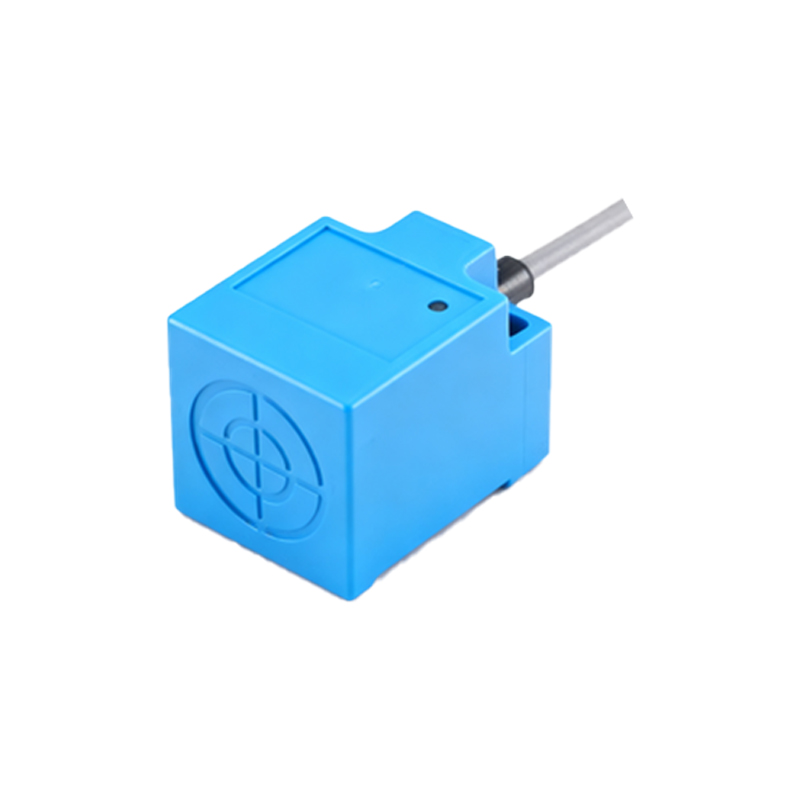
Advanced phase proximity sensors can differentiate between materials or even measure material thickness in non-contact ways. Different materials affect the electromagnetic field or ultrasonic wave phase in distinct ways. By calibrating the sensor to a reference, it can identify whether a passing object is made of steel, aluminum, plastic, or another material. In thickness gauging applications, the phase shift of an ultrasonic signal, for instance, correlates with the thickness of the material it travels through. This is invaluable in metal processing, plastic film production, and quality inspection stations.
Safety and Limit Control
These sensors play a crucial role in machine and personnel safety. They are used as limit switches to ensure that a moving part, such as a robotic arm or a gate, does not exceed its safe operational boundaries. By providing a precise signal when an object enters a danger zone, they can trigger emergency stops or alarms. Phase-based sensors are often chosen for safety-critical applications because their operational integrity can be more reliably monitored; a failure or drift in the sensor's phase characteristics can be detected, indicating a need for maintenance before a complete fault occurs.
Compensation for Environmental Variables
A significant advantage of phase-sensitive detection is its inherent ability to compensate for certain environmental variables. Factors like temperature fluctuations, humidity, or the accumulation of dust and dirt can affect sensor performance. Since phase measurement is often a relative measurement, it can be less susceptible to these slow-changing conditions than sensors relying solely on signal amplitude. This makes phase proximity sensors robust and suitable for harsh industrial environments, such as foundries, outdoor applications, or food processing plants, where conditions are not constant.
Integration with Control Systems
The data provided by phase proximity sensors is typically in a form readily usable by Programmable Logic Controllers (PLCs), industrial PCs, and other control systems. The digital or analog output signals convey not just the presence of an object, but often qualified information about its position, speed, or material. This enables sophisticated closed-loop control processes. For example, in a packaging machine, a sensor can detect a misaligned box (position function), and the control system can then command an actuator to correct its orientation, all in real-time.
Conclusion and Future Trends
In summary, phase proximity sensors are versatile tools whose functions extend far beyond simple detection. They enable precise measurement of position and speed,