Introduction to Proximity Switch Sensors
Proximity switch sensors are fundamental components in modern industrial automation, providing non-contact detection of metallic or non-metallic objects. These devices operate by emitting an electromagnetic field or a beam of electromagnetic radiation and looking for changes in the field or return signal. The key advantage lies in their ability to detect objects without physical contact, thereby eliminating mechanical wear and enabling high-speed, reliable operation in harsh environments. Among the various specifications and mounting configurations, the concept of a "4-point circumference" is critical for ensuring precise and stable installation, particularly in dynamic or high-vibration settings. This configuration refers to the arrangement of mounting holes or the sensor's physical design that allows for secure fastening at four distinct points around its cylindrical housing, enhancing its mechanical integrity.
Understanding the 4-Point Circumference Design
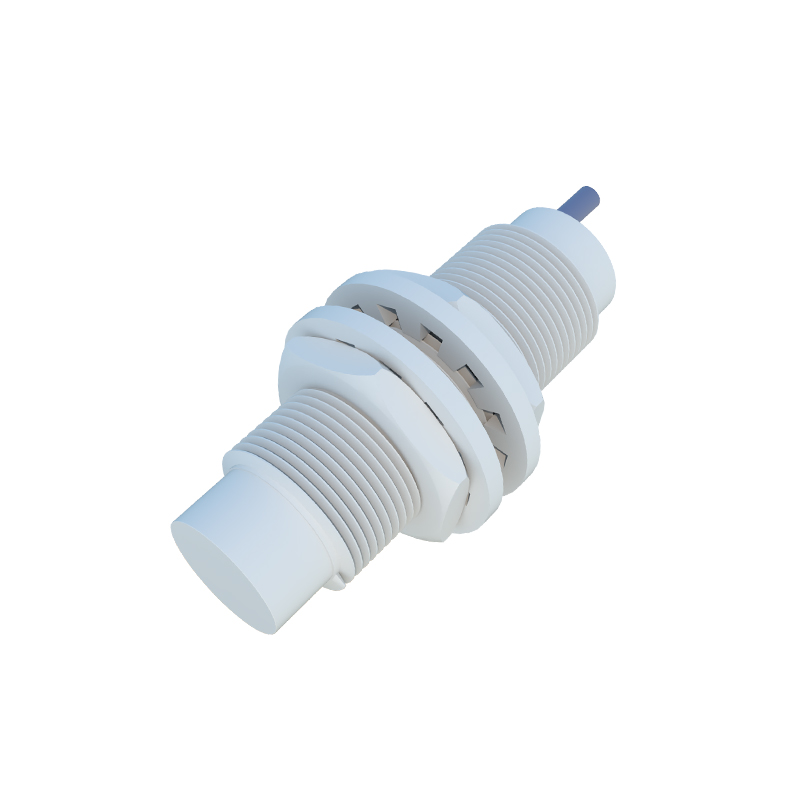
The 4-point circumference design is a specific mechanical feature of cylindrical proximity sensors, typically those with M8, M12, M18, or M30 threaded barrels. Unlike simpler two-point mounting methods, this design incorporates four mounting points distributed evenly around the sensor's circumference. This is often achieved through a hexagonal nut or a specialized flange with four tapped holes. The primary purpose is to provide superior resistance to torsional forces and vibration. When installed, the sensor is clamped securely, preventing it from rotating or loosening due to machine vibrations or incidental contact. This is especially vital in applications where the sensor's orientation is crucial for accurate detection, or where consistent positioning over long periods is required without maintenance intervention.
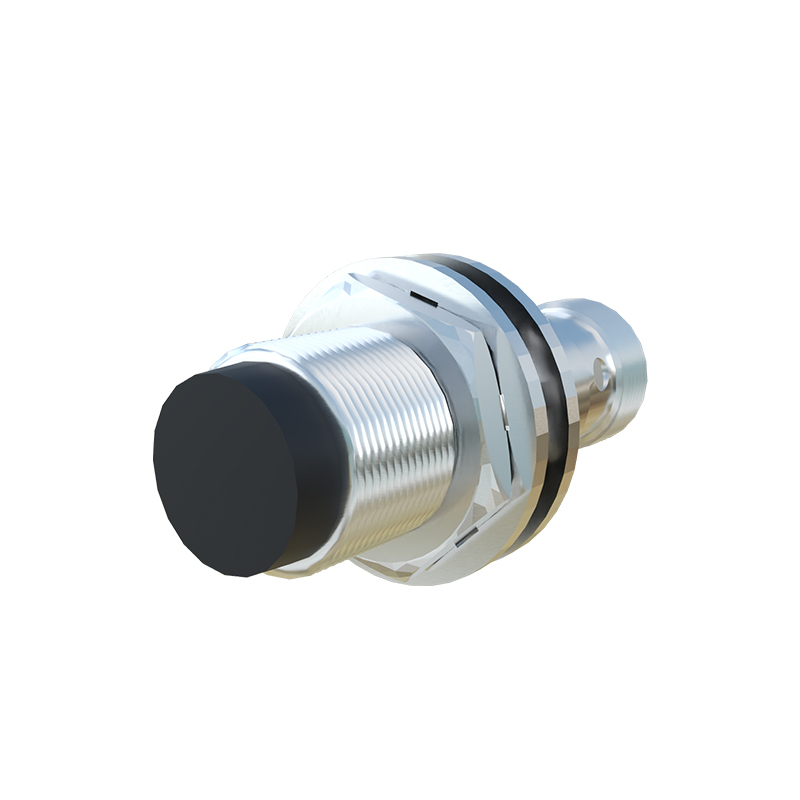
Technical Advantages in Industrial Settings
Implementing proximity sensors with a 4-point circumference mounting system offers several tangible technical benefits. Firstly, it dramatically improves mounting stability. The even distribution of clamping force prevents stress concentration, reducing the risk of housing damage or thread stripping. Secondly, it ensures consistent sensing performance. Any movement or rotation of the sensor after calibration can alter its effective sensing range or alignment with the target, leading to false triggers or missed detections. The four-point lock eliminates this drift. Furthermore, this design enhances the sensor's resilience in high-vibration environments common in stamping presses, conveyor systems, or robotic arms. It also simplifies maintenance by providing a more reliable and repeatable mounting reference, making sensor replacement quicker and ensuring the new unit is in the exact same position as the old one.
Installation and Alignment Best Practices
Correct installation is paramount to leverage the full benefits of the 4-point circumference design. The process begins with selecting the appropriate mounting bracket or fixture that accommodates the four-point fastening. The sensor should be inserted through the panel, and the provided hex nut or flange should be threaded or bolted into place. Using a torque wrench is highly recommended to apply the manufacturer-specified torque to each mounting point evenly. Overtightening can deform the housing and affect performance, while undertightening defeats the purpose of the secure mount. Alignment should be checked with the target object in both its nominal and extreme positions. For inductive sensors detecting metals, ensuring the correct stand-off distance from the sensing face to the target is critical, and the secure mount guarantees this gap remains constant.
Application-Specific Considerations
The choice to use a sensor with a 4-point circumference feature depends heavily on the application. In precision machining centers, where tool wear detection or part presence verification is critical, sensor stability directly impacts product quality. On automated assembly lines with fast-moving pallets, vibrations are incessant, making a secure mount essential for uninterrupted operation. In mobile equipment or heavy machinery subject to shock and jarring, these sensors maintain reliability. It is also a preferred choice for sensors used in safety-related functions, where failure due to loosening is unacceptable. When specifying a sensor, engineers must consider not only the electrical characteristics (e.g., PNP/NPN, NO/NC, sensing range) but also the mechanical mounting scheme, with the 4-point circumference being the gold standard for demanding conditions.
Comparison with Alternative Mounting Styles
It is instructive to compare the 4-point circumference design with other common mounting styles. Standard cylindrical sensors often rely on a single locknut, which provides only a two-point clamping force and is prone to rotation. Some sensors offer a flange mount with two holes, which is more stable than a single nut but may still allow pivoting along one axis. The 4-point system, effectively creating a flange with four bolts, provides constraint in all rotational axes, offering the highest level of fixed stability. While sensors with built-in quick-disconnect connectors or non-cylindrical shapes may use different mounting methods, for traditional barrel-style inductive, capacitive, and ultrasonic proximity sensors, the 4-point circumference represents