Introduction to Photoelectric Sensor Technology
Photoelectric sensors are indispensable components in modern industrial automation, leveraging light beams to detect the presence, absence, or distance of objects. Their operation is based on the principle of emitting a light beam—often infrared, visible red, or laser—and analyzing the received signal. The three primary types are through-beam, retro-reflective, and diffuse reflective sensors, each suited for specific applications based on required sensing distance, environmental conditions, and object characteristics. These devices are critical for tasks ranging from simple object counting on conveyor belts to complex positioning in robotic assembly lines. Their reliability, non-contact nature, and fast response times make them superior to mechanical switches in countless scenarios. As Industry 4.0 and smart factory concepts evolve, the demand for more intelligent, compact, and networked photoelectric sensors continues to grow, pushing manufacturers to innovate constantly.
Key Criteria for Evaluating Sensor Manufacturers
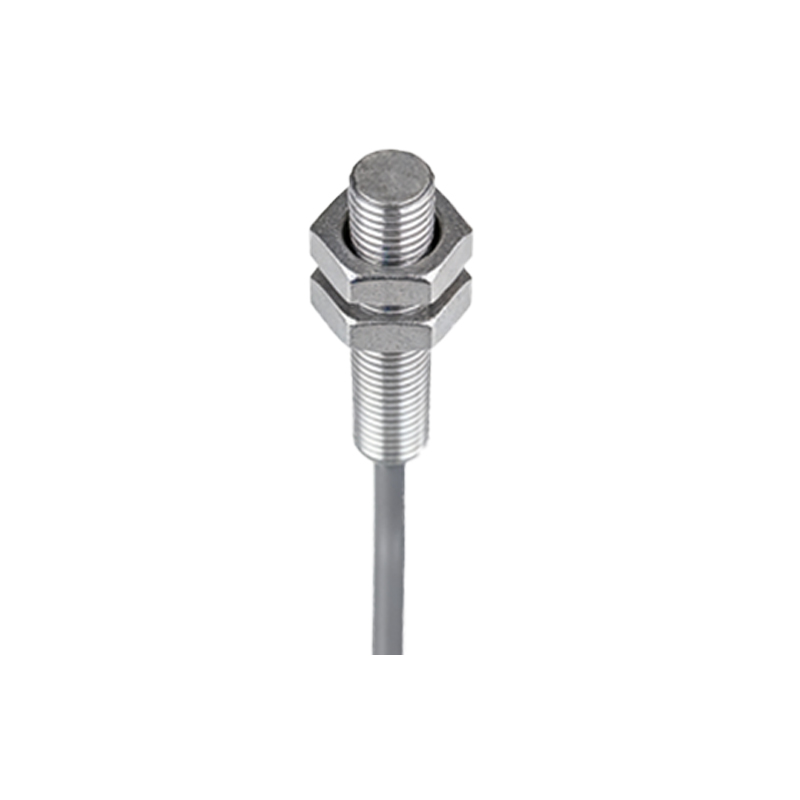
Selecting the right photoelectric sensor supplier is a strategic decision that impacts operational efficiency and system reliability. Several critical factors must be considered. First, product portfolio breadth and depth are paramount; a leading manufacturer should offer a wide range of sensors, including standard models, miniature versions, background suppression sensors, and color recognition sensors. Second, technical performance specifications such as sensing range, response time, light source type, and housing protection ratings (IP67, IP69K) are non-negotiable for harsh industrial environments. Third, the availability of advanced features like IO-Link communication for predictive maintenance, teach-in functionality for easy setup, and robust resistance to ambient light interference defines a premium product. Finally, global support networks, comprehensive documentation, and configurator software for product selection are essential for seamless integration and long-term maintenance.
Leading Global Players in the Photoelectric Sensor Market
The global market for photoelectric sensors is dominated by several established giants known for their technological prowess and reliability. Keyence Corporation (Japan) is often hailed for its ultra-high-performance and innovative sensor solutions, particularly in precision measurement and challenging detection applications. Their products frequently set benchmarks for sensing distance and miniaturization. Omron Corporation (Japan) is another powerhouse, offering an exceptionally diverse portfolio known for durability and advanced functionalities like built-in amplifiers and multi-voltage capabilities. Sick AG (Germany) is renowned for its rugged sensors designed for demanding environments like logistics and automotive manufacturing, with a strong focus on safety and network integration. Banner Engineering (USA) is highly regarded for providing robust, cost-effective sensors with excellent customer support and a vast array of standard models. These companies consistently lead in market share and are considered top-tier choices for high-stakes industrial automation.
Emerging Trends and Niche Specialists
Beyond the established leaders, the market features dynamic trends and specialized manufacturers. The integration of Industrial Internet of Things (IIoT) capabilities is a significant trend, with sensors now offering direct data output for cloud analytics and condition monitoring. Companies like ifm electronic (Germany) excel in this area with their extensive IO-Link sensor offerings. Another trend is the development of extremely miniaturized sensors for compact machinery and electronics assembly, where manufacturers like Panasonic (Japan) and Turck (Germany) have strong offerings. Furthermore, niche specialists focus on specific challenges; for instance, some companies produce sensors exclusively for cleanroom environments in semiconductor fabrication or for explosive atmospheres (ATEX certification). The rise of vision sensors, which combine photoelectric sensing with simple camera-based inspection, also blurs traditional boundaries, with Cognex and Basler being notable players in this converging space.
Making the Right Choice for Your Application
Determining which photoelectric sensor manufacturer is "best" is entirely application-dependent. For high-speed, precision electronics manufacturing, Keyence or Omron might be the preferred choice. For heavy-duty, washdown applications in food and beverage or packaging, the ruggedness of Sick or Banner sensors could be decisive. For projects prioritizing easy integration into a digital factory network, ifm's IIoT-focused portfolio offers a compelling advantage. Budget constraints also play a role; while premium brands offer top performance, several reputable manufacturers provide excellent value for standard applications. The optimal approach involves clearly defining the application requirements: required sensing distance, target object properties (color, material, size), environmental conditions (dust, moisture, temperature), necessary output type, and connectivity needs. Consulting technical datasheets, utilizing online configurators, and engaging with supplier application engineers are crucial steps in this selection process to ensure a perfect fit.
Conclusion and Future Outlook
The photoelectric sensor market is robust and innovative, driven by the relentless demand for automation and data intelligence. While established manufacturers like Keyence, Omron, Sick, and Banner set high standards for quality and performance, the landscape is enriched by specialists adapting to trends like IIoT, miniaturization, and enhanced diagnostics. The "best" supplier is the one whose product portfolio, technical support, and innovation roadmap align most closely with an end-user's specific operational challenges and strategic goals. Future developments will likely focus on even smarter sensors with embedded intelligence, greater energy efficiency, and seamless integration into unified industrial communication protocols, further solidifying their role as the eyes of the automated factory.