Introduction to Infrared Proximity Gesture Sensing
Infrared proximity gesture sensor chips represent a significant leap in non-contact human-machine interface technology. These sophisticated integrated circuits utilize infrared light to detect the presence, motion, and distance of objects—primarily human hands—without any physical contact. At their core, these chips contain infrared emitters, typically LEDs, and photodetectors. The emitter projects a beam of infrared light, which reflects off nearby objects and is captured by the detector. By analyzing the intensity, pattern, and timing of the reflected light, the chip can interpret specific hand movements as commands. This technology has evolved from simple proximity detection to complex gesture recognition, enabling intuitive control in a myriad of applications, from consumer electronics to industrial automation and automotive systems. The underlying principle is based on the modulation of infrared signals to filter out ambient light interference, ensuring reliable operation in various lighting conditions.
Core Architecture and Working Principle
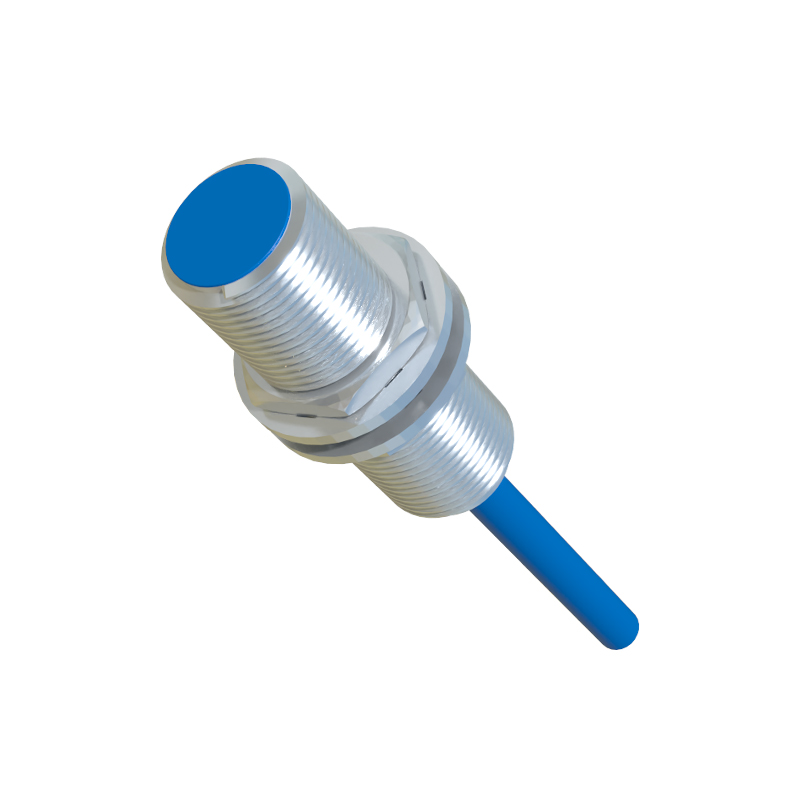
The architecture of a modern infrared gesture sensor chip is a marvel of miniaturized optoelectronics and signal processing. A typical chip integrates several key components: one or more infrared light-emitting diodes (IR LEDs), a corresponding array of photodiodes or a specialized photodetector IC, an analog front-end (AFE) for signal conditioning, and a digital processing unit often based on a microcontroller or a dedicated digital signal processor (DSP). The IR LEDs emit modulated light at specific wavelengths, commonly around 850nm or 940nm, which is invisible to the human eye. The reflected light is received by the photodetector array. The AFE amplifies the weak analog signal and converts it to a digital format. The digital processor then executes complex algorithms to calculate the time-of-flight (ToF) or analyze the spatial distribution of the reflected light to determine proximity and track motion vectors. Advanced chips employ sensor fusion techniques, combining data from multiple photodetectors to create a two-dimensional or even three-dimensional map of the gesture, enabling recognition of swipes, circles, taps, and holds with high accuracy.
Key Performance Parameters and Specifications
Evaluating an infrared proximity gesture sensor chip involves several critical performance parameters. Detection range is fundamental, typically spanning from a few centimeters up to 20-30 centimeters for consumer devices, with industrial variants offering longer ranges. The field of view (FoV) determines the angular area within which gestures can be detected; a wider FoV allows for more flexible interaction but may require more sophisticated algorithms to avoid false triggers. Power consumption is paramount, especially for battery-powered devices. Modern chips feature ultra-low-power sleep modes and fast wake-up times. The signal-to-noise ratio (SNR) dictates performance under various ambient light conditions, including direct sunlight. Finally, the gesture recognition rate and latency are crucial for user experience; high-performance chips can recognize gestures in real-time with latencies under 100 milliseconds. Communication interfaces like I2C or SPI are standard for reporting data to the host system.
Primary Applications Across Industries
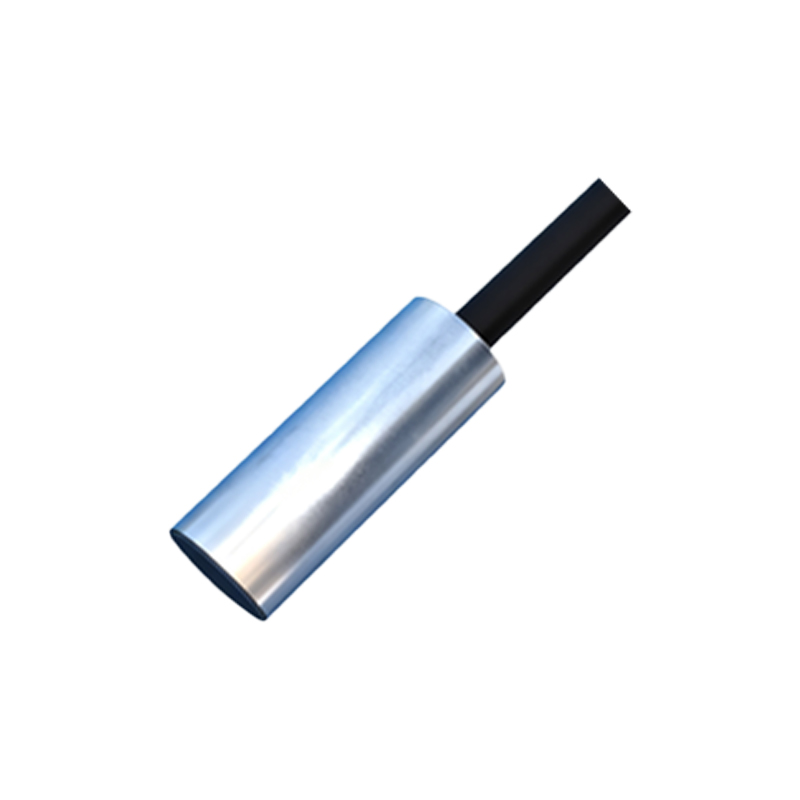
The application spectrum for these chips is vast and growing. In consumer electronics, they are ubiquitous in smartphones, tablets, and smart TVs for touchless control, screen wake-up, and preventing accidental touches during calls. In the automotive sector, they enable gesture-controlled infotainment systems, allowing drivers to adjust volume or answer calls without looking away from the road. Home appliances, such as smart faucets, soap dispensers, and range hoods, use them for hygienic, hands-free operation. Industrial automation leverages these sensors for controlling machinery in sterile or hazardous environments where physical contact is undesirable. Furthermore, they are finding roles in virtual and augmented reality systems for enhanced interaction and in robotics for more intuitive human-robot collaboration. The drive towards more hygienic public interfaces post-pandemic has further accelerated their adoption.

Design Challenges and Implementation Considerations
Implementing infrared gesture sensing presents distinct design challenges. Optical design is critical; the placement of the IR emitter and detector, along with the lens or aperture design, must be optimized to achieve the desired FoV and minimize crosstalk. Calibration is necessary to account for variations in component characteristics and environmental factors like cover glass thickness and reflectivity. Robust algorithm development is required to distinguish intentional gestures from random hand movements and environmental noise. Power management strategies must balance responsiveness with battery life. Designers must also consider the impact of external infrared sources, such as sunlight or other electronic devices, and implement effective countermeasures in both hardware (optical filters) and software (adaptive thresholding). Electromagnetic compatibility (EMC) and thermal management are additional considerations for reliable operation.
Future Trends and Technological Advancements
The future of infrared