In the rapidly evolving landscape of industrial automation and precision measurement, vehicle-mounted laser displacement sensors have become indispensable tools. These sensors, mounted on AGVs (Automated Guided Vehicles), autonomous mobile robots, and specialized inspection vehicles, provide non-contact, high-accuracy distance and profile measurements. A common and critical question for engineers, procurement managers, and system integrators is: "What is the price of a vehicle-mounted laser displacement sensor?" The answer is not a single figure but a spectrum influenced by a complex interplay of technical specifications, brand value, and application requirements.
The core price determinant is the sensor's performance specification. Key parameters include measuring range, resolution, linearity, and sampling speed. A standard sensor with a 50mm range, ±0.1% linearity, and a 1kHz sampling rate might be found in the lower price tier, typically ranging from $800 to $2,000 per unit. For applications demanding extreme precision—such as battery weld seam inspection on EV manufacturing lines or brake disc thickness measurement—sensors with sub-micron resolution, high linearity (±0.02%), and long ranges (e.g., 300mm) command a premium. These high-end models can range from $3,000 to $8,000 or more. The sampling speed is another cost driver; a 10kHz or 50kHz sensor for high-speed dynamic measurement on a moving vehicle will be significantly more expensive than a 1kHz model.
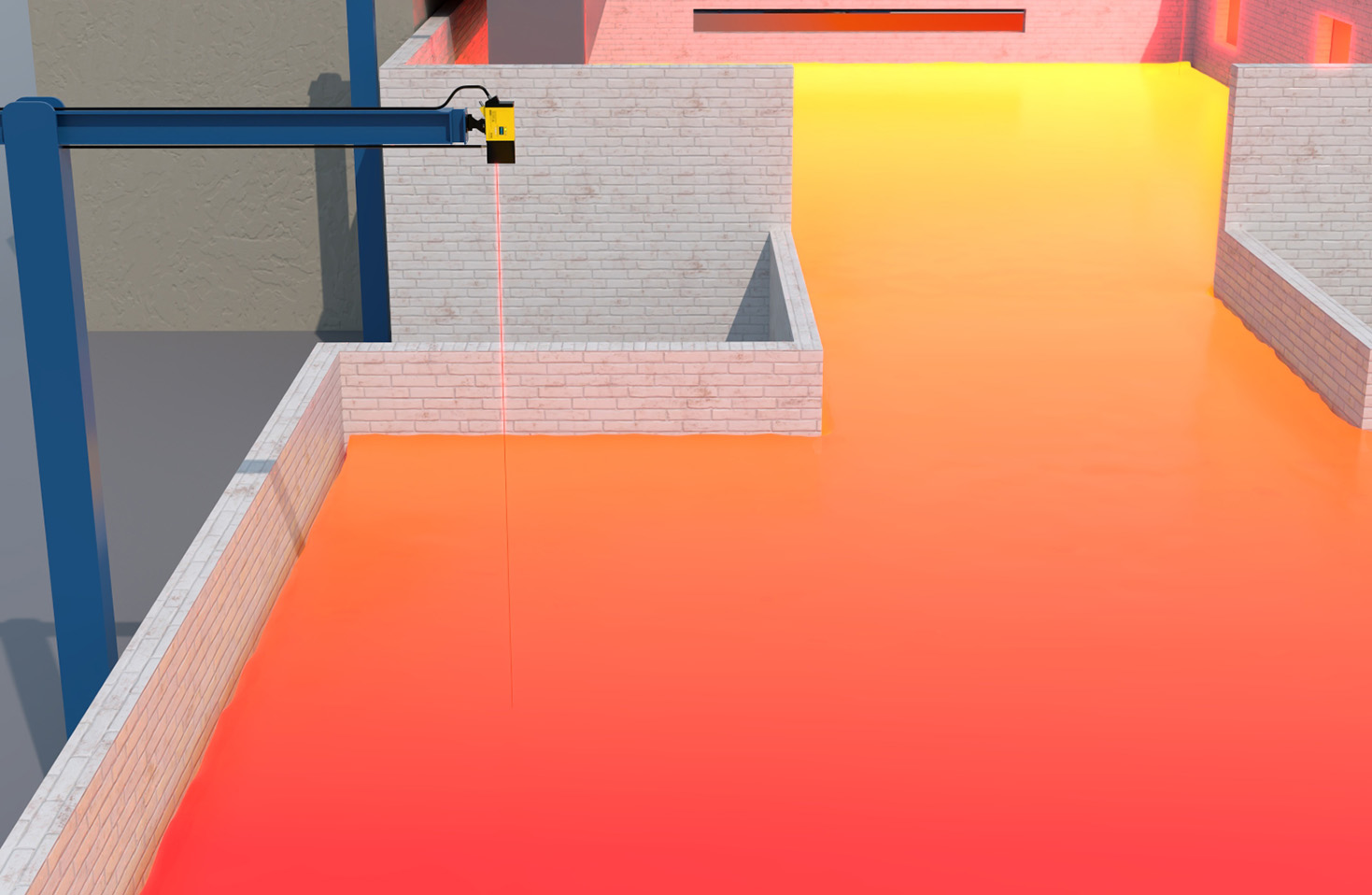
Brand reputation and origin play a substantial role. Established European and Japanese manufacturers like Keyence, Micro-Epsilon, and Panasonic are often positioned in the higher price bracket ($2,500 to $10,000+), justified by their proven reliability, extensive software ecosystems, and global technical support. Emerging brands from Asia, particularly China and Taiwan, offer competitive alternatives, with prices often 30% to 50% lower for comparable specs, ranging from $500 to $4,000. While these can provide excellent value, due diligence on long-term stability, environmental robustness (IP rating), and after-sales service is crucial.
The concept of "vehicle-mounted" adds specific cost layers. A sensor destined for a factory AGV isn't just a standard lab sensor. It requires enhanced mechanical robustness to withstand constant vibration and shock. It must have a high IP rating (e.g., IP67) for dust and moisture resistance. Furthermore, specialized mounting brackets, protective housings, and sometimes active temperature stabilization features are necessary, adding $100 to $500 to the total system cost. Communication interfaces also affect price; standard analog (0-10V/4-20mA) and digital (USB) outputs are common, but industrial Ethernet (EtherCAT, PROFINET) or specific vehicle bus interfaces add cost.
Beyond the unit price, the Total Cost of Ownership (TCO) must be considered. This includes integration software licenses, calibration services, and maintenance. Some manufacturers offer all-in-one packages, while others use a modular pricing strategy. For large-scale deployments, such as equipping a fleet of logistics robots, volume discounts can significantly reduce the per-unit cost. The market is also seeing a trend towards smart sensors with built-in analysis software, which have a higher upfront cost but can reduce downstream processing expenses.
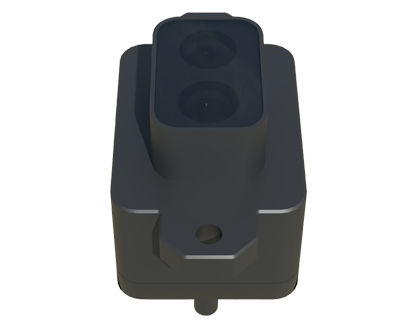
In conclusion, navigating the price landscape for vehicle-mounted laser displacement sensors requires a clear definition of the application's technical needs and operational environment. Prices can vary from under $1,000 for basic models to over $10,000 for ultra-high-performance, brand-name solutions. The most cost-effective approach is to partner with suppliers who can provide not just a sensor, but a validated solution for the specific vehicular platform, ensuring accuracy, durability, and ultimately, a strong return on investment through improved automation quality and efficiency.