In the rapidly evolving landscape of industrial automation, robotics, and smart systems, laser sensors have become indispensable components. Their ability to deliver high-precision, non-contact measurements for distance, position, displacement, and profile detection makes them critical for applications ranging from factory floors to autonomous vehicles. With a crowded market of manufacturers and models, selecting the right sensor can be daunting. This guide provides an objective ranking of top laser sensor brands and technologies for 2024, based on performance metrics, innovation, market adoption, and reliability, serving as a crucial resource for engineers and procurement specialists.
The evaluation for this ranking considers several key parameters: measurement accuracy and resolution, long-term stability, response speed, robustness in harsh environments (including resistance to dust, light interference, and temperature fluctuations), ease of integration, and the comprehensiveness of software support. It is important to note that the "best" sensor is highly application-dependent; a sensor perfect for sub-micron precision in a lab may fail on a vibrating assembly line.
Leading the pack in innovation and high-performance applications is Keyence. The Japanese manufacturer consistently sets industry benchmarks, particularly with its LK Series of laser displacement sensors and IL Series for profile measurement. Keyence sensors are renowned for their exceptional accuracy (often down to the sub-micron level), ultra-high sampling speeds, and advanced features like transparent object measurement and sophisticated edge detection algorithms. Their user-friendly controllers and software suites, such as LK-Navigator, simplify setup and data analysis. While often positioned at a premium price point, their reliability and performance in critical tasks justify the investment for many high-tech industries.
A close contender and a powerhouse in sensor technology is Sick AG. The German company offers an exceptionally wide portfolio, including highly robust DTM and OD series laser distance sensors designed for demanding industrial environments. Sick excels in logistics, material handling, and outdoor applications, with sensors featuring strong housing (IP67/IP69K ratings), reliable performance under varying ambient light, and excellent range capabilities. Their sensors are synonymous with durability and are a go-to choice for automotive, packaging, and intralogistics sectors where toughness is non-negotiable.
For a strong balance of performance and value, Omron and Panasonic are dominant forces. Omron's ZX Series offers remarkable versatility with a wide selection of sensor heads and controllers, supporting diverse measurement modes (diffuse-reflective, retro-reflective, through-beam). They are praised for their ease of use, stable performance, and competitive pricing, making them extremely popular in general automation. Similarly, Panasonic's HG Series provides high-speed, high-accuracy measurement in a compact form factor, widely adopted in electronics assembly and precision manufacturing.
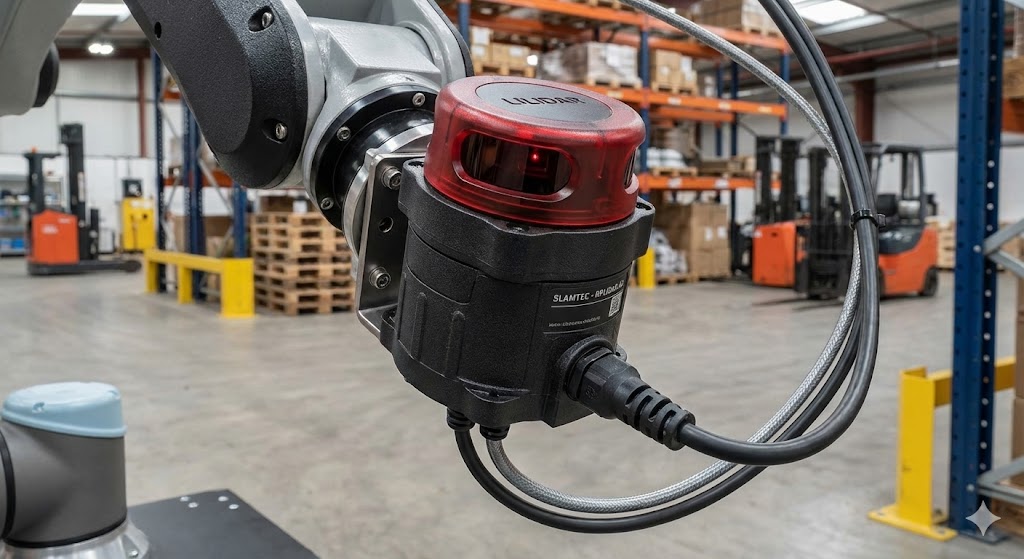
In the realm of 2D/3D LiDAR sensors, which are foundational for robotics and autonomous systems, Sick (with its TiM series 2D LiDAR) and Velodyne Lidar (a pioneer in 3D perception) have been historical leaders. However, newer players like Ouster with its digital LiDAR technology and Hesai Technology are gaining significant traction, offering competitive performance with cost-effective architectures, driving adoption in AGVs, service robots, and mapping.
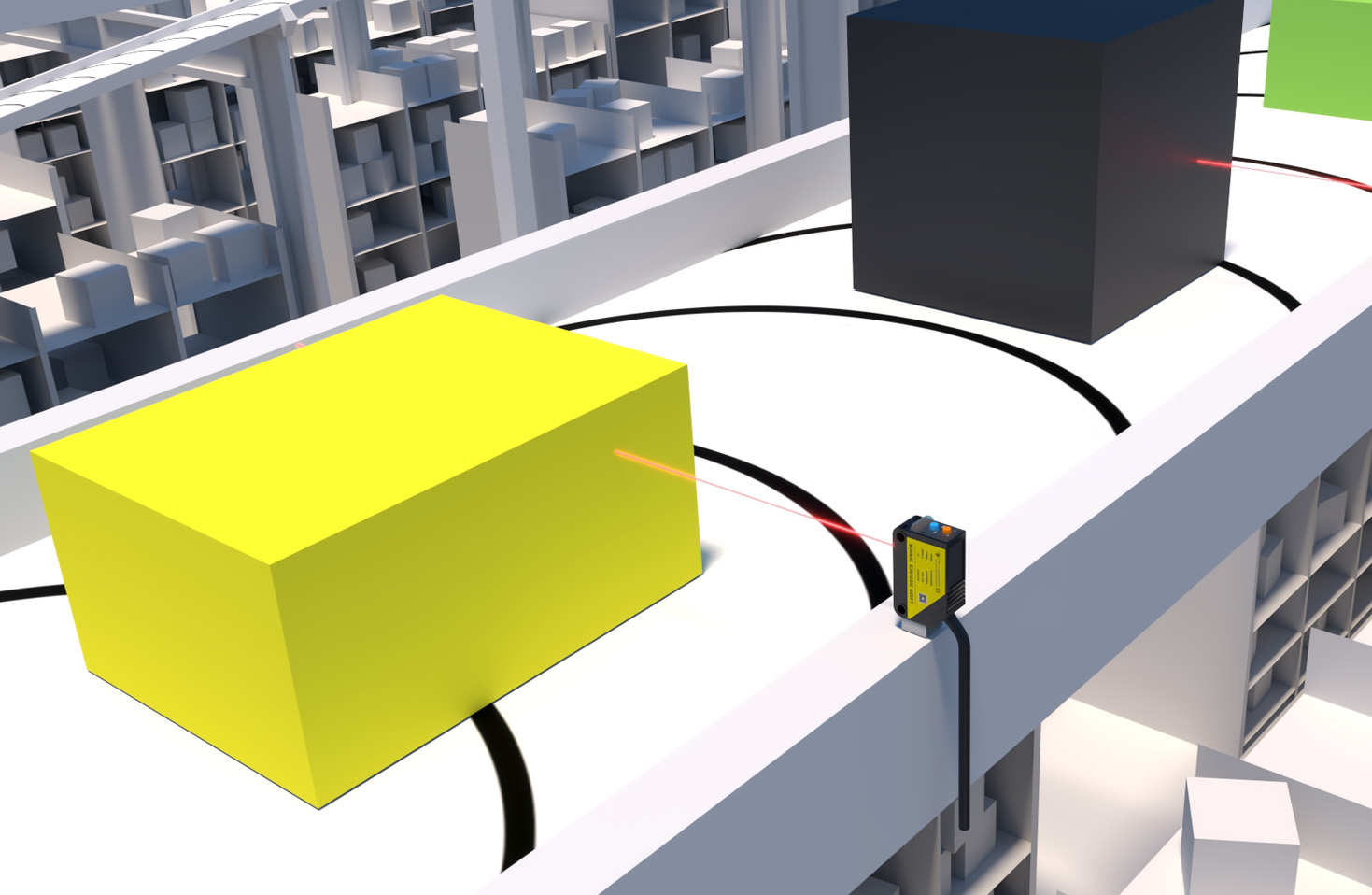
Banner Engineering and Balluff are also top-tier providers, especially for specific niche applications. Banner's Q4X series laser distance sensor, for example, is famous for its rugged, stainless-steel housing and reliable operation in washdown or dirty environments. Balluff offers high-quality laser sensors with strong IO-Link compatibility, facilitating seamless integration into Industry 4.0 data networks.
Beyond brand rankings, the core technology matters. Time-of-Flight (ToF) lasers are excellent for longer ranges and faster measurements over larger distances, common in logistics. Triangulation-based lasers are the gold standard for short-range, ultra-high precision tasks like thickness measurement or surface inspection. Laser confocal displacement sensors (like those from Micro-Epsilon) offer unparalleled accuracy for microscopic measurements on glossy or transparent surfaces.
When selecting a laser sensor, move beyond a simple ranking list. Follow this checklist: 1) Define your exact measurement need (distance, thickness, presence, profile?). 2) Determine the required accuracy, resolution, and repeatability. 3) Assess the environmental conditions (dust, moisture, vibration, ambient light). 4) Consider the required output interface (analog, digital, IO-Link, Ethernet). 5) Evaluate the total cost of ownership, including mounting, cabling, and software. Engaging with technical support and requesting sample testing under real conditions is always the most reliable final step.
The laser sensor market is dynamic, with continuous advancements in miniaturization, speed, and intelligence. The rankings highlighted here reflect current leadership, but the ultimate choice must be a strategic fit for your specific technical and operational requirements, ensuring optimal performance and return on investment in an automated world.