Introduction to Light Curtain Proximity Sensors
Light curtain proximity sensors, often referred to as safety light curtains or optical guards, represent a critical advancement in industrial safety and automation technology. These devices consist of a transmitter and a receiver that create an invisible curtain of infrared or visible light beams. When an object, such as a human hand or a tool, interrupts one or more of these beams, the sensor's control unit sends an immediate stop signal to the guarded machinery. Unlike traditional mechanical guards or single-beam sensors, light curtains provide a comprehensive, non-contact protective field that safeguards hazardous areas without impeding the operational workflow. Their primary function is to prevent accidents by ensuring dangerous machine motion ceases before a person can come into contact with moving parts. The technology has evolved from simple presence detection to sophisticated systems capable of object discrimination, speed monitoring, and integration with complex control networks, making them indispensable in modern manufacturing environments.
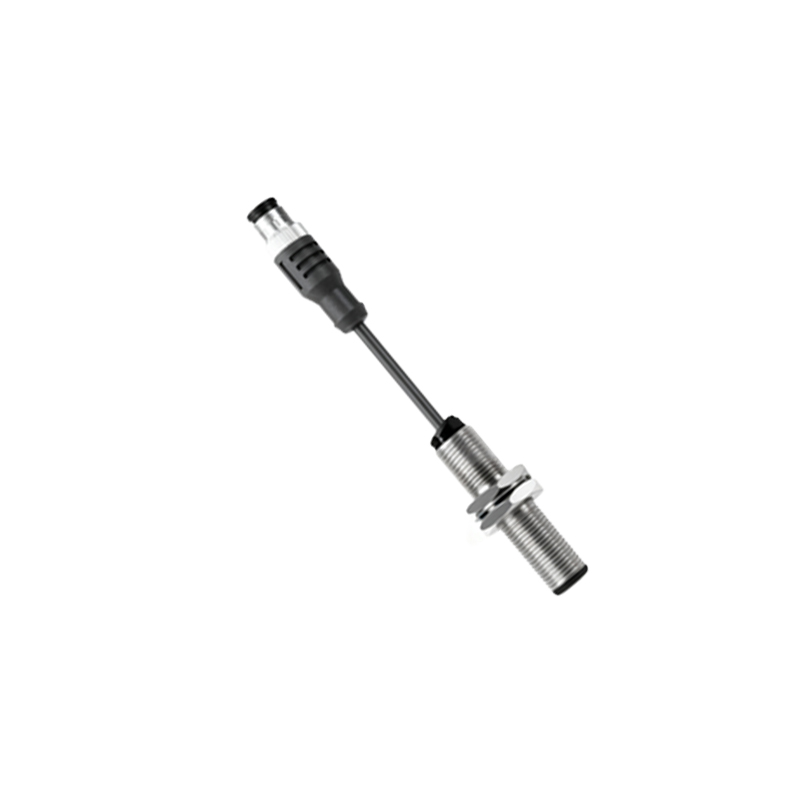
Core Function: Personnel Safety and Accident Prevention
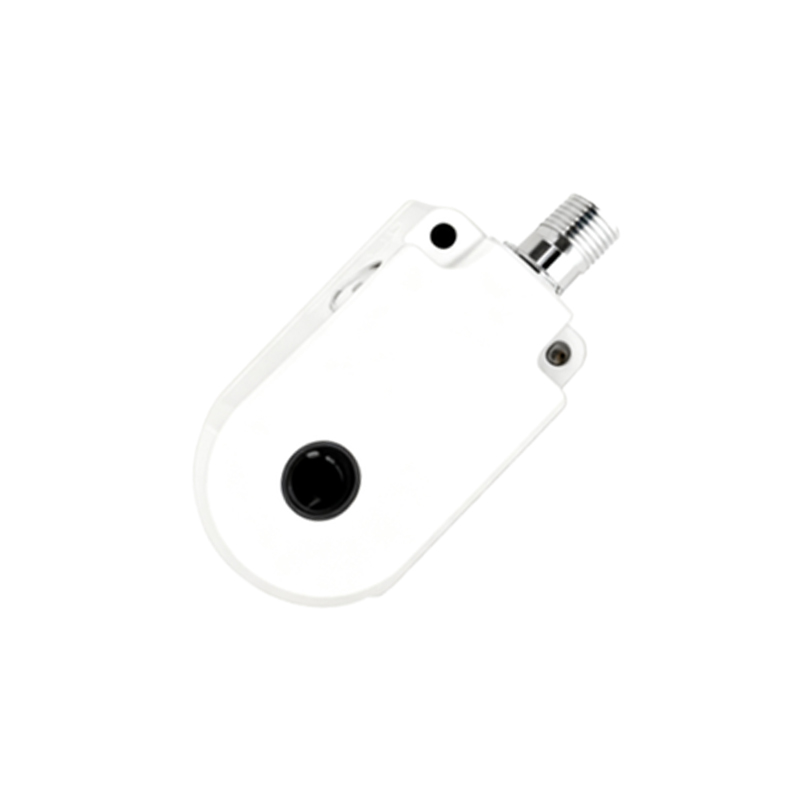
The most vital role of a light curtain proximity sensor is to protect personnel from injury. In settings like press brakes, robotic cells, molding machines, and automated assembly lines, the risk of crushing, shearing, or entanglement is high. By establishing an invisible barrier around the point of operation, these sensors act as the first line of defense. Upon beam interruption, the reaction time is measured in milliseconds, triggering an emergency stop (E-stop) or a safe halt procedure. This function is rigorously governed by international safety standards such as ISO 13849-1 and IEC 61496, which define Performance Levels (PL) and Safety Integrity Levels (SIL) for these devices. Modern safety light curtains can differentiate between a human body part and a benign object like a passing cart, thanks to advanced resolution settings (finger, hand, or body resolution), thereby reducing nuisance stops while maintaining the highest safety protocols.
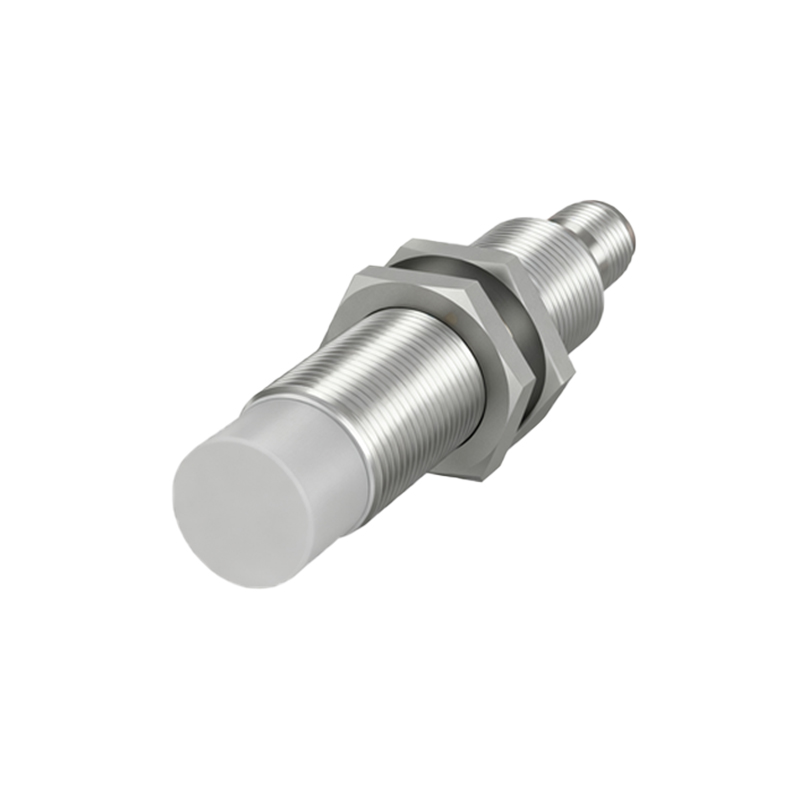
Enhancing Productivity and Operational Efficiency
Beyond pure safety, light curtain proximity sensors significantly contribute to operational efficiency. By replacing physical barriers or gates, they allow for faster and more flexible access to machinery for loading, unloading, maintenance, and tool changes. This reduces machine cycle time and minimizes production downtime. In material handling applications, such as conveyor systems, they can be used for precise object detection, counting, and sizing without physical contact, preventing product damage. Furthermore, in automated guided vehicle (AGV) systems, they serve as non-contact bumpers for obstacle detection, enabling smooth and safe navigation in dynamic warehouse environments. The ability to integrate these sensors with Programmable Logic Controllers (PLCs) and factory networks allows for sophisticated process control, data logging, and predictive maintenance, optimizing the overall equipment effectiveness (OEE).
Application in Access Control and Perimeter Guarding
Light curtains are extensively deployed for area access control and perimeter guarding. They can safeguard the entrance to hazardous zones, such as around large industrial robots or laser processing areas. By creating vertical or horizontal light screens at access points, they ensure that machinery only operates when the protected area is completely clear. Some systems feature a muting function, which allows the temporary and safe disabling of the light curtain—for example, to permit the passage of materials on a conveyor into the guarded zone—while continuously monitoring for unauthorized personnel entry. This application is crucial in maintaining a secure workflow in processes where materials must flow freely but human access must be strictly controlled during automatic cycles.
Role in Precision Positioning and Automation Sequencing
In high-precision automation, light curtains function as sophisticated proximity sensors for positioning and sequencing. They can detect the presence, absence, or precise position of components on an assembly line, triggering subsequent robotic actions. For instance, in automotive welding lines, a light curtain can verify the correct positioning of a car body before allowing robots to commence welding. Their high resolution and fast response make them ideal for delicate operations where physical sensors might cause damage or wear. This role blurs the line between safety device and precision control sensor, showcasing their versatility. They enable "safe automation" where protective functions and process control are seamlessly merged, ensuring both worker safety and flawless production quality.
Integration with Industry 4.0 and Smart Manufacturing
The evolution towards Industry 4.0 and the Industrial Internet of Things (IIoT) has expanded the role of light curtain sensors. Modern devices come equipped with advanced diagnostics, Ethernet connectivity (e.g., Ethernet/IP, PROFINET), and data exchange capabilities. They can transmit operational status, error logs, and event counts to central monitoring systems. This allows for predictive maintenance, where potential issues like lens contamination or alignment drift can be identified and addressed before causing a failure or safety compromise. In a smart factory, data from light curtains contributes to overall system analytics, helping managers