Introduction to Proximity Sensor Couplers
In the intricate landscape of industrial automation, the seamless interaction between sensors and control systems is paramount. Proximity sensor couplers serve as critical interface components in this ecosystem. Essentially, a proximity sensor coupler is a device designed to connect a non-contact proximity sensor, such as an inductive, capacitive, or photoelectric sensor, to a programmable logic controller (PLC) or other control units. Its primary function is to condition the sensor's signal, ensuring it is compatible with the input requirements of the controller. This involves amplifying weak signals, converting signal types, and providing electrical isolation to protect sensitive control electronics from voltage spikes, noise, and potential ground loops prevalent in harsh industrial environments.
Core Functions and Signal Conditioning
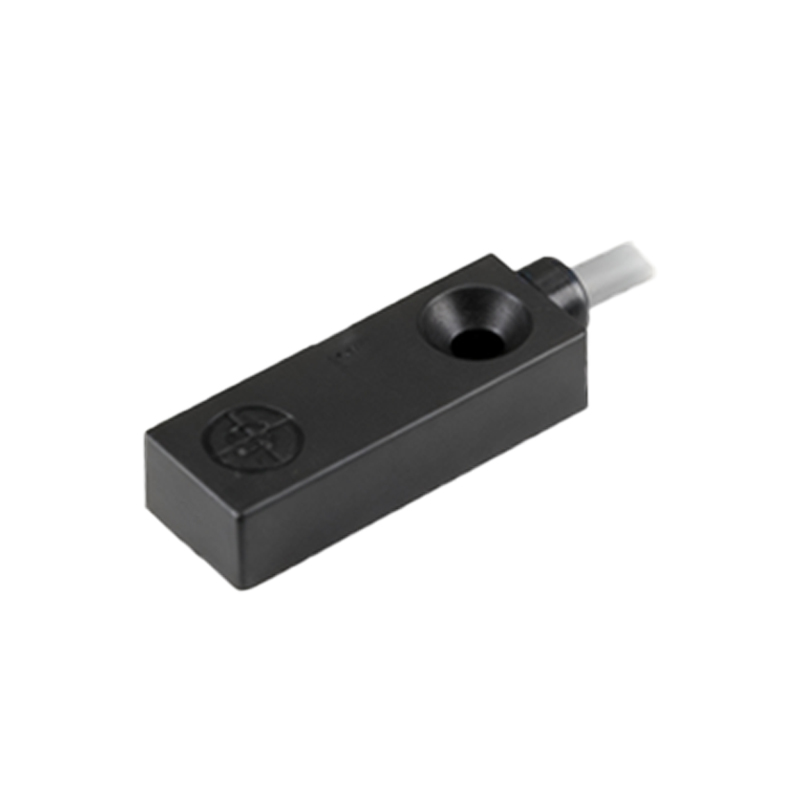
The fundamental role of a coupler revolves around signal conditioning. Raw signals from proximity sensors can be analog or digital but are often low-power or possess voltage/current characteristics mismatched with the PLC's input modules. A coupler acts as an intermediary, converting these signals into a robust, standardized format. For instance, it might convert a sinking sensor output to a sourcing input, or amplify a millivolt signal to a standard 24V DC signal. Furthermore, many advanced couplers incorporate diagnostics, such as LED indicators for signal status and short-circuit protection. This conditioning ensures reliable data transmission, minimizing false triggers and system downtime, which is crucial for maintaining high-speed production lines and precision machinery.
Electrical Isolation and System Protection
One of the most vital features provided by a high-quality proximity sensor coupler is galvanic isolation. Industrial settings are rife with electrical interference from motors, welders, and power lines. Without proper isolation, this noise can corrupt sensor signals, leading to erratic machine behavior or controller damage. The coupler creates a barrier, typically using optocouplers or transformers, separating the sensor circuit from the control circuit. This isolation prevents ground potential differences from causing damaging currents and shields the PLC from transient voltages. By safeguarding the control system, couplers significantly enhance the overall robustness, safety, and longevity of the automation installation.
Enhancing Flexibility and Simplifying Wiring
Proximity sensor couplers greatly enhance system design flexibility. They allow for the use of sensors with varying output types and voltage ratings on a single, standardized control platform. This is particularly beneficial in complex machines integrating sensors from multiple manufacturers. Moreover, couplers often come in modular or multi-channel designs, enabling the connection of several sensors to one compact unit. This centralized approach simplifies cabinet wiring, reduces terminal points, and minimizes installation time and cost. It also facilitates easier maintenance and troubleshooting, as technicians can monitor and replace channels individually without disrupting the entire sensor network.
Application in Diverse Industrial Scenarios
The application of proximity sensor couplers spans numerous industries. In automotive assembly, they ensure precise detection of metal components on conveyor belts. In packaging machinery, they interface photoelectric sensors to count products accurately. In material handling, couplers connect capacitive sensors to detect non-metallic materials like plastic or glass. Any application requiring reliable object detection in environments with electrical noise, temperature extremes, or vibration can benefit from the use of a dedicated coupler. They are the unsung heroes that enable sensors to perform consistently in challenging conditions, directly contributing to improved productivity, quality control, and operational safety.
Selection Criteria and Integration Best Practices
Selecting the appropriate proximity sensor coupler requires careful consideration. Key parameters include the sensor type (inductive, capacitive, etc.), output signal (PNP/NPN, analog, Namur), required input voltage for the controller, the number of channels needed, and the degree of isolation required. Environmental factors like operating temperature range, ingress protection (IP) rating, and compliance with industry standards (e.g., IEC, UL) are also critical. For optimal integration, it is recommended to follow manufacturer guidelines for wiring, ensure proper grounding, and group couplers logically within control panels. Regular inspection as part of preventive maintenance helps in early detection of potential failures.
Conclusion: The Integral Link in Automation
In summary, the proximity sensor coupler is far more than a simple connector; it is an integral, intelligent link in the automation signal chain. By performing essential signal conditioning, providing crucial electrical isolation, and offering wiring simplification, it ensures that the valuable data from proximity sensors is transmitted accurately and reliably to the control system. As industrial automation continues to advance towards greater connectivity and complexity, the role of reliable interface components like sensor couplers will only grow in importance, forming a foundational element for efficient, safe, and resilient manufacturing operations.