Introduction to Photoelectric Sensor Architecture
Photoelectric sensors are indispensable in modern industrial automation, enabling non-contact detection of objects through light-based technology. At their core, these devices convert light signals into electrical outputs, facilitating precise control in manufacturing, packaging, and safety systems. The efficiency and reliability of a photoelectric sensor hinge on its internal components, each playing a critical role in ensuring accurate detection across diverse environments. This article delves into the fundamental parts that constitute these sensors, exploring their functions, materials, and integration within broader systems.
Light Emitter: The Source of Detection
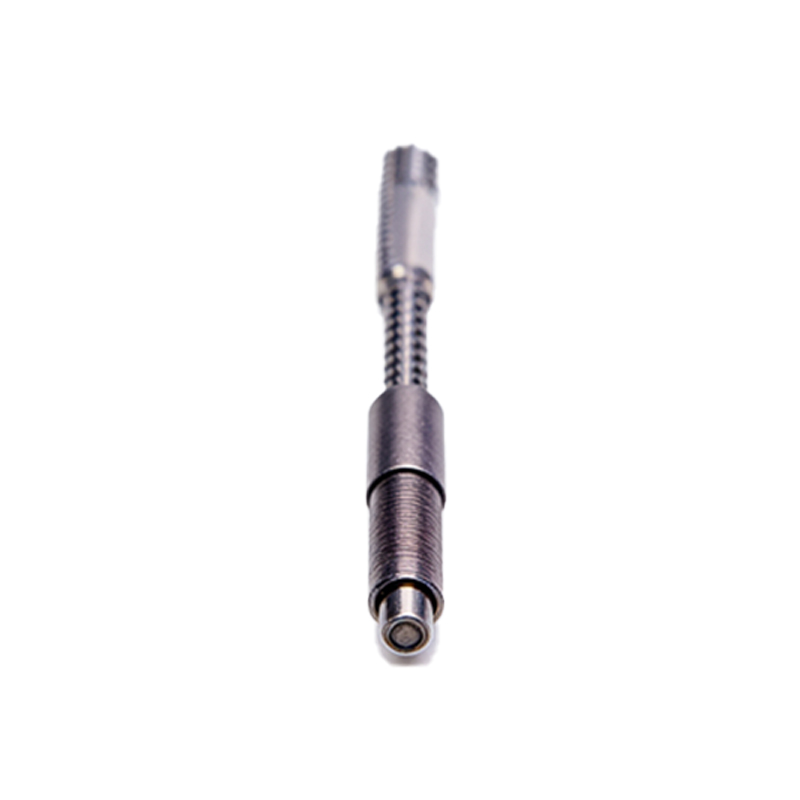
The light emitter serves as the origin of the sensing process, typically utilizing light-emitting diodes (LEDs) or laser diodes. LEDs are favored for their longevity, low power consumption, and cost-effectiveness, emitting visible red, green, or infrared light. Laser diodes offer focused beams for long-range or high-precision applications, such as in alignment or minute object detection. The choice of emitter wavelength—ranging from visible to near-infrared—depends on the target material and environmental conditions, with infrared being common for its resistance to ambient light interference. Advanced emitters incorporate modulation techniques, pulsing light at specific frequencies to enhance noise immunity and extend sensing distances.
Light Receiver: Capturing the Signal
Opposite the emitter, the light receiver detects changes in light intensity, converting them into electrical signals. Phototransistors or photodiodes are standard here, with phototransistors providing higher sensitivity for weak signals and photodiodes offering faster response times. The receiver is tuned to match the emitter's wavelength, often filtered to minimize background light effects. In diffuse or reflective sensor types, the receiver analyzes light reflected from the target, while in through-beam setups, it detects interruptions in a direct beam. Signal conditioning circuits within the receiver amplify and process the output, ensuring stable performance even in fluctuating conditions like dust or vibration.
Optical System: Focusing and Directing Light
The optical system comprises lenses, apertures, and housings that shape and direct light between emitter and receiver. Lenses, made from materials like polycarbonate or glass, focus emitted light into a narrow beam or widen it for broader coverage, depending on the sensing mode. Apertures control light entry to the receiver, reducing stray light and improving accuracy. In harsh industrial settings, sealed housings with IP ratings protect optical elements from contaminants like oil, moisture, or debris. Proper alignment of this system is crucial, as misalignment can lead to false triggers or reduced range, especially in long-distance applications.
Signal Processor and Output Circuitry
Once the receiver captures light data, the signal processor interprets it to determine the presence or absence of an object. Microcontrollers or analog circuits compare the signal against predefined thresholds, applying algorithms to filter out noise from ambient sources. Output circuitry then translates this decision into actionable signals, such as transistor switches (NPN or PNP), relay contacts, or analog voltage/current outputs. Modern sensors feature programmable logic, allowing customization for delays, timers, or multi-state outputs. This component ensures compatibility with PLCs and other control systems, enabling seamless integration into automated lines.
Housing and Connectivity Elements
The housing encases all internal parts, providing mechanical strength and environmental protection. Constructed from metals like stainless steel or plastics such as PBT, it withstands impacts, temperature extremes, and chemical exposure. Connectivity includes cable glands or connectors (e.g., M8 or M12 types) for power and signal transmission, with options for quick-disconnect or fixed wiring. Some housings incorporate indicators like LEDs for status monitoring, aiding in installation and troubleshooting. The design prioritizes ease of mounting, with threaded barrels or brackets for versatile attachment in tight spaces or on machinery.
Conclusion: Integration and Future Trends
Understanding these core components—emitter, receiver, optics, processor, and housing—empowers engineers to select and maintain photoelectric sensors effectively. As Industry 4.0 advances, innovations like IO-Link communication and smart sensors with self-diagnostics are enhancing component interoperability and data analytics. By focusing on robust design and material science, manufacturers continue to improve sensor durability and precision, driving efficiency in automated systems worldwide.