The global proximity sensor market is experiencing a significant transformation, driven by relentless automation and the proliferation of smart technologies across industries. These non-contact devices, capable of detecting the presence or absence of objects within a defined range without physical touch, have become fundamental components in modern manufacturing, automotive systems, consumer electronics, and beyond. The market's expansion is not merely linear; it is evolving in sophistication, application breadth, and technological integration.
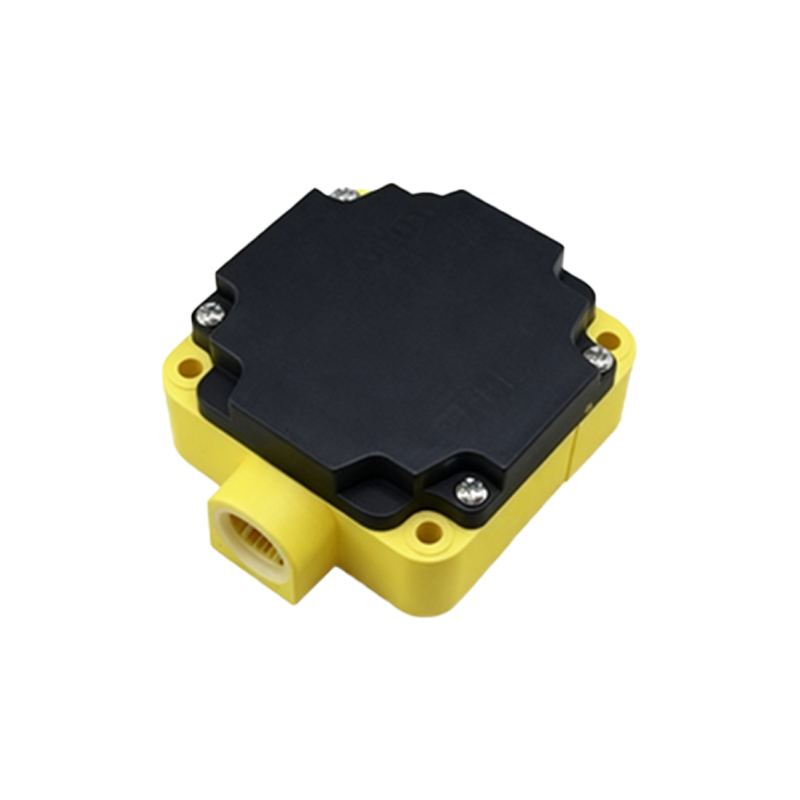
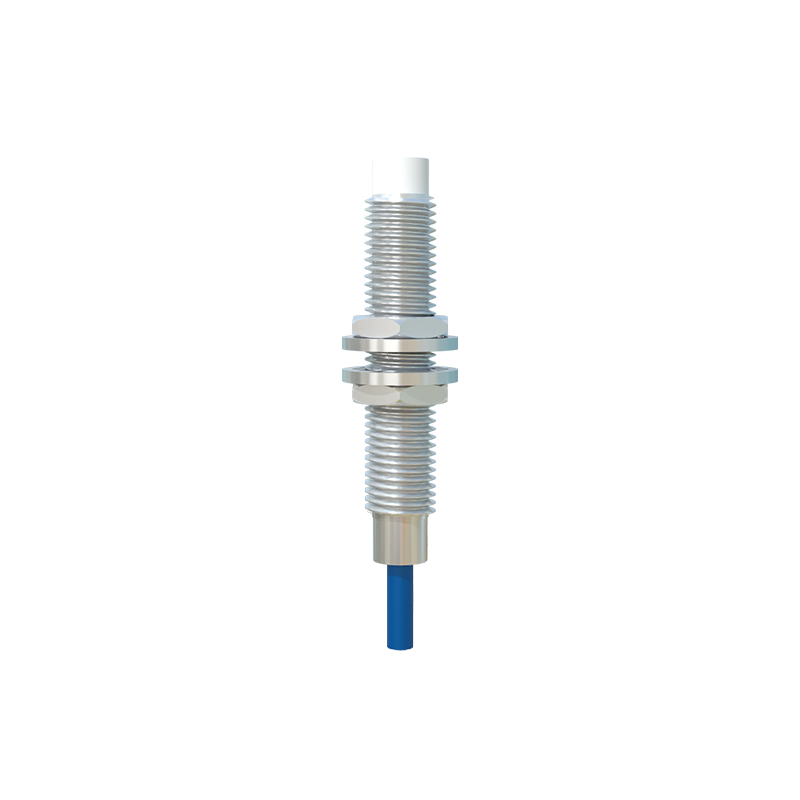
A primary catalyst for this growth is the Industry 4.0 revolution. Smart factories demand high levels of automation, precision, and data exchange. Proximity sensors, particularly inductive, capacitive, and photoelectric types, are crucial for tasks like object counting, position verification, and machine safety. They enable predictive maintenance by monitoring equipment conditions, thereby reducing downtime and operational costs. The demand for efficiency and lean manufacturing processes directly fuels the adoption of these sensors on assembly lines and robotic systems.
The automotive sector remains a cornerstone of the proximity sensor market. Advanced Driver-Assistance Systems (ADAS) and the journey toward autonomous vehicles rely heavily on sensors for parking assistance, blind-spot detection, collision avoidance, and gesture recognition within cabins. Ultrasonic and infrared proximity sensors are integral to these safety and convenience features. As electric vehicle (EV) production scales up, the need for precise sensing in battery management and automated charging systems presents new avenues for market players.
Consumer electronics is another dynamic frontier. The quest for seamless user interfaces has made proximity sensors ubiquitous in smartphones, tablets, and laptops. They manage screen blanking during calls, enable touchless gestures, and contribute to power saving. This segment demands miniaturization, low power consumption, and high reliability, pushing manufacturers toward innovative designs like combined ambient light and proximity sensors. The integration of these sensors into wearable devices and smart home appliances further broadens the market scope.
Emerging technologies are reshaping the competitive landscape. The development of LiDAR (Light Detection and Ranging) for high-resolution 3D mapping in autonomous vehicles and robotics represents a sophisticated extension of optical proximity sensing. Similarly, the integration of Internet of Things (IoT) connectivity allows proximity sensors to transmit data to cloud platforms for analytics, transforming them from simple detection devices into intelligent nodes within a larger data ecosystem. This connectivity is vital for applications in smart cities, such as traffic management and waste level monitoring.
However, the market trajectory faces certain challenges. Price sensitivity, especially in cost-driven consumer markets, can hinder the adoption of advanced sensor types. Technical limitations, such as the susceptibility of some optical sensors to ambient light interference or the limited range of inductive sensors, require continuous R&D investment. Furthermore, the complexity of integrating multiple sensor types (sensor fusion) for applications like autonomous driving demands significant expertise and raises system design challenges.
Looking ahead, the future appears robust. Key trends point toward the development of multi-functional sensors that combine proximity, pressure, and environmental sensing in a single package. The use of new materials and MEMS (Micro-Electro-Mechanical Systems) technology will enable smaller, more efficient, and cheaper sensors. Geographically, the Asia-Pacific region is poised to maintain its dominance as a manufacturing hub and a rapidly adopting market, particularly in China, Japan, and South Korea. Europe and North America will continue to lead in high-end automotive and industrial innovation.
In conclusion, the proximity sensor market is propelled by the twin engines of industrial automation and consumer technology innovation. Its growth is intertwined with broader megatrends like IoT, AI, and electrification. While challenges exist, the ongoing technological advancements and expanding application areas ensure that proximity sensors will remain indispensable, evolving from discrete components to intelligent elements of connected systems. The market's future lies not just in detecting presence, but in providing the contextual data necessary for smarter, more autonomous, and efficient operations across the global economy.