Introduction to Turbine Proximity Sensors
Turbine proximity sensors are critical components in modern industrial automation and machinery monitoring. These non-contact sensors are specifically designed to detect the presence, speed, and sometimes the direction of rotating turbine blades or other metallic targets. Operating on the principle of electromagnetic induction or eddy currents, they generate a high-frequency oscillating field. When a metallic turbine blade enters this field, it causes a change in the oscillation amplitude or frequency, which is then converted into a clear digital or analog output signal. This technology is favored for its robustness, high-speed capability, and reliability in harsh environments where physical contact is impractical or would cause wear.
Key Supply Considerations and Specifications
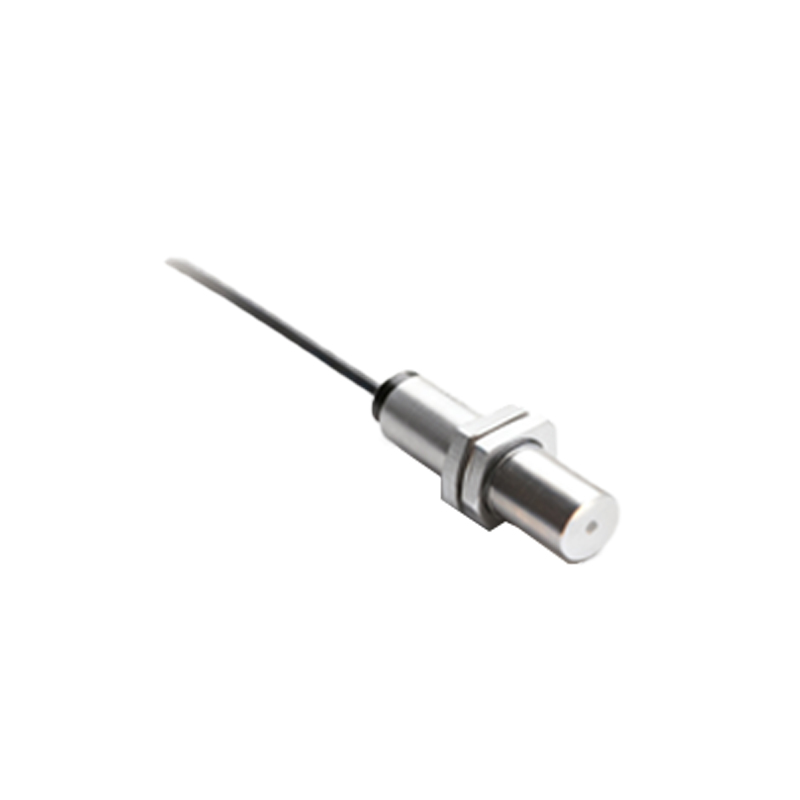
When sourcing turbine proximity sensors, several technical specifications demand careful evaluation. The sensing range, typically from a few millimeters up to several centimeters, must be precisely matched to the application's air gap requirements. Operating frequency or switching frequency is paramount for high-speed turbine applications, with top-tier models capable of detecting blades at speeds exceeding 50,000 RPM. Environmental ratings are non-negotiable; look for sensors with high IP (Ingress Protection) ratings like IP67 or IP69K for resistance to dust, oil, and high-pressure washdowns, and robust temperature ratings often spanning from -25°C to +85°C or higher. Output types, including NPN, PNP, or Namur, must be compatible with the existing control system architecture.
Material and Construction for Durability
The longevity of a turbine proximity sensor in demanding industrial settings is directly tied to its construction. High-quality sensors feature housings made from stainless steel (such as 303, 304, or 316 grades) or nickel-plated brass, offering excellent corrosion resistance. The sensing face is typically manufactured from a specialized, wear-resistant plastic like PBT or PPS to protect the internal coil and ensure stable sensing characteristics. Potting compounds are used to seal electronic components against vibration, moisture, and chemical exposure. This rugged design ensures consistent performance in the presence of vibration, mechanical shock, and aggressive coolants or lubricants common in turbine and rotational equipment installations.
Integration and Installation Best Practices
Proper installation is crucial for optimal sensor performance and longevity. Mounting must be secure to minimize vibration, which can induce signal noise. The alignment between the sensor face and the turbine blade tips must be precise and parallel to ensure a consistent and strong signal pulse for each passing blade. Electrical wiring should follow EMC guidelines, using shielded cables in grounded conduits where necessary to prevent electromagnetic interference from motors or variable frequency drives. Adequate clearance from other metal objects is required to prevent false triggering. Many suppliers provide comprehensive mounting brackets, adjustment tools, and detailed installation manuals to facilitate correct setup.
Leading Applications in Industry
The primary application of these sensors is in speed monitoring and overspeed protection for gas turbines, steam turbines, and turbochargers across power generation, oil & gas, and marine propulsion. They are indispensable in condition monitoring systems, providing real-time data on rotational speed for predictive maintenance algorithms to detect imbalance or shaft misalignment. Beyond turbines, they are extensively used in general rotational speed sensing on gearboxes, pumps, fans, and conveyor drives. In manufacturing, they serve as key components in high-speed indexing, synchronization, and precise position control on automated machinery.
Navigating the Global Supply Chain
The supply market for turbine proximity sensors includes global automation giants, specialized sensor manufacturers, and regional distributors. Key considerations when selecting a supplier include technical support capability, product certification (e.g., ATEX, IECEx for hazardous areas, SIL for functional safety), and the availability of customization options such as specific cable lengths, connector types, or special sensing ranges. A reliable supplier should offer a consistent quality audit trail, responsive lead times, and robust after-sales support. Evaluating a supplier's expertise in your specific industry vertical can provide significant value in application engineering and problem-solving.
Future Trends and Technological Advancements
The future of turbine proximity sensor supply is being shaped by Industry 4.0 and smart manufacturing trends. Newer sensors are incorporating IO-Link communication, enabling digital parameter setting, advanced diagnostics, and seamless integration into Industrial IoT networks. This allows for remote monitoring of sensor health and process data. Advancements in materials science are leading to sensors capable of withstanding even more extreme temperatures and pressures. Furthermore, miniaturization is enabling installation in space-constrained applications without sacrificing performance, opening new avenues for monitoring in compact turbine designs and portable equipment.