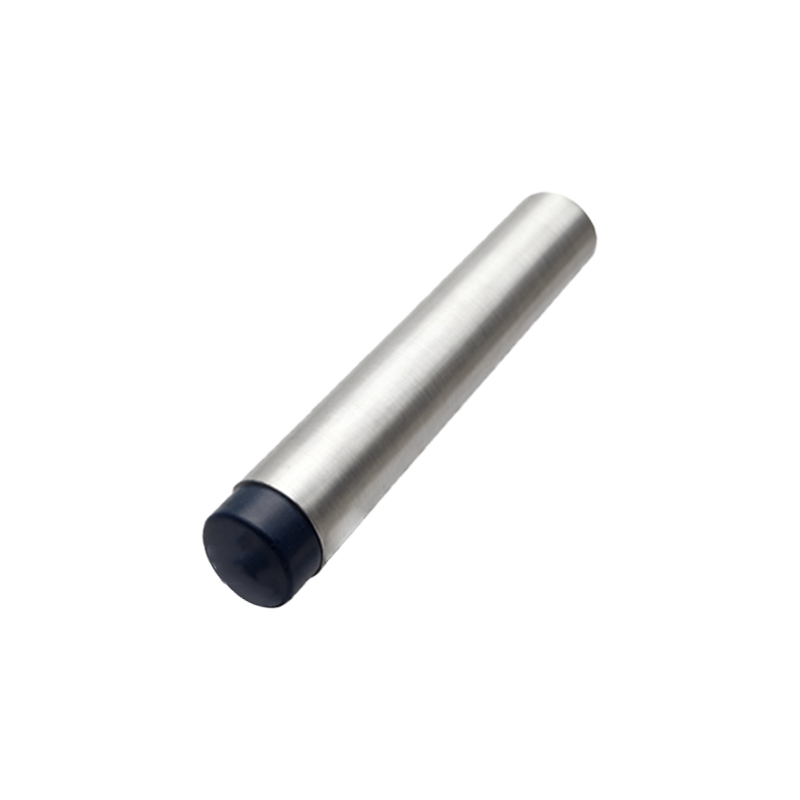
In the world of industrial automation and electronic control, detecting the presence, position, or motion of an object without physical contact is a fundamental requirement. Two of the most prevalent technologies for achieving this are Hall Effect sensors and proximity switches. While they share the common goal of non-contact sensing, their underlying principles, characteristics, and ideal applications differ significantly. Understanding these differences is crucial for selecting the right component for a specific task.
The Hall Effect sensor operates on a well-established physical principle discovered by Edwin Hall in 1879. When a current-carrying conductor or semiconductor is placed in a perpendicular magnetic field, a voltage difference, known as the Hall voltage, is generated across the material. This voltage is proportional to the strength of the magnetic field. In practical applications, a Hall Effect sensor is an integrated circuit that contains the sensing element, a signal amplifier, and often a Schmitt trigger for clean digital output. It detects changes in a magnetic field, typically caused by the movement of a permanent magnet. These sensors are highly sensitive and can measure both the presence and the strength of a magnetic field. They are commonly used for precise position sensing in brushless DC motors, speed detection in automotive crankshafts and camshafts, and in current sensing applications by measuring the field around a current-carrying conductor.
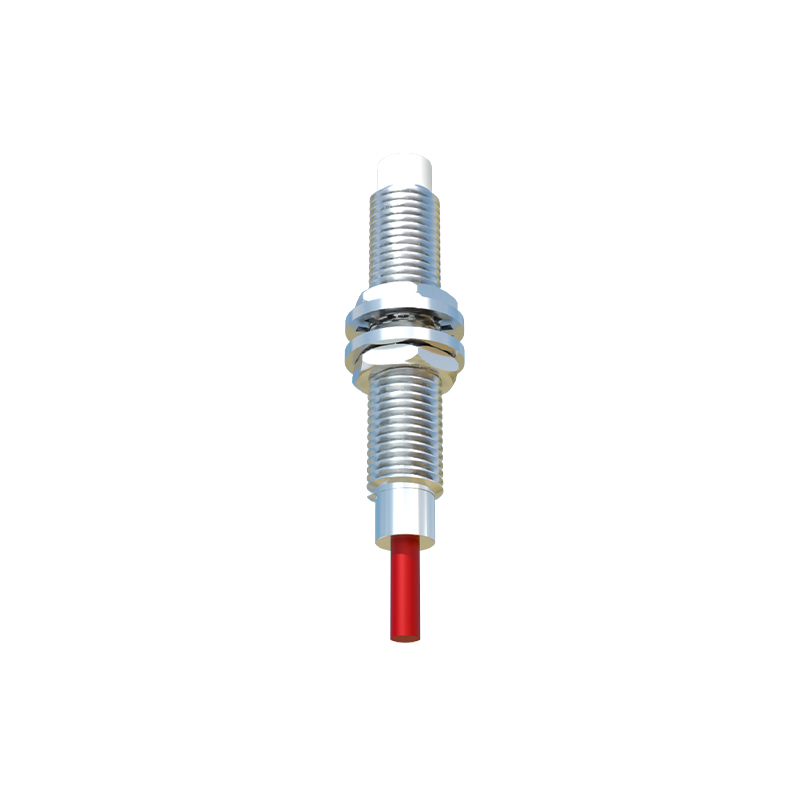
Proximity switches, on the other hand, is a broader category encompassing several technologies that detect the presence of an object within a certain range. The most common types are inductive, capacitive, and photoelectric. An inductive proximity switch generates an oscillating electromagnetic field from its sensing face. When a metallic object enters this field, it induces eddy currents, which dampen the oscillation. The sensor detects this change and triggers an output signal. These switches are robust, excellent for detecting metals, and widely used in harsh industrial environments for tasks like counting metal parts or detecting the position of a machine tool. Capacitive proximity switches can detect both metallic and non-metallic materials (like plastic, wood, or liquids) by sensing changes in capacitance caused by the object entering an electrostatic field. Photoelectric switches use a light beam (visible, infrared, or laser) and detect an object by either the interruption of the beam or its reflection.
The key distinctions are profound. First, the detection target: Hall Effect sensors specifically detect magnetic fields, while proximity switches detect the physical presence of an object, with the type depending on the technology. Second, sensing distance: Hall Effect sensors typically have a very short, precise range, often just a few millimeters, ideal for exact positional feedback. Inductive proximity switches offer ranges from a few millimeters to several centimeters. Third, output and precision: Hall Effect sensors can provide analog output proportional to field strength or a clean digital signal, allowing for high-resolution measurements. Standard proximity switches usually provide a simple digital on/off signal, indicating presence or absence within their detection zone. Fourth, environmental factors: Hall Effect sensors are generally immune to dust, oil, and non-magnetic contaminants. Inductive proximity switches are also very rugged but can be affected by certain metal chips or filings. Capacitive sensors can be influenced by humidity or material composition.
Choosing between them depends entirely on the application. For scenarios requiring precise measurement of rotational speed, linear position relative to a magnet, or current, the Hall Effect sensor is unparalleled. Examples include electronic throttle control, seat belt buckle detection, and smartphone flip covers. For general-purpose object detection on an assembly line, end-of-travel limit switching on machinery, or liquid level detection in a non-metallic tank, a proximity switch (inductive or capacitive) is typically the more straightforward and cost-effective solution. In automotive systems, you might find Hall sensors inside the transmission for gear position and inductive proximity switches on the chassis to detect wheel speed for the anti-lock braking system.
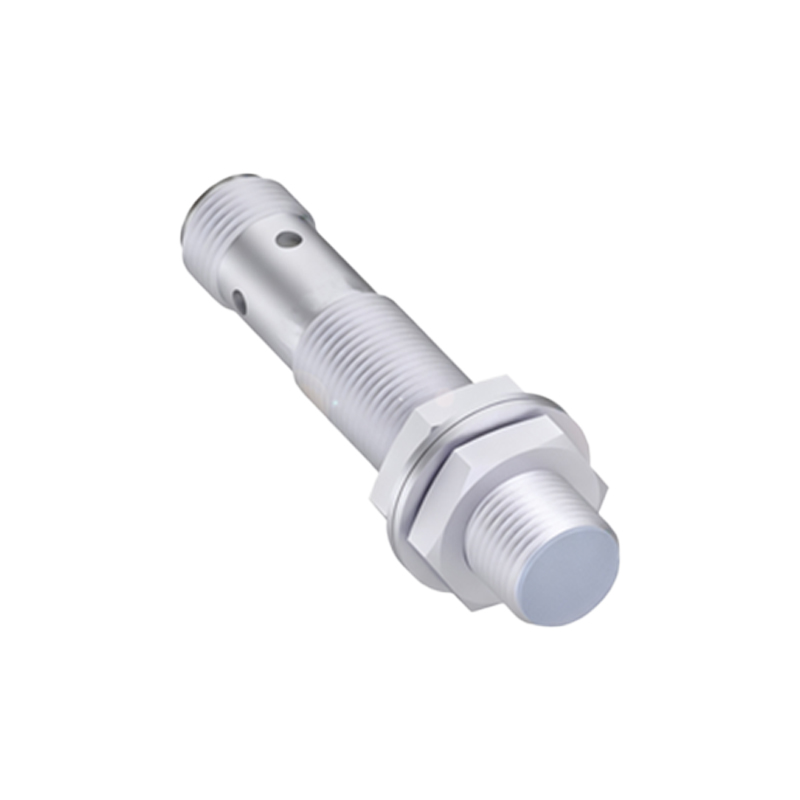
In conclusion, both Hall Effect sensors and proximity switches are indispensable tools in modern engineering. The former is a specialist, exquisitely tuned to magnetic phenomena, enabling precise control and measurement. The latter are versatile workhorses, reliably detecting a wide array of materials in demanding conditions. By clearly defining the target, required precision, environmental conditions, and output needs, engineers can confidently select the optimal sensing technology to build smarter, more efficient, and more reliable automated systems.