Introduction to Slot Type Photoelectric Sensors
A slot type photoelectric sensor, often referred to as a through-beam sensor in a self-contained unit, is a fundamental component in modern industrial automation. This sensor integrates both the light emitter (typically an LED) and the receiver (a phototransistor or photodiode) within a single U-shaped housing, creating a precise detection "slot" or gap. The operating principle is elegantly simple: the emitter projects a beam of light—often infrared, red, or laser—directly across the gap to the receiver. When an object passes through this slot, it interrupts the light beam, causing a change in the receiver's output state. This binary signal (ON/OFF) is then used to trigger actions in a control system, such as counting, positioning, or verifying the presence of components. Their self-contained nature eliminates the complex alignment required for separate emitter-receiver pairs, making them exceptionally reliable and easy to install in space-constrained environments.
Core Components and Operating Principles
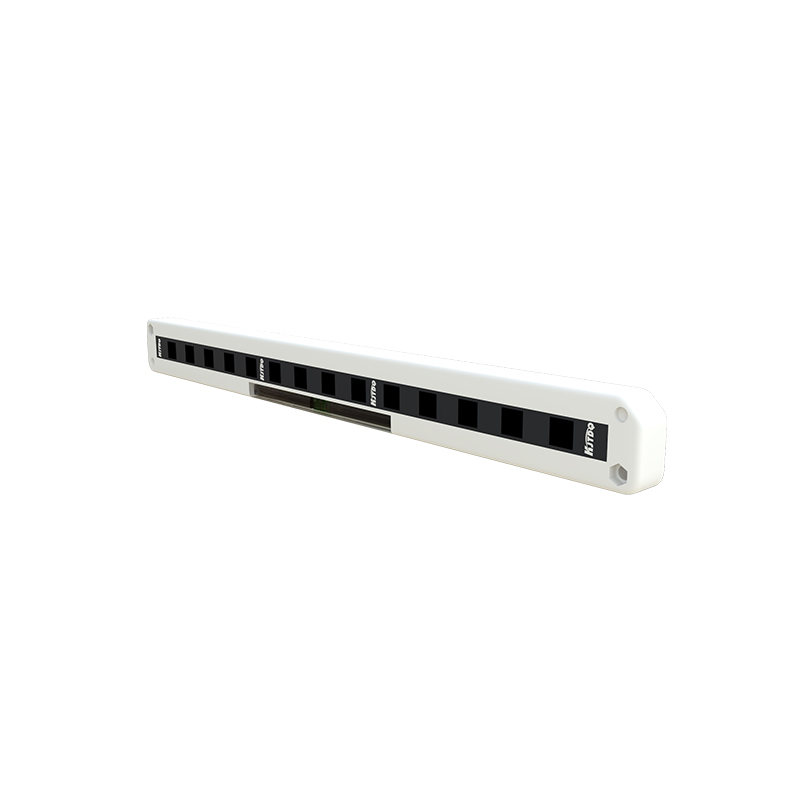
The internal architecture of a slot sensor is designed for robustness and precision. The light source is usually a modulated LED, which pulses at a high frequency. This modulation makes the sensor highly immune to ambient light interference from factory lighting or sunlight. The receiver is tuned to detect only this specific modulated frequency. The gap width, a critical specification, determines the maximum size of object that can reliably interrupt the beam. Common gap sizes range from a few millimeters for detecting small electronic components to several centimeters for larger objects. The output circuitry can be configured as NPN (sinking) or PNP (sourcing), and in light-ON or dark-ON modes, providing flexibility for integration with various programmable logic controllers (PLCs) and relay systems. Advanced models may feature built-in timers, logic functions, or analog outputs for specialized applications.
Key Advantages in Industrial Settings
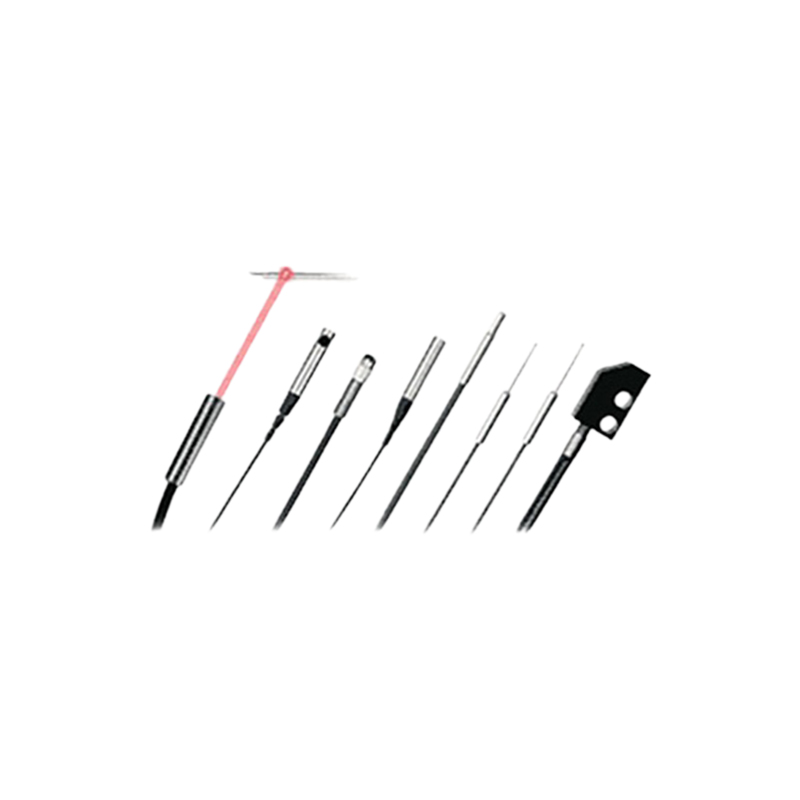
The primary advantage of slot sensors is their exceptional installation simplicity and alignment stability. Since the optical path is fixed at the factory, users are guaranteed perfect alignment, which drastically reduces setup time and eliminates drift issues common in separate-component systems. This inherent stability translates to high repeatability and long-term reliability, even in environments with significant vibration. Their compact, integrated design is ideal for mounting directly on machinery, conveyor frames, or robotic arms where space is at a premium. Furthermore, the physical slot acts as a natural guide, helping to position objects accurately for detection. This makes them perfect for high-speed counting and verification tasks where precision and speed are paramount, often operating at response times in the microsecond range.
Common Applications and Use Cases
Slot type photoelectric sensors are ubiquitous across manufacturing and packaging lines. A classic application is paper detection in printers and copiers, where they sense the leading edge of paper to synchronize printing operations. In automated assembly, they are used to verify the presence of a part (like a screw or seal) before a process proceeds. On conveyor systems, they perform precise object counting and bottle cap detection. They are also instrumental in security systems, acting as door interlock sensors to ensure safety gates are closed before machinery operates. In the textile industry, they detect thread breakage. Their ability to detect very small, opaque objects—like semiconductor chips or medication pills—makes them indispensable in electronics and pharmaceutical manufacturing.
Selection Criteria and Installation Best Practices
Selecting the right slot sensor requires careful consideration of several parameters. First, determine the required slot width and depth to accommodate the target object. Next, consider the sensing object: its material, size, and color. While ideal for opaque objects, transparent or translucent materials may require sensors with special optical filters or higher sensitivity settings. Environmental factors are critical; for washdown areas, sensors with high IP (Ingress Protection) ratings (e.g., IP67, IP69K) are necessary. Electrical compatibility (voltage, output type) with the control system must be confirmed. During installation, ensure the sensor is securely mounted to prevent movement. Keep the slot clean from dust, oil, or debris, as contamination can scatter or block the light beam, causing false triggers. Regular maintenance and cleaning of the lens apertures are recommended for sustained optimal performance.
Comparison with Other Photoelectric Sensor Types
It is useful to contrast slot sensors with other photoelectric modes. Diffuse (proximity) sensors reflect light off the target object back to a receiver in the same housing. They are simpler for detecting objects without a opposing mounting point but are more sensitive to object color and surface finish. Retro-reflective sensors use a reflector to bounce the beam back, offering a longer range than diffuse but can be fooled by shiny objects. Through-beam sensors, with separate emitter and receiver units, provide the longest range and highest reliability for large-scale detection but require precise alignment. The slot sensor occupies a unique niche: it offers the alignment-free convenience and compactness of a diffuse sensor with the high reliability and immunity to object surface properties of a through-beam system, albeit with a limited, fixed sensing gap.
Future Trends and Technological Developments
The evolution of slot type photoelectric sensors continues alongside Industry 4.0. Modern sensors are becoming smarter, incorporating IO-Link communication protocols. This allows for remote parameter configuration, real-time diagnostics (e.g., reporting lens contamination or LED aging), and seamless integration into digital twin systems. There is also a trend toward miniaturization, enabling their use in increasingly compact micro-assembly equipment. Enhanced resistance to harsh chemicals and extreme temperatures expands their application range. Furthermore, the integration of background suppression technology in some advanced slot models allows for more precise detection within the slot, ignoring objects beyond a set distance. As automation demands greater precision, reliability, and data connectivity, the humble slot sensor will continue to be a vital, intelligent component on the factory floor.