Understanding Proximity Sensor Vulnerability in Cold Climates
Proximity sensors, the workhorses of industrial automation for detecting object presence without physical contact, face significant challenges during winter months. While robust in design, their operational reliability can plummet in freezing conditions. The core issue isn't merely the low temperature itself but the combination of thermal stress, environmental factors, and material science limitations. Most industrial proximity sensors are rated for operation down to -25°C (-13°F), but real-world conditions often push systems beyond their specified limits or create failure modes not apparent in controlled testing. The fundamental operating principles—whether inductive, capacitive, or ultrasonic—rely on stable electrical and magnetic properties, which cold can drastically alter. This seasonal vulnerability leads to unplanned downtime, production losses, and increased maintenance costs, making winter preparedness a critical aspect of plant management.
The Primary Culprits: Condensation and Ice Formation
The most direct and damaging winter threat is moisture ingress leading to condensation and ice. When a sensor housed in a colder environment, such as an unheated warehouse or outdoor application, is exposed to moist air, condensation forms on both its housing and, critically, its active sensing face. This water layer can freeze, creating an insulating barrier of ice. For inductive sensors, this ice layer alters the electromagnetic field, causing false triggers or a complete loss of sensing capability. For capacitive sensors, ice significantly changes the dielectric constant, leading to erratic behavior. Even sealed sensors (IP67/IP68) are not immune if temperature cycling causes breather valves to ingest moisture or compromises seal integrity through material contraction.
Material Contraction and Mechanical Stress
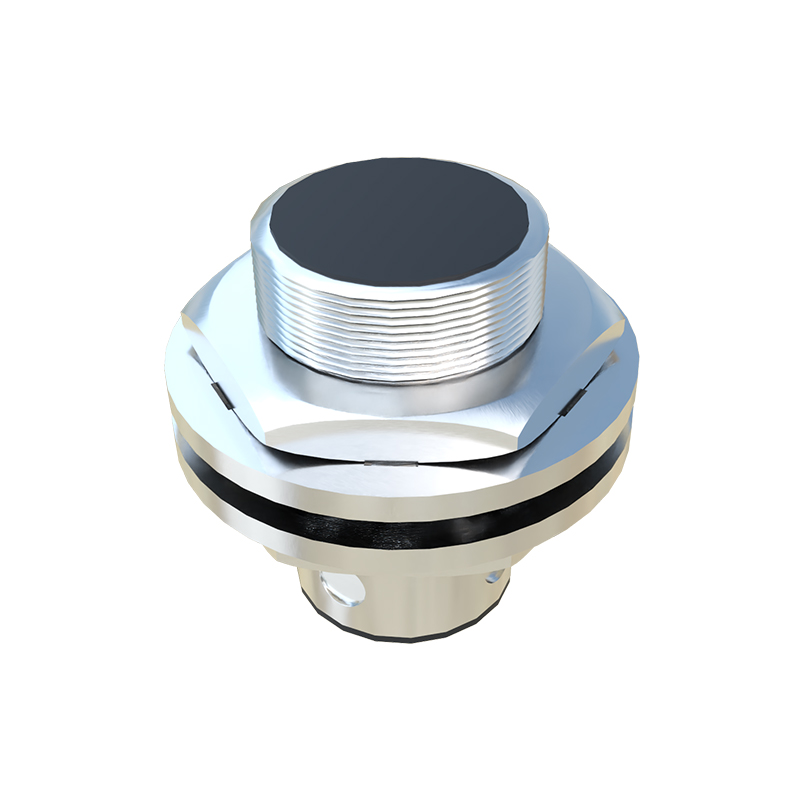
Cold temperatures cause materials to contract. Different materials within the sensor assembly—such as the metal housing, plastic face, PCB, and potting compound—have different coefficients of thermal expansion. This differential contraction induces mechanical stress on solder joints, wire bonds, and internal components. Over repeated winter cycles, this stress can lead to cracked solder joints, broken wires, or separation of the potting material from the housing, creating micro-gaps for moisture entry. Furthermore, the physical contraction of the sensor's housing can slightly alter the position of the internal coil or oscillator circuit, shifting its sensing range and sensitivity outside calibrated tolerances, resulting in intermittent failures.
Fluid Thickening and Hydraulic System Impacts
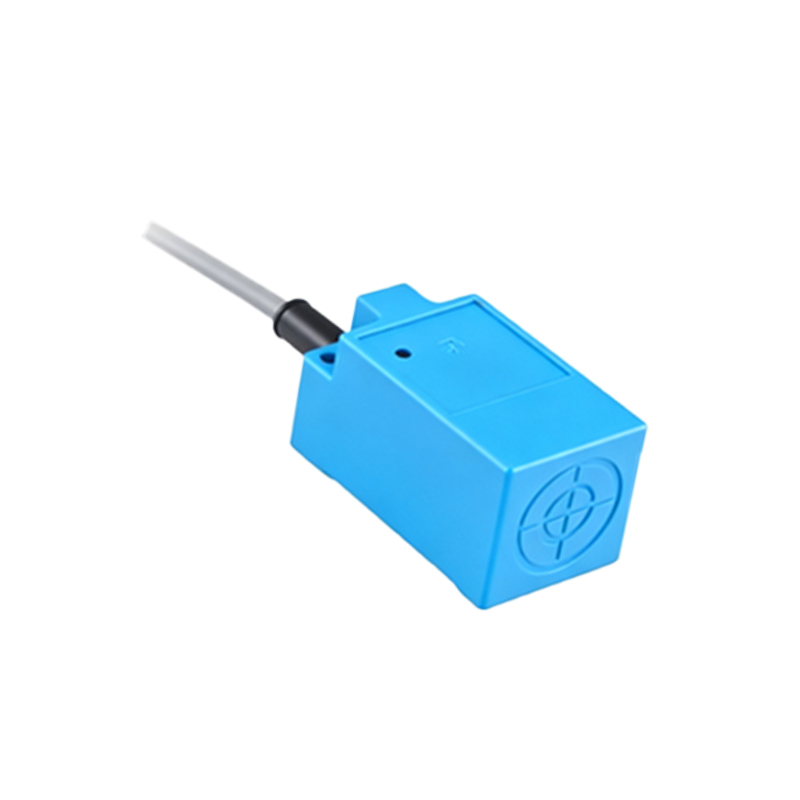
In applications where proximity sensors monitor hydraulic cylinder position or valve actuation, winter brings another layer of complexity: fluid thickening. Standard hydraulic oils and lubricants can become viscous in the cold, causing sluggish system response. Sensors detecting the position of a piston may encounter delayed movement, leading to timing errors in the control logic. More severely, thickened fluid can prevent a target from reaching the sensor's detection point altogether, mimicking a sensor failure. This issue is often misdiagnosed as a faulty sensor when the root cause lies in the changed properties of the surrounding medium, requiring a holistic view of the entire mechanical system.
Power Supply and Electronic Component Limitations
The electronic components inside a proximity sensor have specified operating temperature ranges. In extreme cold, the behavior of semiconductors, capacitors, and oscillators changes. Capacitance values can drift, oscillator frequencies may shift, and signal amplifiers can behave unpredictably. Additionally, power supplies themselves can become less stable in cold environments, delivering voltage spikes or drops that the sensor's internal circuitry is not designed to handle. A battery-backed system or one with unstable line voltage compounds this problem. These electronic drifts manifest as reduced sensing range, increased response time, or complete operational failure when the circuit can no longer maintain stable oscillation.
Proactive Prevention and Mitigation Strategies
Preventing winter-related failures requires a proactive, layered approach. First, select sensors with appropriate temperature ratings, opting for models specifically designed for cold climates, often featuring extended-range components and robust sealing. Second, implement physical protection: install protective shrouds or baffles to shield sensors from direct wind, snow, and spray. For critical sensors, consider installing regulated, low-wattage heating elements or thermal insulation jackets to maintain the sensor body above the dew point, preventing condensation. Third, establish a winterization maintenance routine: inspect seals, clean sensing faces of salt and grime, and verify electrical connections are tight before the cold season.
Installation Best Practices for Harsh Environments
Proper installation is a cost-effective defense. Always mount sensors in a downward-facing orientation where possible to prevent water and snow accumulation on the sensing face. Ensure conduit entries are at the bottom of junction boxes to avoid creating a moisture trap. Use drip loops in cabling. For very harsh environments, consider purging systems that use dry, instrument air to create a positive pressure inside an enclosure housing the