Introduction to Photoelectric Sensors
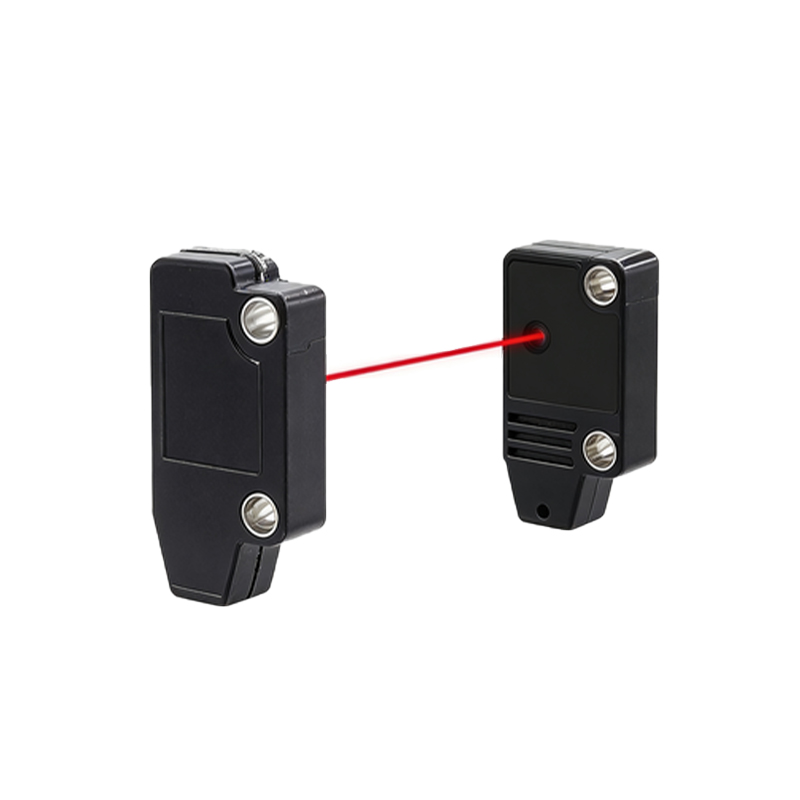
Photoelectric sensors are versatile devices widely used in industrial automation for detecting the presence, absence, or position of objects. They operate by emitting a light beam, typically infrared, visible, or laser light, and measuring changes in the received light intensity caused by an object interrupting or reflecting the beam. These sensors are favored for their non-contact operation, high precision, and reliability in harsh environments. Common types include through-beam, retro-reflective, and diffuse reflective sensors, each suited for specific applications based on distance, object properties, and environmental conditions. Their ability to function without physical contact reduces wear and tear, making them ideal for repetitive tasks in manufacturing, packaging, and material handling industries.
Primary Functions of Photoelectric Sensors
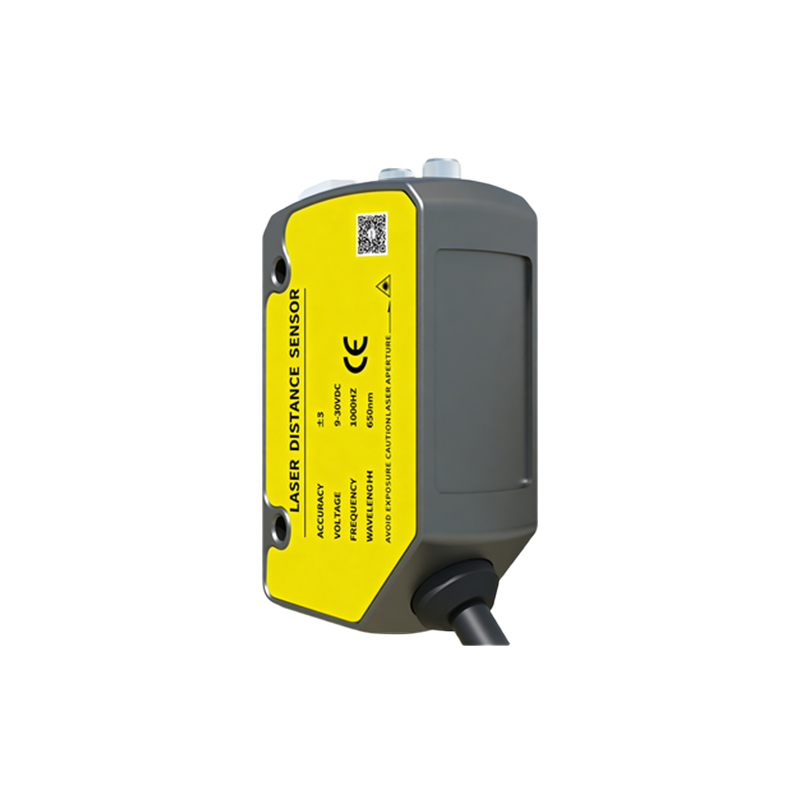
The core functions of photoelectric sensors revolve around detection and measurement. Firstly, they excel in presence detection, identifying whether an object is present at a specific point, such as on a conveyor belt or in an assembly line. This is crucial for process control and safety monitoring. Secondly, they perform position sensing, determining the exact location of components in automated systems, which aids in alignment and robotic guidance. Thirdly, they enable counting and sorting tasks by detecting objects as they pass by, facilitating inventory management and quality control. Additionally, some advanced sensors can measure distance or thickness using triangulation or time-of-flight principles, providing valuable data for precision engineering applications.
Key Applications in Industrial Settings
In industrial environments, photoelectric sensors are integral to various operations. In manufacturing, they monitor production lines, ensuring parts are correctly placed and assembled, thereby reducing errors and increasing efficiency. For example, in automotive plants, sensors detect car parts during welding or painting processes. In packaging, they verify label placement, check fill levels, and confirm seal integrity, enhancing product consistency. Material handling systems rely on these sensors to manage conveyor flow, prevent jams, and guide automated guided vehicles (AGVs). Moreover, in safety systems, they create light curtains to protect workers from machinery hazards, triggering shutdowns when breaches occur. Their adaptability to different light sources and housings allows use in dusty, wet, or high-temperature areas.
Advantages Over Other Sensor Types
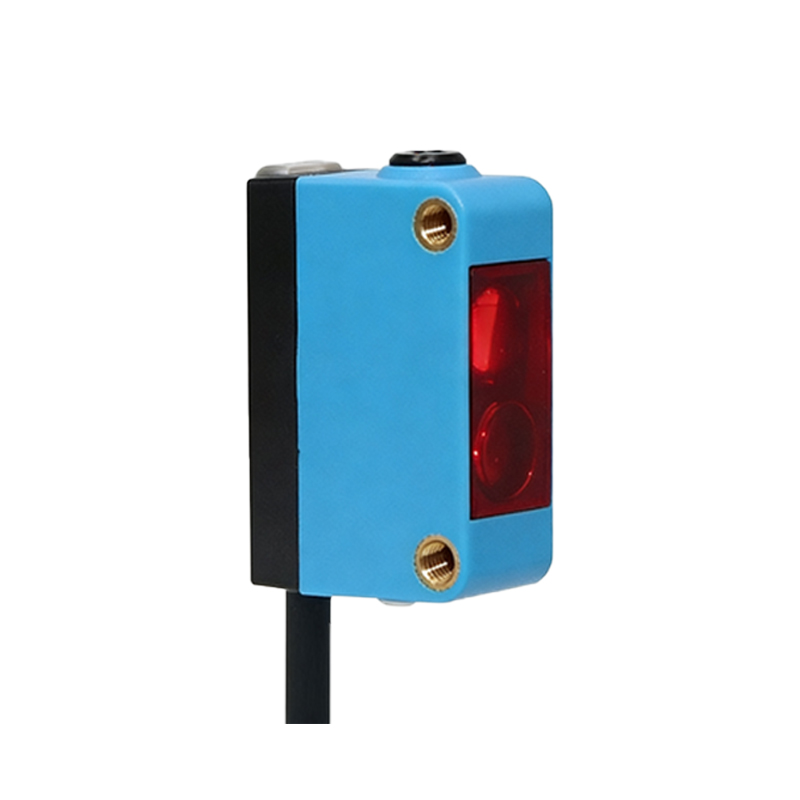
Compared to mechanical or capacitive sensors, photoelectric sensors offer distinct benefits. Their non-contact nature eliminates friction, leading to longer lifespans and minimal maintenance. They provide fast response times, often in milliseconds, suitable for high-speed applications like bottling or electronics manufacturing. With a wide sensing range, from a few millimeters to several meters, they accommodate diverse object sizes and materials, including transparent or shiny surfaces when using polarized filters. They are also highly accurate, with minimal false triggers due to advanced technologies like background suppression or fiber optics. Energy efficiency is another plus, as many models consume low power, aligning with sustainable industrial practices.
Selection Criteria and Installation Tips
Choosing the right photoelectric sensor involves considering factors such as sensing distance, object characteristics, and environmental conditions. For long-range detection, through-beam sensors are optimal, while diffuse types work well for shorter distances and varied surfaces. It's essential to account for ambient light interference, dust, or vibrations, selecting sensors with robust enclosures (e.g., IP67 ratings) and adjustable sensitivity. During installation, ensure proper alignment of emitter and receiver, avoid obstructions in the light path, and regularly clean lenses to maintain performance. Calibration may be needed for distance measurement models. Integrating sensors with PLCs or controllers via standard outputs (like NPN/PNP) enhances system compatibility and data logging.
Future Trends and Innovations
The future of photoelectric sensors is shaped by Industry 4.0 and smart manufacturing trends. Innovations include miniaturization for compact devices, enabling use in tight spaces like medical equipment or consumer electronics. Enhanced connectivity through IO-Link or Ethernet protocols allows real-time data transmission and remote monitoring, supporting predictive maintenance and IoT integration. Advances in light sources, such as LED and laser diodes, improve energy efficiency and detection accuracy for challenging materials. Additionally, AI-powered sensors with embedded intelligence can adapt to changing environments, reducing setup time and boosting reliability. As industries automate further, these sensors will play a pivotal role in creating flexible, efficient, and safe production ecosystems.