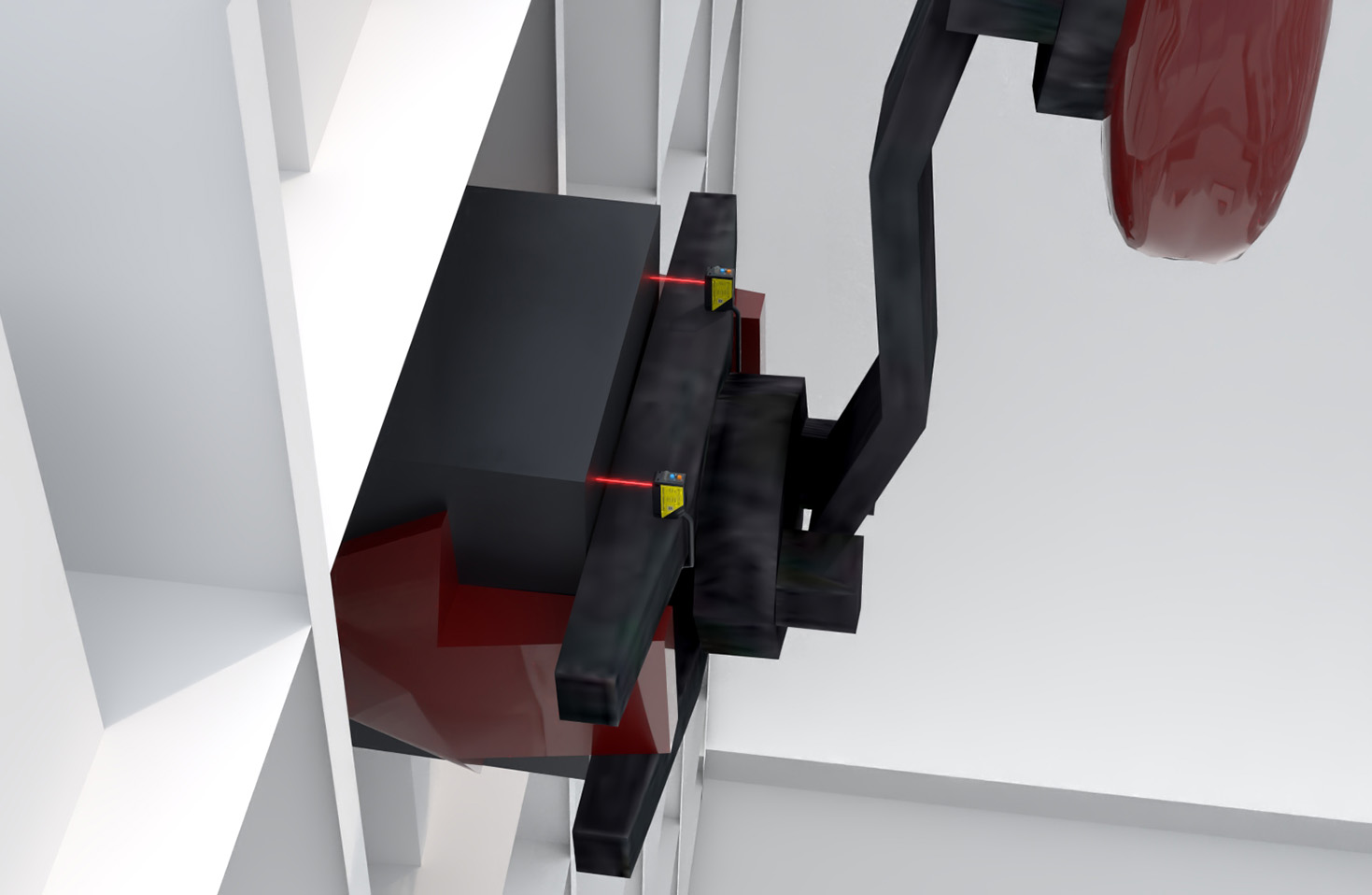
Line laser sensors have become indispensable tools across various industries due to their precision, speed, and versatility. These sensors project a thin, focused line of laser light onto a target surface. By analyzing the deformation or displacement of this line, they capture highly accurate 2D or 3D profile data. This non-contact measurement principle enables applications where traditional tactile methods fail, particularly in delicate, high-speed, or harsh environments.
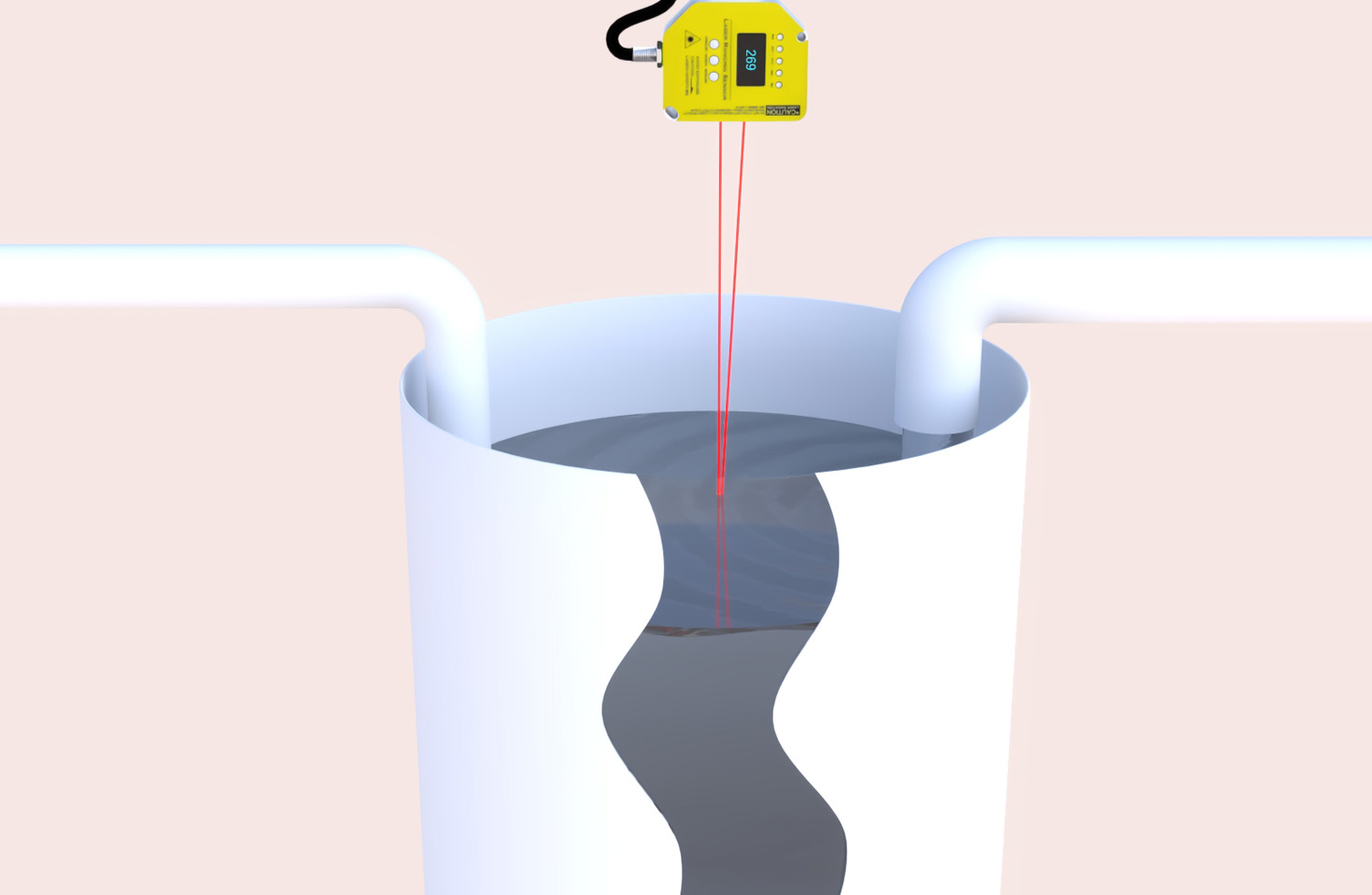
In manufacturing and quality control, line laser sensors are fundamental for automated inspection. They perform rapid dimensional checks, verifying the size, shape, and presence of components on assembly lines with micron-level accuracy. For instance, in electronics manufacturing, they scan circuit boards to detect soldering defects, component misalignment, or warping. In automotive production, they ensure precise gap and flush measurements between body panels, contributing to superior build quality and aerodynamic performance. The food and pharmaceutical industries leverage these sensors for fill-level monitoring, package integrity checks, and label inspection, ensuring compliance with strict safety and regulatory standards.
Another critical application is in robotics and guidance systems. Robots equipped with line laser vision can accurately locate parts for picking, placing, and assembly. This enables bin picking from unstructured piles, a significant challenge in logistics and warehousing. Furthermore, in autonomous mobile robots (AMRs) and automated guided vehicles (AGVs), these sensors create detailed maps of the surrounding environment, detecting obstacles, navigating complex paths, and ensuring safe operation alongside human workers.
The realm of reverse engineering and 3D scanning heavily relies on line laser technology. Portable or fixed scanning systems can digitize the surface geometry of objects, from small mechanical parts to large architectural structures. This data is crucial for creating CAD models, performing digital archiving, or facilitating repairs and reproductions when original blueprints are unavailable. In cultural heritage, this allows for the non-invasive documentation of artifacts and historical sites.
Furthermore, line laser sensors are pivotal in surface defect detection. They can identify scratches, dents, cracks, or contamination on materials like metal sheets, glass, plastics, and painted surfaces. By scanning at high speeds, they provide 100% inspection coverage, which is impossible with manual sampling. This is vital in industries like steel production, semiconductor fabrication, and precision optics, where surface quality is paramount.
The advantages of line laser sensors are clear: high resolution, fast data acquisition, and robustness. They operate effectively in challenging conditions with dust, vibration, or variable lighting, thanks to their active illumination. As integration with machine learning and industrial IoT platforms advances, their capabilities are expanding. Smart sensors can now not only capture data but also perform real-time analysis and decision-making, pushing the boundaries of automation towards predictive maintenance and zero-defect manufacturing.
In conclusion, the application of line laser sensors is a cornerstone of modern industrial digitization. From ensuring micrometer precision in microchips to guiding multi-ton vehicles in smart factories, their role in enhancing efficiency, quality, and safety continues to grow, solidifying their status as a key enabling technology for Industry 4.0 and beyond.