Introduction to Proximity Sensor Environmental Testing
Proximity sensors are critical components in modern automation, robotics, and industrial control systems. Their primary function is to detect the presence or absence of an object without physical contact, typically using electromagnetic fields, light, or sound. Given their deployment in diverse environments—from frozen food processing plants to the engine compartments of vehicles—ensuring their operational reliability across a wide temperature spectrum is paramount. High and low temperature testing is not merely a quality check; it is a fundamental validation of a sensor's design integrity, material selection, and long-term durability. This rigorous testing simulates the extreme thermal conditions a sensor may encounter throughout its lifecycle, providing essential data for engineers and end-users.
The Science Behind Temperature-Induced Failures
Temperature extremes can induce a variety of failure modes in proximity sensors. At low temperatures, materials contract. This thermal contraction can alter critical mechanical tolerances, leading to cracked housings, separated seals, or misaligned internal components. Furthermore, the viscosity of lubricants increases, potentially causing sluggish response in moving parts of inductive or mechanical sensor types. Electronic components, such as oscillators and amplifiers, may experience parameter drift, leading to shifts in sensing distance or complete operational failure. Conversely, high temperatures accelerate material aging. Plastics may become brittle or deform, seals can degrade and lose their hermetic properties, and soldered joints are susceptible to thermal fatigue. Semiconductor performance degrades, leakage currents increase, and overall circuit stability is compromised. Understanding these failure mechanisms is the first step in designing an effective test protocol.
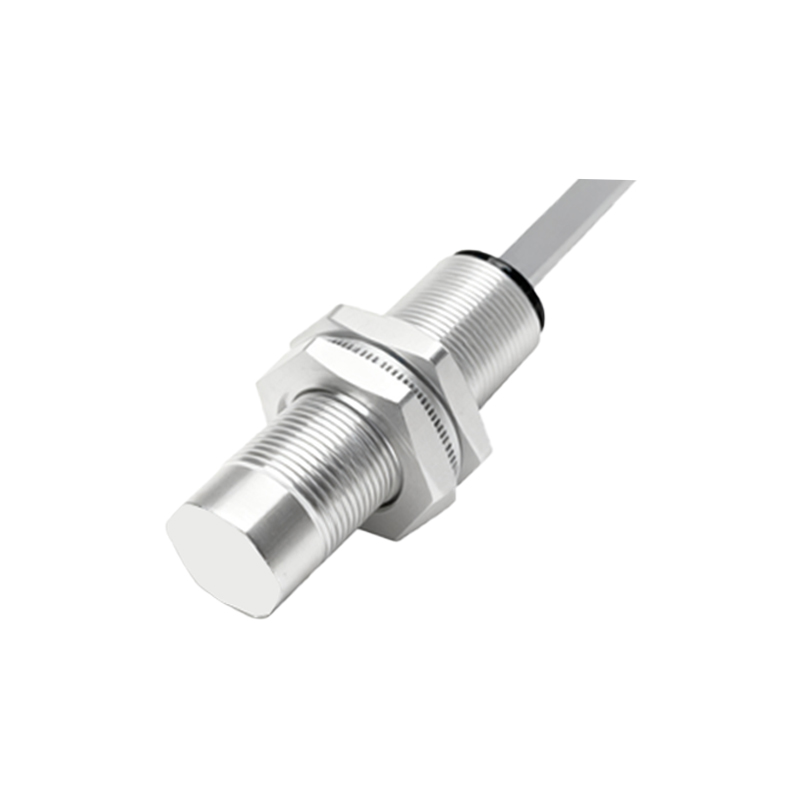
Standardized Testing Protocols and Chambers
Professional high and low temperature testing is conducted within specialized environmental chambers. These chambers provide precise control over temperature, and often humidity, according to internationally recognized standards. Key standards include IEC 60068-2-1 (Cold tests), IEC 60068-2-2 (Dry heat tests), and the more comprehensive IEC 60068-2-14 (Change of temperature tests). A typical test profile involves several phases. First, the sensor is stabilized at a standard ambient temperature (e.g., 25°C). It is then subjected to a ramp-down to the specified low-temperature extreme (e.g., -40°C). After a sufficient soak time to ensure thermal equilibrium throughout the unit, functional tests are performed to verify operation. The same process is repeated for the high-temperature extreme (e.g., +85°C or +125°C for automotive-grade sensors). Critical parameters monitored during these tests include the nominal sensing distance, hysteresis, repeatability, output signal stability, and current consumption.
Key Performance Metrics Under Thermal Stress
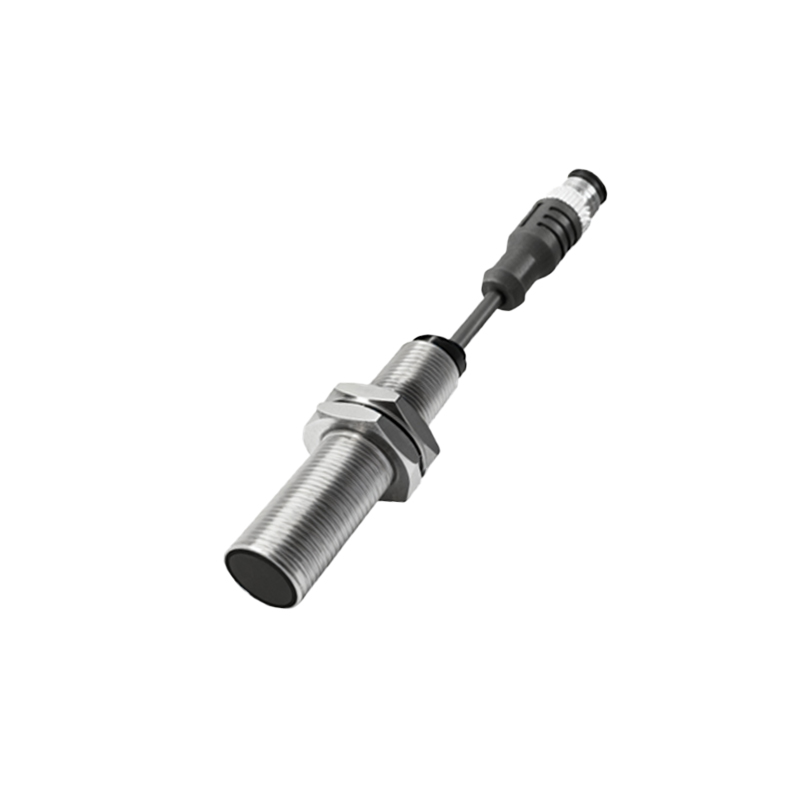
During temperature cycling, specific performance metrics are scrutinized. The shift in nominal sensing distance (Sn) is a primary indicator. A sensor must maintain its specified Sn within a defined tolerance band across the temperature range. Excessive drift can cause system malfunctions. Hysteresis, the difference between the switch-on and switch-off points, should also remain stable. An increase in hysteresis at low temperatures might indicate mechanical binding or electronic lag. Response time is another critical metric; it must not degrade beyond acceptable limits. For analog output sensors, the linearity and stability of the output signal under thermal stress are vital. Additionally, the test evaluates the sensor's ability to return to its original specifications after returning to room temperature, assessing any permanent damage or parametric shift caused by the thermal exposure.
Material and Design Considerations for Robustness
The results of temperature testing directly inform sensor design and material selection. Enclosure materials like PBT or PPS plastics are chosen for their high thermal stability and low coefficient of thermal expansion. For extreme environments, stainless steel housings are preferred. Internal potting compounds must remain flexible at low temperatures and not outgas or become conductive at high temperatures. The selection of semiconductors, often specified for industrial or automotive temperature ranges (-40°C to +125°C), is crucial. Designers must also consider thermal management, ensuring that heat generated by the sensor's own electronics does not push it beyond its operational limits. Proper sealing techniques, using elastomers like FKM (Viton) that maintain elasticity across a wide temperature range, are essential for ingress protection (IP ratings) which can be compromised by thermal cycling.
Application-Specific Testing Scenarios
Testing parameters are tailored to the sensor's intended application. Automotive sensors, for instance, undergo tests per AEC-Q100 or ISO 16750 standards, enduring temperatures from -40°C to over +140°C for under-hood components. They also face rapid thermal shock tests simulating sudden exposure to elements like cold spray or engine heat. Sensors for outdoor use in climate monitoring must withstand prolonged exposure to solar radiation