Introduction to SFN18N Photoelectric Sensor
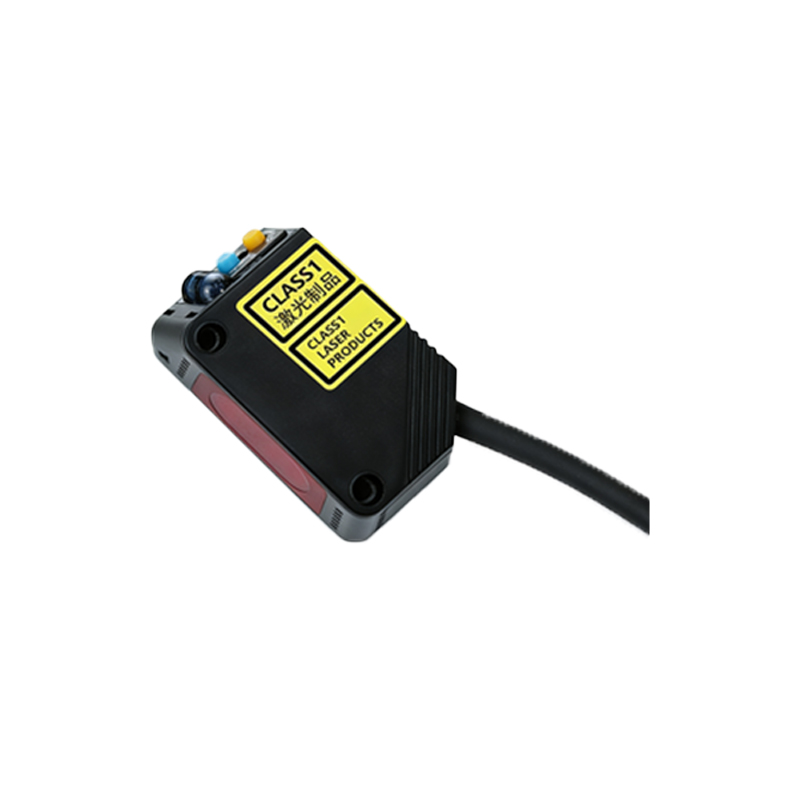
The SFN18N series represents a robust line of through-beam photoelectric sensors engineered for demanding industrial automation applications. Characterized by its compact housing and high-performance optical system, this sensor is designed to deliver reliable object detection across various challenging environments. Its core functionality relies on a modulated infrared light beam transmitted from the emitter unit to a separate receiver unit. Detection occurs when an object interrupts this beam, triggering a clean switching signal. This fundamental principle makes the SFN18N exceptionally suitable for precise detection tasks where accuracy and immunity to ambient light are paramount. The series is often the preferred choice for applications requiring long sensing distances or detection of small, transparent, or low-reflectivity objects that might challenge diffuse reflection sensors.
Key Technical Specifications and Operating Principles
The SFN18N operates with a modulated infrared light source, typically at a wavelength of 880 nm, which provides excellent immunity to ambient light interference from factory lighting. The maximum sensing distance, or beam length, can extend up to 15 meters (approximately 49 feet) for standard models, ensuring versatility in layout design. The sensor features a response time in the millisecond range, enabling high-speed detection on fast-moving production lines. It offers both Light-ON and Dark-ON operation modes, configurable via wiring or built-in switches, allowing the output logic to be set as normally open (NO) or normally closed (NC) based on application needs. The housing is constructed from durable, industrial-grade plastic or metal, providing IP67 or higher ingress protection ratings against dust and water jets, making it suitable for washdown environments.
Electrical Characteristics and Output Configurations
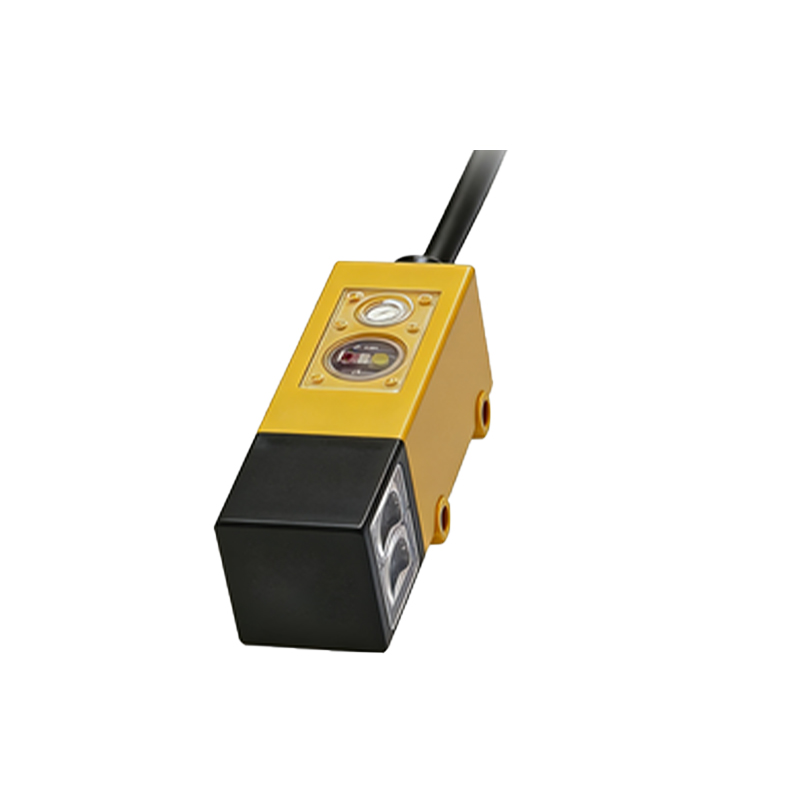
The SFN18N sensor is available in multiple voltage ranges to accommodate global standards, commonly supporting 10-30V DC. The solid-state NPN or PNP output (sourcing or sinking) is short-circuit and reverse polarity protected, enhancing system reliability. The load current capacity is typically around 100mA, sufficient to directly drive relays, PLC inputs, or indicator lamps. A stable LED status indicator is integrated into both the emitter and receiver units, providing clear visual confirmation of power status, beam alignment, and output activation. This immediate feedback is crucial for rapid installation, troubleshooting, and maintenance procedures, minimizing machine downtime.
Installation Guidelines and Beam Alignment
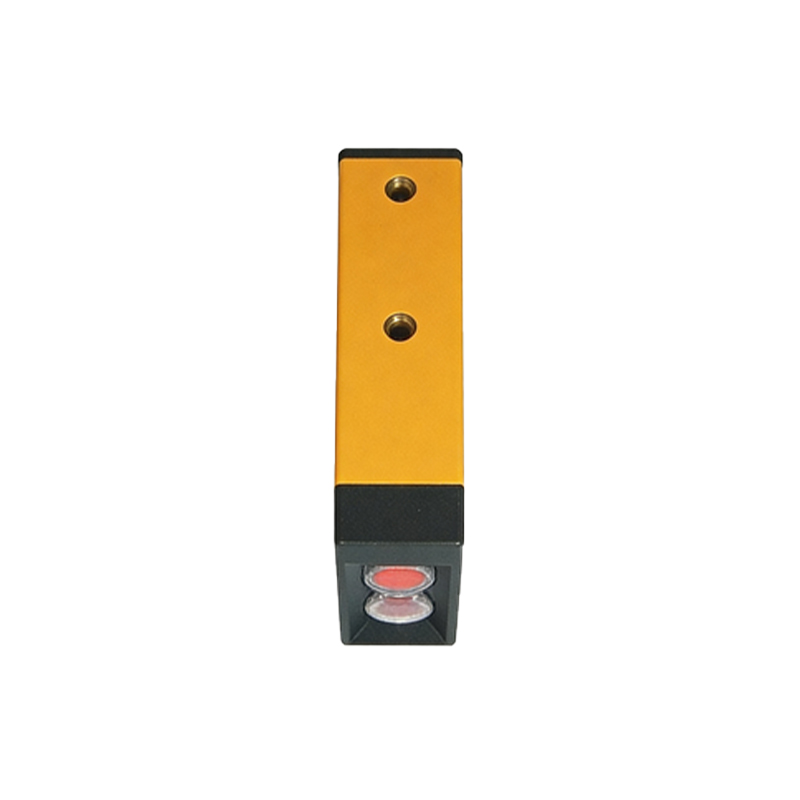
Proper installation is critical for optimal performance. The emitter and receiver must be securely mounted on stable surfaces, aligned precisely along the same optical axis. Mounting brackets are often used to facilitate fine adjustments. The alignment process is simplified by the sensor's alignment indicator LEDs, which change state or intensity as the beam path becomes correctly established. It is essential to ensure the lens surfaces remain clean and free from obstructions, condensation, or buildup of dirt, which can attenuate the light signal. For long-range applications, using a manufacturer-recommended alignment tool can significantly improve accuracy and reduce commissioning time.
Application Scenarios and Industry Use Cases
The through-beam design of the SFN18N makes it ideal for numerous industrial scenarios. Common applications include object presence verification on conveyor belts, piece counting in packaging machinery, detection of transparent bottles or films in bottling plants, and position sensing in material handling systems. It is also extensively used in safety systems as part of intrusion detection or gate monitoring, where reliable beam break detection is non-negotiable. In automated storage and retrieval systems (AS/RS), these sensors provide precise cart and load positioning. Their robustness also allows deployment in harsh areas like woodworking, metalworking, and automotive assembly plants.
Troubleshooting Common Operational Issues
Several typical issues may arise during operation. Intermittent detection or failure often stems from misalignment due to vibration; re-securing and realigning the units is the first step. A consistently activated output without an object present could indicate lens contamination or damage, requiring cleaning or replacement. If the receiver does not respond, verify the power supply voltage, wiring connections, and output load. Electrical noise in the environment can sometimes cause erratic behavior; ensuring proper shielding and separation from high-power cables is advised. Always consult the specific datasheet for diagnostic LED blink codes that indicate particular fault conditions.
Maintenance, Safety, and Compliance Standards
Routine maintenance involves periodic visual inspection and cleaning of lenses with a soft, lint-free cloth. Avoid using abrasive or chemical cleaners that could damage the optical surface. The SFN18N series is designed and tested to comply with relevant international standards for industrial control equipment, which may include IEC/EN 60947-5-2 for proximity sensors, CE marking for the European market, and other regional certifications. When used as part of a safety-related control system, it must be integrated according to applicable machinery safety standards (e.g., ISO 13849), noting that a standard through-beam sensor alone does not constitute a safety-rated device unless specifically certified as such (e.g., Type 4 ESPE).