Introduction to Cylindrical Proximity Sensors
Cylindrical proximity sensors, often referred to as barrel-style sensors, are ubiquitous components in modern industrial automation. Their primary function is to detect the presence or absence of a target object without any physical contact. Operating on principles such as inductive, capacitive, or magnetic fields, these sensors are characterized by their elongated, tubular metal or polymer housing. This design is engineered for easy installation into standard mounting holes, providing a robust and reliable sensing solution in harsh environments. Their widespread adoption across manufacturing, packaging, and material handling sectors underscores their fundamental role in ensuring process efficiency, safety, and control.
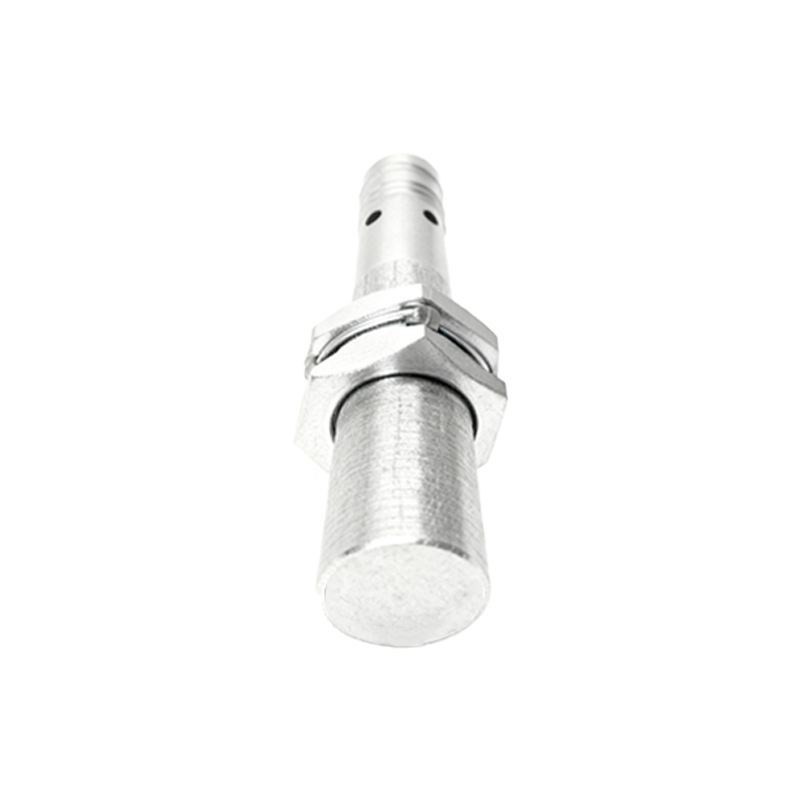
Key Advantages of Cylindrical Proximity Sensors
The popularity of cylindrical proximity sensors stems from a compelling set of advantages. First and foremost is their exceptional durability and resilience. Housed in sturdy materials like nickel-plated brass or stainless steel, they offer high degrees of protection against ingress (typically IP67 or higher), vibration, and mechanical shock. This makes them ideal for demanding applications where exposure to coolants, metal chips, or extreme temperatures is common. Secondly, their non-contact sensing principle eliminates mechanical wear and tear, leading to a significantly longer operational lifespan compared to mechanical limit switches. The absence of physical contact also allows for high-speed detection, enabling them to sense objects at rates far exceeding the capabilities of tactile devices. Furthermore, their simple, standardized form factor allows for straightforward mounting and replacement, reducing installation time and maintenance complexity. Many models also feature LED status indicators for immediate visual feedback on their operational state.
Inherent Limitations and Disadvantages
Despite their strengths, cylindrical proximity sensors are not a universal solution and possess several inherent limitations. A primary disadvantage is their finite sensing range. The detection distance is relatively short and is strictly dependent on the sensor's diameter and technology; a standard inductive sensor may only detect a ferrous metal target from a few millimeters away. This requires precise positioning of both the sensor and the target. Secondly, they are susceptible to environmental and material interference. Inductive sensors, for instance, can only detect metallic objects, while capacitive sensors might be triggered unintentionally by humidity, dust, or non-target materials, leading to false signals. Another significant drawback is the "blind zone" at the front face of the sensor. Objects placed directly against the sensing face may not be detected reliably due to the field characteristics. Additionally, their cylindrical shape and fixed sensing field can be a constraint in space-limited applications where a more compact or differently shaped sensing profile is required.
Considerations for Optimal Application
Selecting and applying a cylindrical proximity sensor effectively requires careful consideration of several parameters. The nature of the target material is paramount: inductive sensors for metals, capacitive for non-metals or liquids, and magnetic sensors for permanent magnets. The required sensing distance must be carefully evaluated against the sensor's specified nominal range, typically choosing a sensor with a range 10-20% greater than the application needs to account for tolerances. Environmental factors such as temperature extremes, presence of chemicals, or strong electromagnetic fields must be matched with the sensor's specifications. Mounting is also critical; ensuring proper clearance from surrounding metal (to prevent shielding effects) and correct alignment with the target path is essential for consistent performance. Understanding these factors is key to mitigating the disadvantages and leveraging the sensor's full advantages.
Comparison with Alternative Sensor Form Factors
It is instructive to compare cylindrical sensors with other form factors like rectangular or ring-shaped sensors. Rectangular sensors often offer longer sensing ranges or specialized sensing fields (e.g., focused or wide-area) in a more compact housing, useful for confined spaces or specific detection patterns. Ring sensors, or through-beam sensors, are designed to detect objects passing through their aperture. Cylindrical sensors generally excel in general-purpose, high-durability applications where robust mounting in a drilled hole is desirable. The choice ultimately depends on the specific mechanical, spatial, and functional requirements of the application, with cylindrical sensors representing the workhorse option for standard non-contact detection tasks.
Conclusion and Future Outlook
In summary, cylindrical proximity sensors offer a robust, reliable, and maintenance-free solution for countless object detection tasks in industrial settings. Their advantages of durability, non-contact operation, and simple installation make them indispensable. However, their limitations, including short sensing ranges, material sensitivity, and potential for interference, necessitate thoughtful selection and application. As Industry 4.0 advances, these sensors are evolving with integrated IO-Link communication for diagnostics and parameterization, enhancing their intelligence and integration into smart factory networks. Their core design principle will remain vital, continuing to provide the essential "eyes" for automated machinery.