Introduction to Photoelectric Sensors
Photoelectric sensors are indispensable components in modern industrial automation, utilizing light beams to detect the presence, absence, or distance of objects. These sensors operate by emitting a light source, typically infrared, visible, or laser, and measuring the reflected or interrupted light. Their applications span across various sectors, including manufacturing, packaging, and material handling, where precise detection is crucial for process control and safety. The reliability and versatility of photoelectric sensors make them a preferred choice for engineers seeking to enhance system accuracy and efficiency.
Fundamentals of PID Control
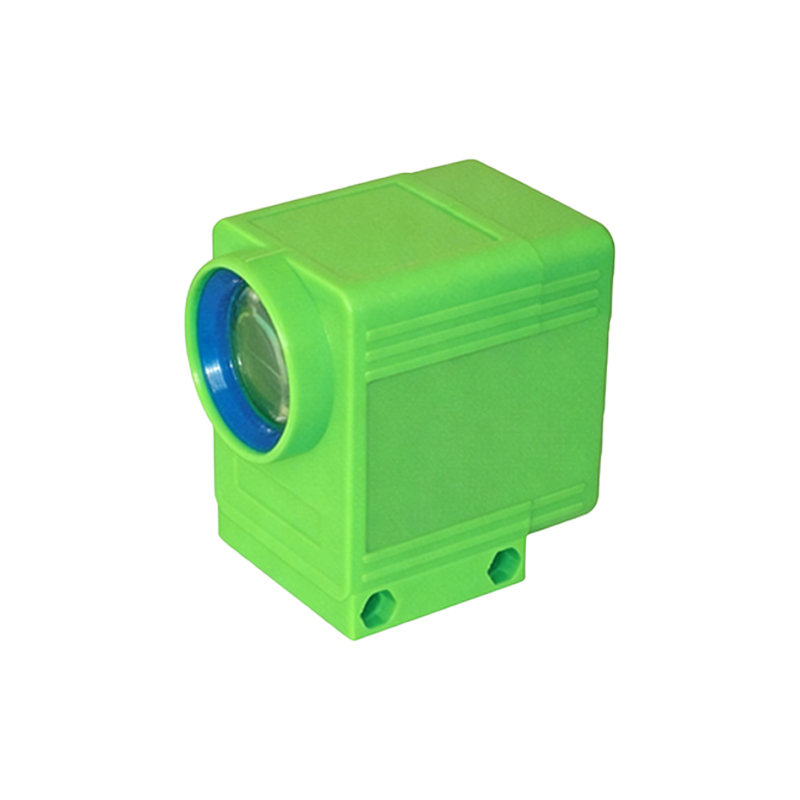
PID control, standing for Proportional-Integral-Derivative, is a widely used feedback mechanism in control systems to maintain desired setpoints. The proportional term responds to the current error, the integral term addresses accumulated past errors, and the derivative term predicts future errors based on the rate of change. In industrial settings, PID controllers are essential for regulating variables such as temperature, pressure, and speed, ensuring stable and optimized operations. Integrating PID control with sensor inputs allows for real-time adjustments, minimizing deviations and improving overall system performance.
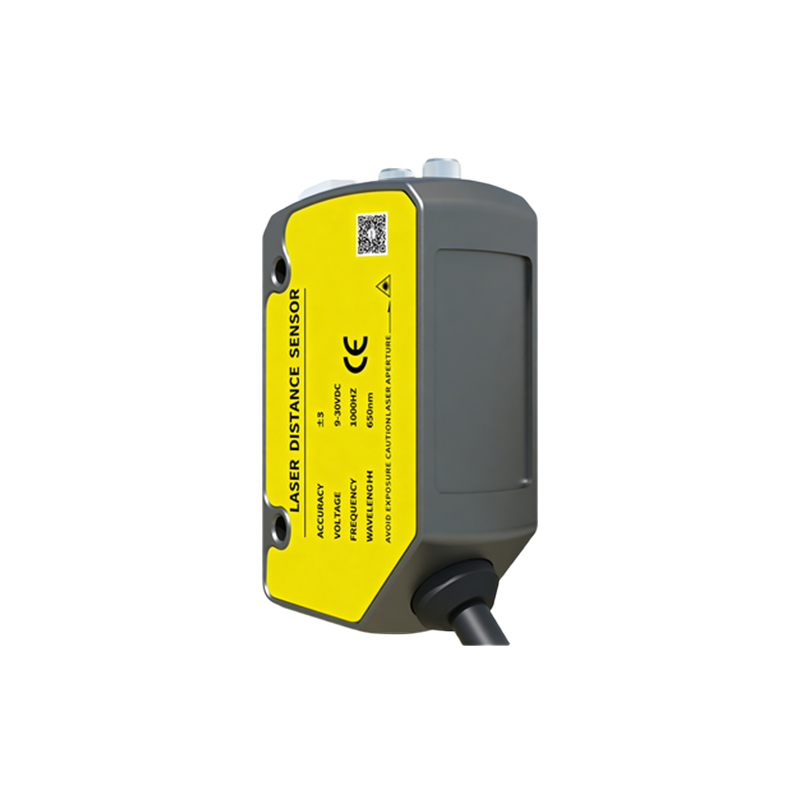
Integration of Photoelectric Sensors with PID Control
Combining photoelectric sensors with PID control creates a robust system for precise automation tasks. The sensor provides continuous feedback on object position or movement, which the PID controller uses to compute corrective actions. For instance, in a conveyor belt system, a photoelectric sensor can detect the position of items, and the PID controller can adjust motor speed to maintain consistent spacing. This integration enhances accuracy, reduces waste, and increases throughput, making it ideal for applications like sorting, filling, and assembly lines where tight tolerances are required.
Design Considerations for PID Tuning
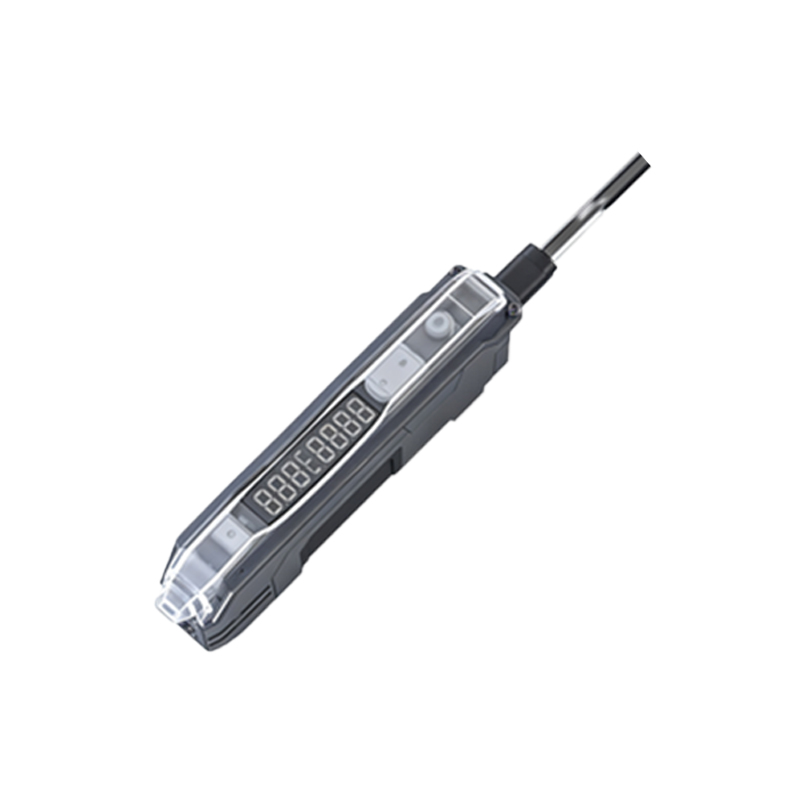
Effective PID tuning is critical when using photoelectric sensors to avoid oscillations or sluggish responses. Engineers must consider factors such as sensor response time, environmental conditions (e.g., ambient light or dust), and the dynamics of the controlled process. Tuning parameters—proportional gain, integral time, and derivative time—should be adjusted based on empirical testing or simulation models. Techniques like Ziegler-Nichols or software-based auto-tuning can help optimize these settings, ensuring the system responds quickly to changes while maintaining stability under varying loads.
Applications in Industrial Automation
Photoelectric sensor PID control systems are deployed in numerous industrial scenarios. In robotic arms, they enable precise positioning by providing feedback for PID loops that control joint movements. In packaging machinery, sensors monitor product flow, and PID controllers regulate sealing or cutting mechanisms to match production rates. Additionally, in quality inspection systems, photoelectric sensors detect defects, and PID adjustments ensure corrective actions are taken in real-time. These applications highlight the synergy between sensing and control, driving efficiency and reducing manual intervention.
Challenges and Solutions
Implementing photoelectric sensor PID control presents challenges such as signal interference, sensor misalignment, or nonlinearities in the process. To mitigate these, engineers can use shielded cables, regular calibration, and advanced filtering algorithms. Selecting sensors with appropriate ranges and beam types (e.g., diffuse or retro-reflective) also improves reliability. Moreover, adaptive PID controllers that adjust parameters dynamically can handle varying conditions, enhancing robustness in complex environments. Addressing these issues ensures long-term system durability and consistent performance.
Future Trends and Innovations
The future of photoelectric sensor PID control lies in advancements like smart sensors with embedded processing and IoT connectivity. These innovations enable predictive maintenance and data analytics, allowing systems to self-optimize based on historical trends. Integration with machine learning algorithms could further refine PID tuning, adapting to unforeseen changes autonomously. As industries move toward Industry 4.0, the combination of precise sensing and intelligent control will continue to evolve, offering greater flexibility and efficiency in automated processes.