Introduction to Infrared Proximity Sensing
Infrared proximity sensors are versatile electronic devices that detect the presence, absence, or distance of an object without physical contact. They operate by emitting an infrared light beam and measuring the reflection from a target. The core principle relies on the fact that different materials reflect or absorb infrared light in distinct ways. These sensors are integral to numerous industries due to their reliability, cost-effectiveness, and ability to function in various environmental conditions. From simple object detection to complex distance measurement, their applications are continually expanding with technological advancements.
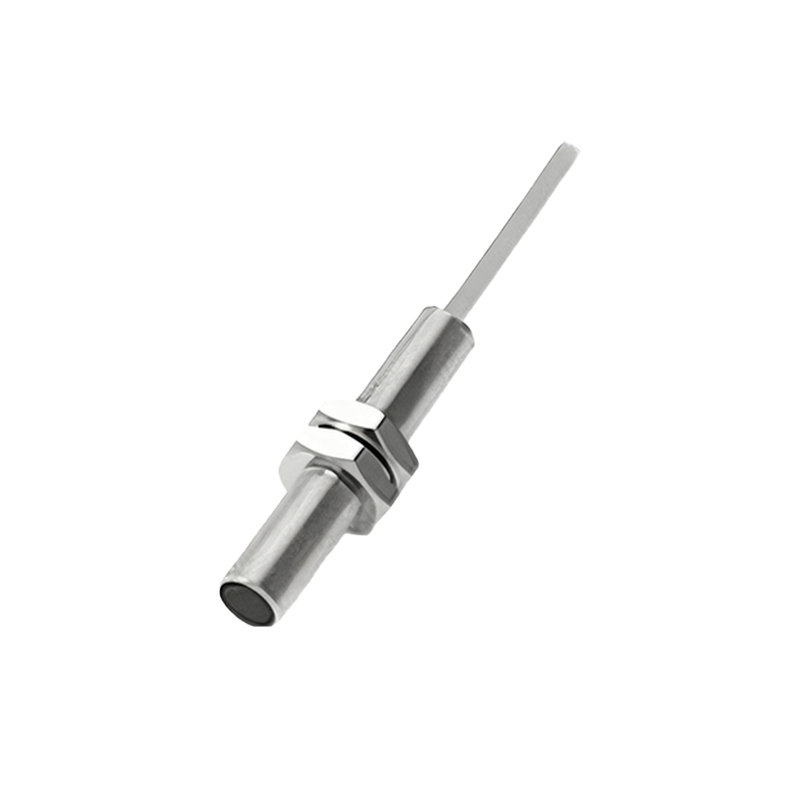
Core Function: Non-Contact Object Detection
The most fundamental capability of an infrared proximity sensor is non-contact detection. This is crucial in automation and manufacturing lines where physical contact could damage delicate products or where high-speed counting is required. For instance, on a conveyor belt, these sensors can accurately count bottles, boxes, or components as they pass by. They can also determine if a product is correctly positioned for the next stage of assembly or packaging. This function enhances efficiency, reduces mechanical wear, and minimizes downtime in industrial settings.
Precise Distance Measurement and Ranging
Beyond simple presence detection, many advanced infrared sensors are capable of precise distance measurement. By analyzing the intensity or the phase shift of the reflected infrared signal, these sensors can calculate the exact distance to an object. This capability is widely used in robotics for obstacle avoidance and navigation. Autonomous guided vehicles (AGVs) in warehouses utilize these sensors to map their surroundings and avoid collisions. Similarly, in consumer electronics like smartphones, infrared proximity sensors detect when the phone is held to the user's ear, automatically turning off the display to save power and prevent accidental touch inputs.
Role in Safety and Security Systems
Infrared proximity sensors form a critical layer in modern safety and security architectures. In automated doors and gates, they prevent closure when a person or object is in the doorway, preventing injuries and damage. Within industrial machinery, they act as safety curtains, instantly halting equipment if a worker's hand breaches a predefined safe zone. For security applications, they are used in motion detectors for alarm systems. Unlike cameras, they can operate effectively in total darkness, making them ideal for perimeter security and intrusion detection in low-light conditions.
Enabling Touchless Interfaces and Controls
The demand for hygienic and intuitive interfaces has propelled the use of infrared proximity sensors in touchless control systems. Public restroom fixtures, such as faucets, soap dispensers, and hand dryers, use these sensors to activate only when hands are detected, conserving water and improving cleanliness. In the automotive sector, they enable gesture control for infotainment systems, allowing drivers to adjust volume or answer calls with a wave of the hand, minimizing distraction. This technology is also finding its way into smart home devices for touchless light switches and appliance controls.
Applications in Level Sensing and Material Analysis
In process industries, infrared proximity sensors are employed for level sensing in tanks and silos. They can detect the fill level of liquids, powders, or granular materials from the top of a container. Their non-contact nature makes them suitable for corrosive, adhesive, or sterile materials where traditional float switches might fail. Furthermore, some specialized sensors can perform basic material analysis. Since different materials reflect infrared light at specific wavelengths, these sensors can sometimes distinguish between, for example, plastic and metal on a sorting line, aiding in recycling and waste management processes.
Integration with IoT and Smart Systems
The integration of infrared proximity sensors with the Internet of Things (IoT) is unlocking new potentials. In smart buildings, networks of these sensors can monitor room occupancy to optimize heating, ventilation, and air conditioning (HVAC) and lighting systems, leading to significant energy savings. In retail analytics, they can track customer movement and dwell time near displays, providing valuable data for store layout optimization. As a low-power sensing solution, they are ideal for battery-operated IoT devices, sending data on object presence or environmental changes to central management platforms for analysis and automated response.
Conclusion: A Foundation for Automation
In summary, the capabilities of infrared proximity sensors extend far beyond simple detection. They are foundational components enabling precision, safety, hygiene, and intelligence across diverse fields—from factory floors and robotic systems to consumer gadgets and smart infrastructure. Their evolution continues, with developments in miniaturization, power efficiency, and signal processing algorithms promising even broader applications. As automation and smart technology advance, the humble infrared proximity sensor will undoubtedly remain a key enabler, silently and reliably interacting with the physical world to drive innovation and efficiency.