Introduction to Through-Beam Photoelectric Sensing
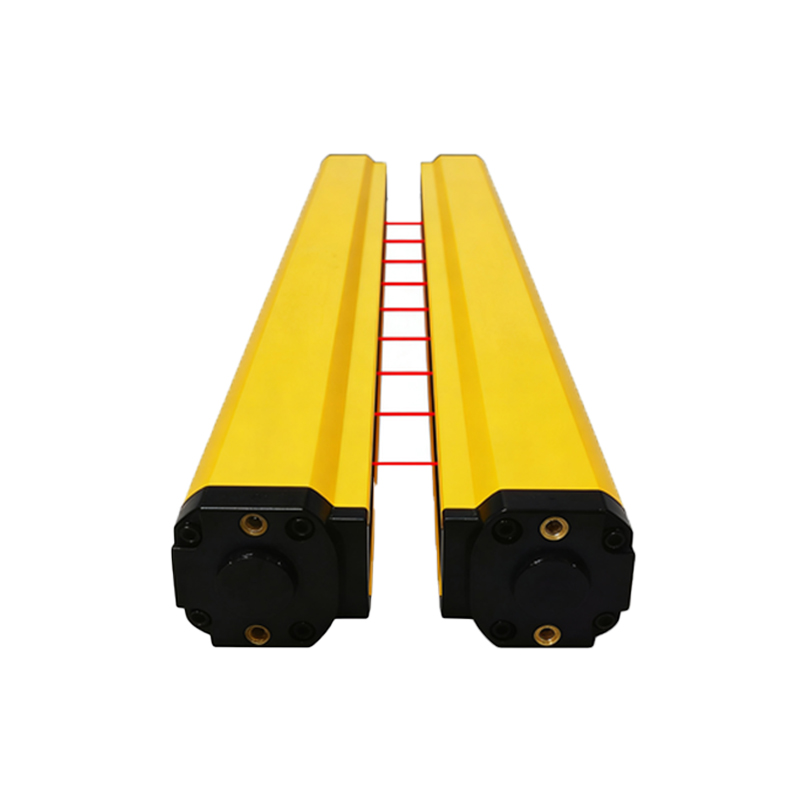
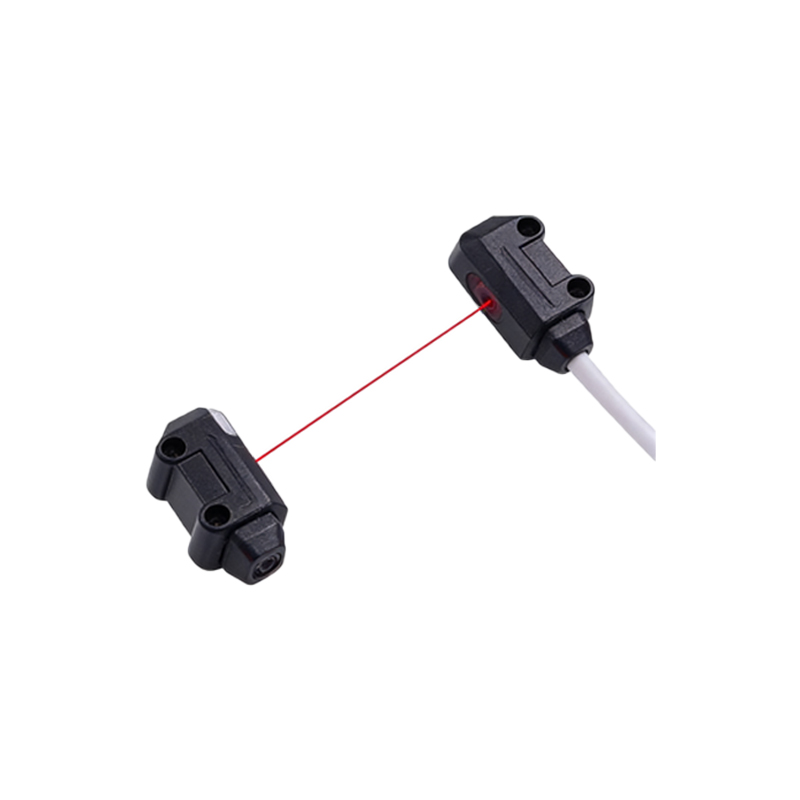
Through-beam photoelectric sensors, often considered the most robust and reliable type in the photoelectric sensor family, operate on a fundamental principle of light transmission and reception. These sensors consist of two separate, opposing units: a light emitter (transmitter) and a light receiver. The emitter projects a continuous or modulated beam of light—typically infrared, red LED, or laser—directly towards the receiver. The receiver's sole function is to detect the presence or absence of this specific light beam. When an opaque object passes between the two units, it interrupts the beam, causing the receiver's output state to change. This simple yet effective "light on" or "light off" detection method forms the core of their operation, making them indispensable for high-precision, long-range applications in industrial automation.
Core Components and Light Source Technology
The performance of a through-beam sensor is heavily dependent on its core components. The emitter houses a light source and a lens to collimate the beam. Common light sources include standard Infrared (IR) LEDs for general-purpose use, visible red LEDs for easier alignment, and laser diodes for extremely precise, long-range, or small-target detection. The receiver contains a phototransistor or photodiode tuned to the specific wavelength of the emitter's light. Advanced sensors often use modulated LED light, where the beam is pulsed at a specific high frequency. The receiver's circuit is then designed to recognize only this modulation pattern, making the sensor highly immune to ambient light interference from factory lighting, sunlight, or other optical noise, thereby ensuring exceptional stability and reliability in harsh environments.
Key Operational Characteristics and Advantages
The primary advantage of the through-beam configuration is its exceptional sensing range and consistency. Because the light beam travels directly from emitter to receiver, these sensors can achieve the longest detection distances of any photoelectric type, often exceeding 10, 20, or even 100 meters for specialized laser models. The beam is well-defined, allowing for precise detection of very small objects. Furthermore, they are largely unaffected by the object's color, reflectivity, surface finish, or angle, as they detect the physical interruption of the beam rather than a reflected signal. This leads to highly consistent and reliable operation, even with challenging targets like clear glass, shiny metal, or dark matte surfaces.
Alignment Considerations and Installation
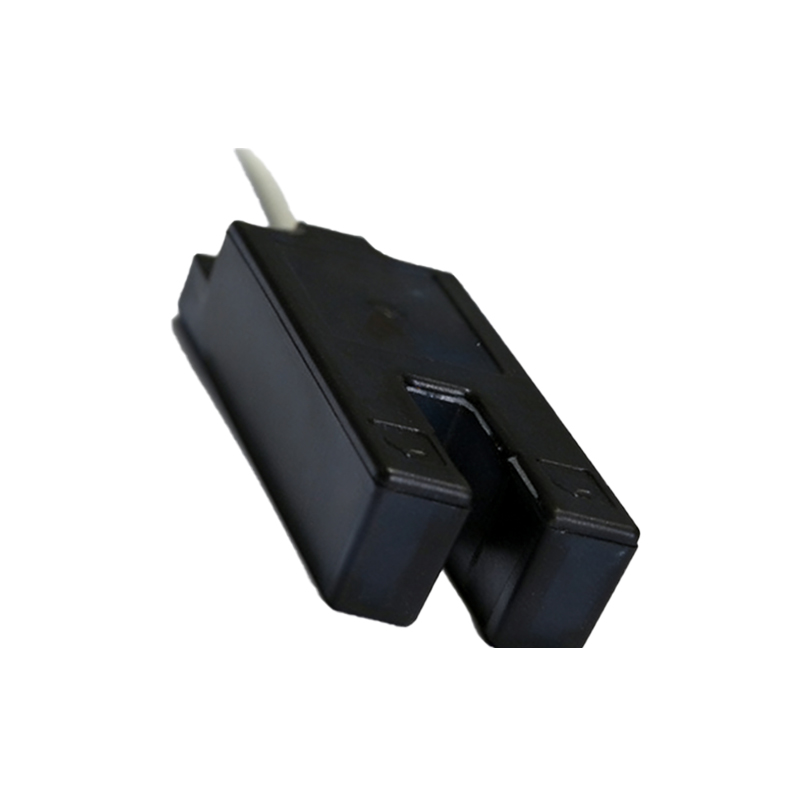
A critical aspect of deploying through-beam sensors is precise mechanical alignment. Since the receiver must be positioned directly in the path of the emitter's beam, proper mounting and alignment are paramount. Misalignment is the most common cause of malfunction. Many modern sensors feature alignment indicators, such as LED lights on the receiver that brighten as the beam is correctly centered, or built-in potentiometers for sensitivity adjustment to compensate for minor misalignment or lens contamination. For long-range applications or in environments with vibration, sturdy mounting brackets and periodic alignment checks are essential maintenance practices to ensure continuous, fault-free operation.
Typical Industrial Applications and Use Cases
Through-beam sensors are deployed in countless industrial scenarios where reliability and range are critical. Common applications include object detection on high-speed conveyor lines for counting, sorting, or jam detection. They are used in automated packaging machinery to detect the presence of products before sealing or labeling. In material handling, they serve as safety curtains or part-presence detectors at the entry and exit points of machinery, robotic cells, and automated storage systems. Their ability to detect small objects makes them ideal for verifying the presence of components on circuit boards or checking for broken tools in machining centers. Essentially, any application requiring dependable detection over a distance or through a challenging environment is a candidate for through-beam sensors.
Comparison with Other Photoelectric Sensor Modes
It is instructive to contrast through-beam sensors with other common modes like retro-reflective and diffuse reflective. Retro-reflective sensors use a single unit that emits light and receives its reflection from a dedicated reflector; they offer a good compromise of range and easier alignment than through-beam but can be fooled by shiny objects. Diffuse (proximity) sensors detect light reflected directly off the target itself, requiring only one unit and simplifying installation, but they have much shorter ranges and are sensitive to the target's color and surface properties. The through-beam method sacrifices some installation convenience for superior performance in range, accuracy, and environmental immunity, defining its specific niche in the sensor ecosystem.
Maintenance and Troubleshooting Guidelines
While robust, through-beam sensors require basic maintenance for optimal longevity. The primary concern is keeping the lenses of both the emitter and receiver clean from dust, oil, or debris, which can attenuate the light signal. Regular cleaning with appropriate solvents is recommended. Troubleshooting typically involves verifying power supply, checking the alignment using the sensor's indicators, and ensuring the sensing object fully interrupts the beam. A gradual reduction in operating range often points to lens contamination or minor misalignment. Understanding that the system forms a complete optical circuit is key; problems must be diagnosed by examining both the emitter's output and the receiver's condition and alignment.