Non-Contact Detection
Proximity sensors operate on the principle of non-contact detection, which is a foundational feature distinguishing them from mechanical limit switches. They detect the presence or absence of a target object without any physical contact. This eliminates mechanical wear and tear, significantly extending the sensor's operational lifespan. The absence of physical contact also prevents damage to both the sensor and the target, making them ideal for delicate applications or environments where contamination from contact must be avoided. This characteristic ensures high reliability and reduces maintenance costs over time.
High-Speed Response and Switching Frequency
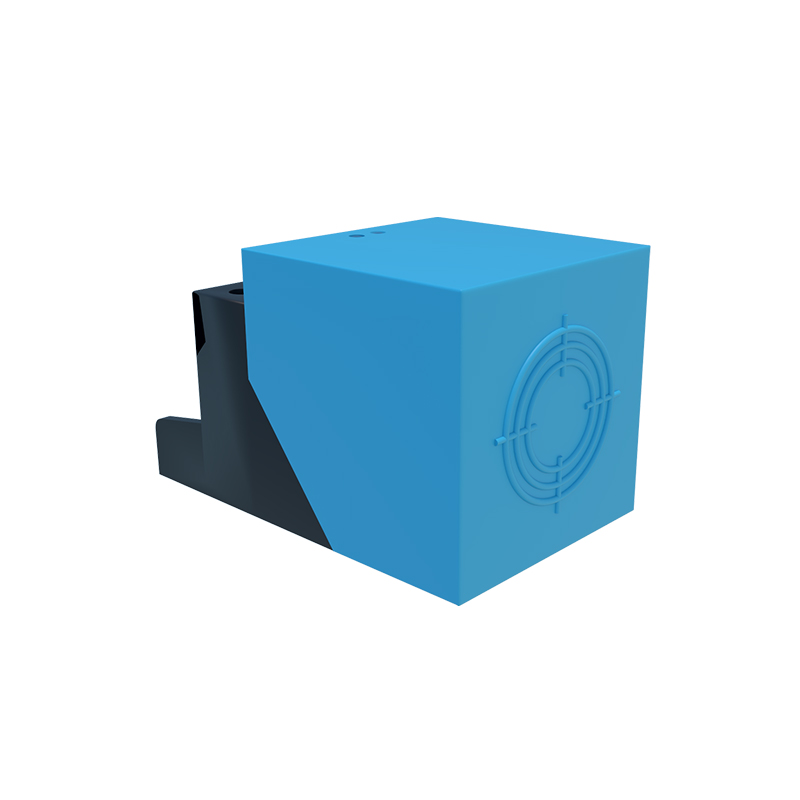
One of the most critical performance metrics for proximity sensors is their response speed and switching frequency. Modern inductive and capacitive proximity sensors can achieve response times in the microsecond range and switching frequencies up to several kilohertz. This allows for the detection of very fast-moving objects on high-speed production lines, such as in packaging, bottling, or automotive assembly. The fast response ensures precise timing control, which is essential for synchronization in complex automated systems, directly impacting throughput and efficiency.
Environmental Robustness and Durability
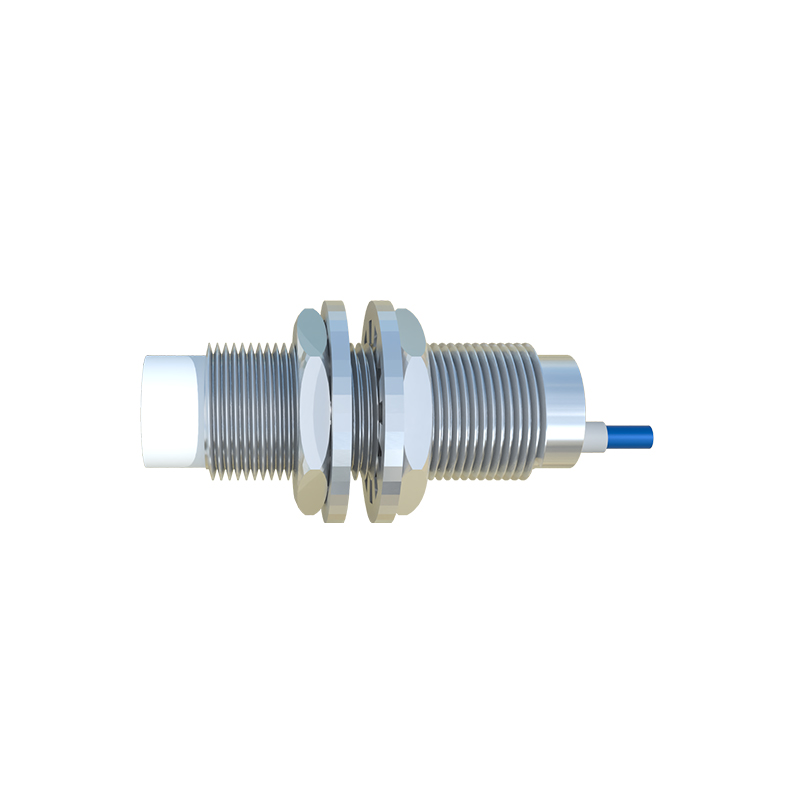
Engineered for harsh industrial environments, proximity sensors are built to be exceptionally robust. They typically feature housings made of materials like nickel-plated brass, stainless steel, or PBT plastic, offering high resistance to corrosion, chemicals, and physical impacts. Many models possess high Ingress Protection (IP) ratings (e.g., IP67, IP69K), making them dust-tight and capable of withstanding high-pressure water jets. This durability ensures stable operation in challenging conditions involving oil, coolant, metal chips, and extreme temperatures.
Immunity to Environmental Factors
A well-designed proximity sensor exhibits strong immunity to common environmental interferences. Inductive sensors, for instance, are largely unaffected by ambient light, dust, smoke, or non-metallic debris. They are specifically tuned to detect metallic objects, ignoring other materials. Similarly, capacitive sensors can be adjusted to ignore certain materials while detecting others based on dielectric constant. Advanced models incorporate shielding and filtering technologies to minimize the effects of electromagnetic interference (EMI) from nearby motors or welding equipment, ensuring signal stability.
Variety of Sensing Principles and Outputs
Proximity sensors are not a one-size-fits-all solution; they are available based on different sensing principles to suit various target materials. Inductive sensors detect metals, capacitive sensors detect both metals and non-metals (liquids, plastics, wood), and ultrasonic sensors use sound waves for detection. Furthermore, they come with diverse output configurations, including DC NPN/PNP transistor outputs, analog current/voltage outputs (4-20mA, 0-10V), and IO-Link digital communication. This variety allows for seamless integration into different control system architectures, from simple relay logic to sophisticated PLC networks.
Precise and Repeatable Sensing Distance
The rated sensing distance (Sn) is a guaranteed operational parameter under defined conditions. A key feature is the high repeat accuracy of this detection point, meaning the sensor consistently detects a standard target at the same distance every time. This precision is crucial for positioning applications, such as verifying the presence of a part in a fixture or controlling the end position of a cylinder. Factors like temperature fluctuations and supply voltage variations have minimal impact on this repeatability, thanks to stable internal circuitry.
Easy Installation and Integration
Modern proximity sensors are designed for straightforward installation and setup. Many feature standardized housing sizes (e.g., M8, M12, M18, M30) with built-in LEDs for status indication (power on, output active). Quick-disconnect connectors simplify wiring and replacement, minimizing machine downtime. Self-contained designs mean they require no external amplifiers in basic applications. Their compact size allows for installation in space-constrained locations. This ease of integration reduces installation time and cost, making them a preferred choice for system designers and maintenance technicians.