Understanding Proximity Sensor Fundamentals
Proximity sensors are indispensable components in modern industrial automation, providing non-contact detection of objects within a specific range. Their primary function is to sense the presence or absence of an object without physical contact, thereby eliminating mechanical wear and enabling high-speed, reliable operation. High-quality sensors are characterized by their precision, repeatability, long operational life, and resilience in harsh environments. They come in various types, primarily inductive, capacitive, ultrasonic, and photoelectric, each suited for different materials and applications. Selecting the right sensor is critical for system efficiency, safety, and uptime.
Key Features of Premium Proximity Sensors
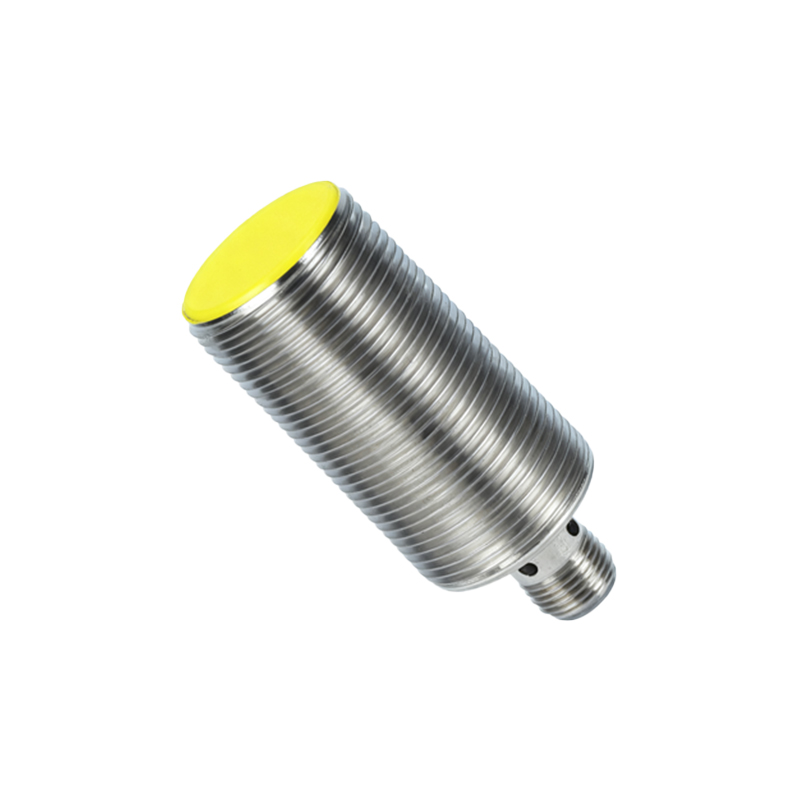
Distinguishing a high-quality proximity sensor from a standard one involves examining several critical features. Superior build quality with robust housing (often stainless steel or nickel-plated brass) is essential for withstanding mechanical stress, chemicals, and extreme temperatures. Look for sensors with high IP ratings (e.g., IP67, IP69K) indicating excellent protection against dust and water ingress. Electrical characteristics such as short-circuit and overload protection, reverse polarity protection, and stable switching frequencies are non-negotiable for reliable performance. Additionally, advanced models offer features like IO-Link communication for digital parameter setting and diagnostics, enabling predictive maintenance and seamless integration into Industry 4.0 frameworks.
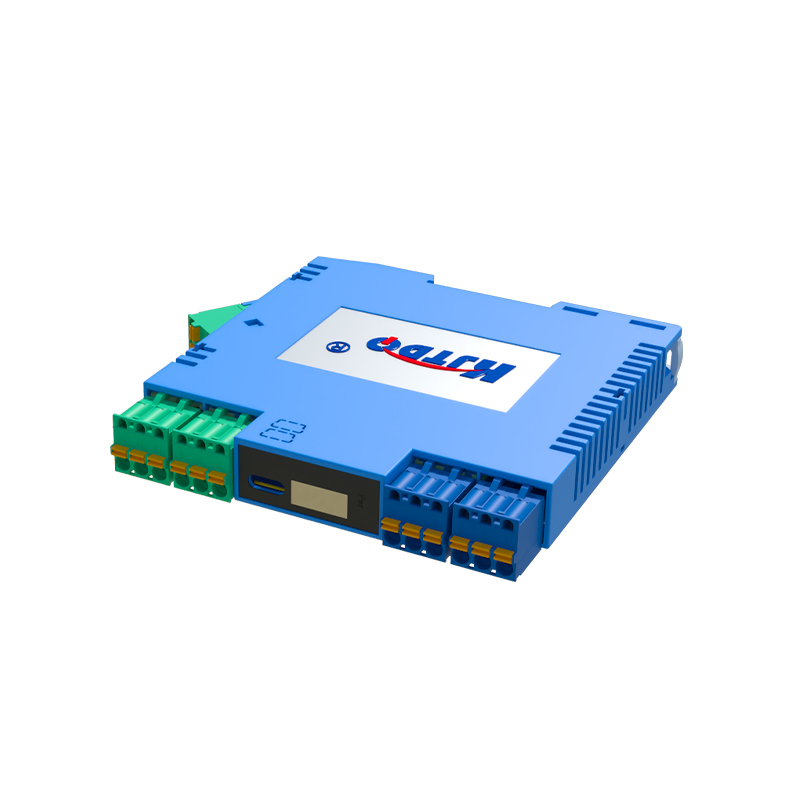
Primary Sourcing Channels: Manufacturers and Distributors
The most direct source for high-quality proximity sensors is the authorized distributors or direct sales channels of leading global manufacturers. Companies like Sick AG, Pepperl+Fuchs, Omron, Balluff, and ifm electronic are renowned for their rigorous quality control, extensive R&D, and comprehensive product portfolios. Purchasing from their official distributors guarantees genuine products, access to full technical specifications, application support, and valid warranties. These distributors often maintain substantial local inventories, ensuring quick availability. For specialized or highly demanding applications, contacting the manufacturer's application engineering team directly can provide tailored solutions and prototypes.
The Role of Industrial Automation Specialists
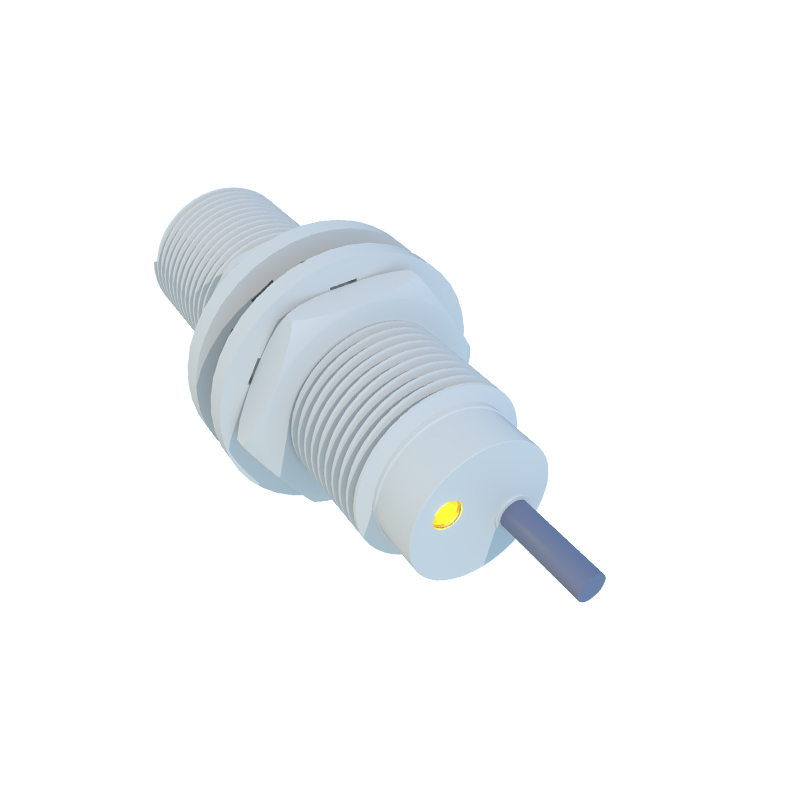
Beyond standard distributors, specialized industrial automation suppliers and system integrators are invaluable resources. These entities possess deep application knowledge and can recommend the optimal sensor type and model for specific challenges, such as detecting small metallic parts at high speeds or sensing transparent films. They often provide value-added services like sensor testing, customization of mounting brackets or cables, and integration support. Building a relationship with a trusted automation specialist ensures not just a product purchase but a holistic solution that enhances overall system performance and reliability.
Evaluating Online Marketplaces and Technical Hubs
While direct manufacturer channels are preferred, reputable online industrial marketplaces like Allied Electronics, Digi-Key, or RS Components can be viable options for procuring branded, high-quality sensors, especially for prototyping or smaller quantities. It is crucial to verify the seller's authorization status to avoid counterfeit products. Furthermore, technical hubs and platforms such as IEEE Xplore or industry-specific forums often feature white papers, case studies, and technical articles from manufacturers, which can guide you to the latest high-performance sensor technologies and their reputable sources.
Ensuring Quality Through Verification and Support
Finding a supplier is only the first step; verifying the quality is continuous. Always request detailed datasheets and compliance certificates (e.g., CE, UL, ATEX for hazardous areas). Inquire about the supplier's testing facilities and quality assurance processes. Post-purchase, the availability of strong technical support, comprehensive documentation, training resources, and a reliable repair/calibration service network are hallmarks of a source committed to quality. A high-quality sensor is part of a larger ecosystem of support that ensures its value is realized throughout its entire lifecycle in your application.