Introduction to Color Mark Photoelectric Sensors
Color mark photoelectric sensors are essential components in industrial automation, designed to detect specific color marks or contrasts on moving objects. These sensors utilize advanced optical technology to distinguish between different colors, making them ideal for applications such as packaging, labeling, and sorting systems. Unlike standard photoelectric sensors, color mark sensors can accurately identify color variations even under varying lighting conditions, ensuring high precision in production lines. Their ability to adjust sensitivity and response times makes them versatile tools for enhancing efficiency and reducing errors in manufacturing processes.
Key Components and Working Principles
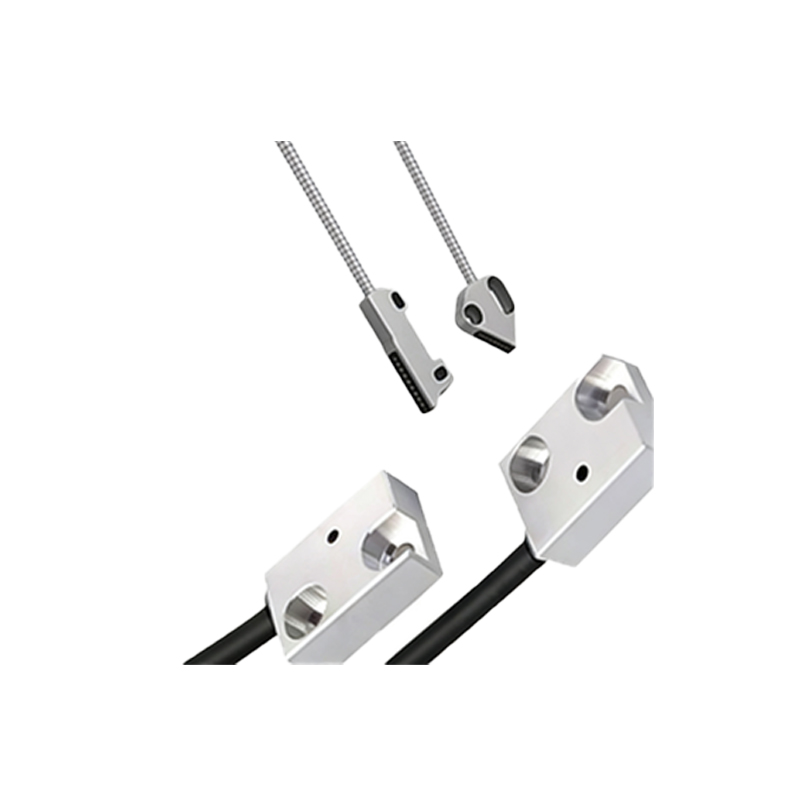
A color mark photoelectric sensor typically consists of a light emitter, receiver, and signal processing unit. The emitter projects a focused beam of light onto the target surface, while the receiver captures the reflected light. Based on the color of the mark, the reflected light intensity varies, allowing the sensor to differentiate between colors. The signal processing unit then converts this data into electrical signals, which can be used to trigger actions like stopping a conveyor or activating a sorting mechanism. Advanced models may include features such as teach-in functions for easy calibration and digital displays for real-time monitoring.
Step-by-Step Guide to Key Setting Procedures
Setting up the keys on a color mark photoelectric sensor involves several critical steps to ensure optimal performance. First, power on the sensor and access the configuration menu via the control panel or remote interface. Use the teach button to initiate the calibration process: position the sensor over the desired color mark and press the teach key to store the reference color value. Adjust sensitivity settings using the up/down keys to fine-tune detection thresholds, preventing false triggers from background colors. Finally, set the output mode (e.g., light-on or dark-on) and response time based on application requirements, and save the settings by pressing the confirm key.
Common Challenges and Troubleshooting Tips
During key setup, users may encounter issues such as inconsistent detection or sensor misalignment. To address these, ensure the sensor is mounted securely and aligned perpendicular to the target surface to avoid angular errors. Check for environmental factors like ambient light interference or dust accumulation on the lens, which can affect accuracy. If the sensor fails to detect marks, recalibrate using the teach function and verify sensitivity levels. For persistent problems, consult the manufacturer’s manual for error codes or reset the sensor to default settings before reconfiguring. Regular maintenance, including cleaning and firmware updates, can prevent many common issues.
Best Practices for Optimal Performance
To maximize the effectiveness of color mark photoelectric sensors, follow industry best practices. Conduct periodic calibration checks, especially when changing production materials or colors, to maintain detection accuracy. Use shielded cables and proper grounding to minimize electrical noise that could disrupt sensor signals. Implement redundancy by installing backup sensors in critical applications to avoid downtime. Additionally, train operators on proper key setting procedures and safety protocols to reduce human error. Documenting settings and maintenance logs can aid in troubleshooting and ensure consistent operation over time.
Applications and Future Trends
Color mark photoelectric sensors are widely used in industries like food and beverage, pharmaceuticals, and printing, where color-coded labeling is crucial. Emerging trends include integration with IoT systems for remote monitoring and data analytics, enabling predictive maintenance and real-time adjustments. Advances in AI and machine learning may further enhance color recognition capabilities, allowing sensors to adapt dynamically to complex environments. As automation evolves, these sensors will continue to play a vital role in improving productivity and quality control across various sectors.