Introduction to the QS18VN6RQ5 Photoelectric Sensor
The QS18VN6RQ5 represents a robust and versatile solution in the realm of industrial automation sensing. As a diffuse-mode photoelectric sensor, it is engineered to detect objects without the need for a separate reflector, simplifying installation and setup. This model is part of a renowned family of sensors known for reliability in challenging environments. Its compact, cylindrical housing, typically constructed from nickel-plated brass or stainless steel, offers durability against physical impacts and exposure to industrial contaminants such as oils and coolants. The QS18VN6RQ5 is designed to deliver consistent performance, making it a go-to component for tasks ranging from simple part detection to complex positioning on assembly lines, packaging machinery, and material handling systems.
Key Technical Specifications and Operating Principles
Operating on the diffuse sensing principle, the QS18VN6RQ5 emits a beam of modulated light, usually from an LED source. When an object enters its detection field, a portion of this light is reflected back to the sensor's receiver. The internal circuitry then processes this signal to trigger an output. Key specifications include a sensing range that is adjustable, often up to several hundred millimeters, depending on the target's reflectivity. It typically features a 10-30V DC operating voltage, making it compatible with standard industrial control systems. The output is commonly a solid-state NPN or PNP transistor, providing a clean switching signal to programmable logic controllers (PLCs). Response time is in the millisecond range, suitable for high-speed applications. Understanding these parameters is crucial for proper integration and maximizing sensor lifespan.
Installation and Alignment Best Practices
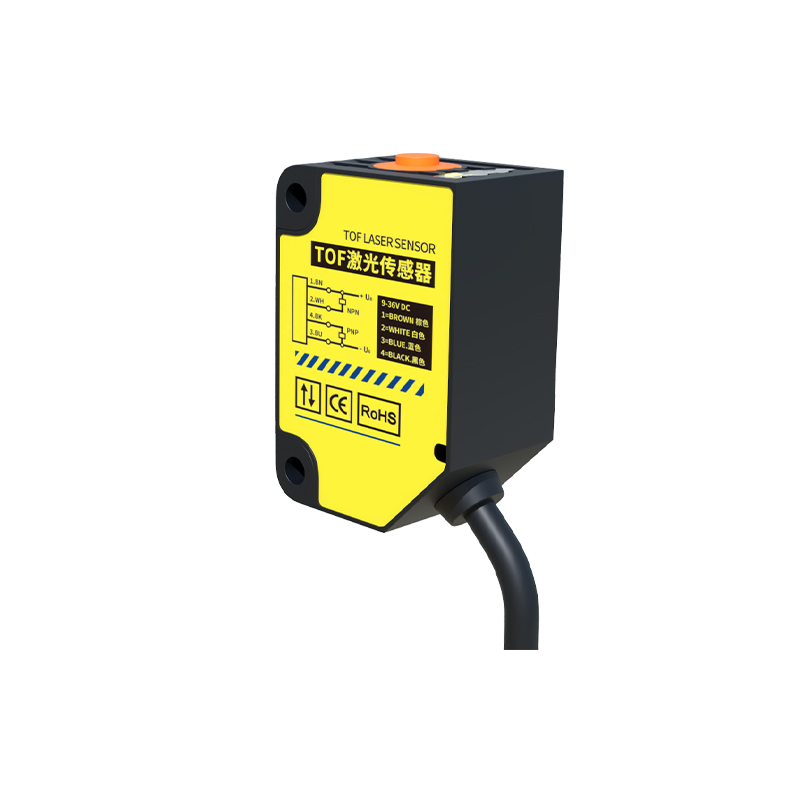
Correct installation is paramount for optimal performance. The QS18VN6RQ5 is often supplied with mounting brackets for easy fixture. When positioning the sensor, consider the target object's color, surface texture, and material, as these affect reflectivity. Dark, matte, or absorbent surfaces require a shorter operational range. Ensure the sensor is mounted securely to minimize vibration-induced errors. Alignment, while less critical than in retro-reflective or through-beam models, still requires attention. The sensor should be aimed directly at the expected path of the target. Many models feature a visible red LED or a more precise laser spot for alignment aid, and an indicator LED that signals both power status and output activation, simplifying setup and troubleshooting.
Configuration and Sensitivity Adjustment
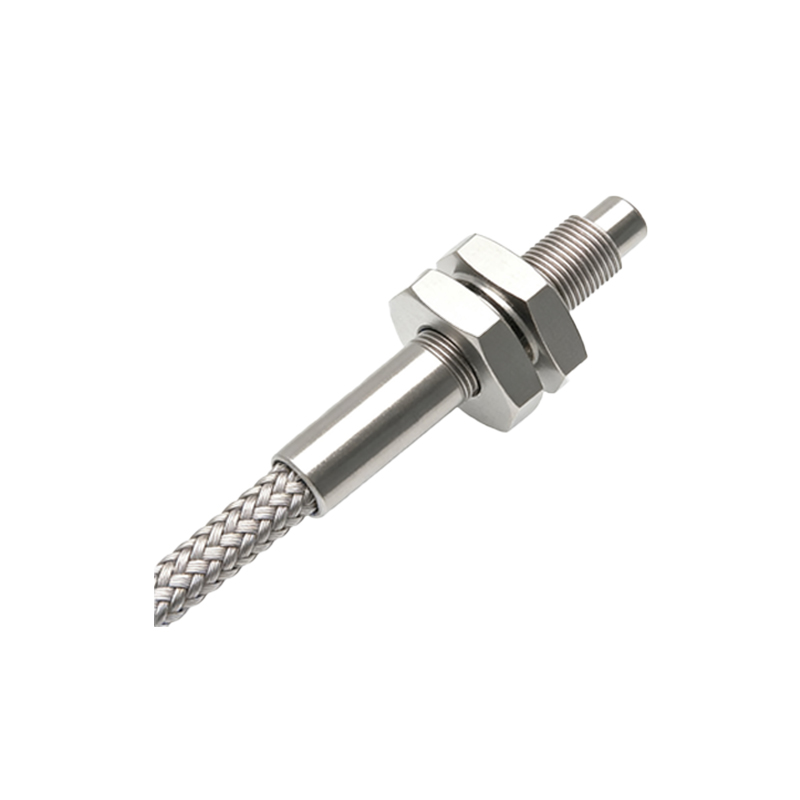
A significant feature of sensors like the QS18VN6RQ5 is the integrated sensitivity adjustment potentiometer. This allows engineers to fine-tune the sensing distance and threshold to accommodate different target sizes, colors, or to ignore background objects. Turning the potentiometer clockwise usually increases sensitivity (lengthens the range), while counter-clockwise rotation decreases it. For applications with varying environmental light conditions, models with background suppression technology are available, which can discriminate between the target and objects farther away based on the angle of reflected light, not just intensity. Always configure the sensor under actual operating conditions for the most reliable setup.
Application Scenarios in Industrial Settings
The versatility of the QS18VN6RQ5 lends itself to numerous applications. In packaging, it detects the presence of boxes on a conveyor, triggering a divertor arm or labeler. In automotive assembly, it verifies the placement of components like pistons or gaskets. It can count bottles on a filling line, detect the level of bulk material in a bin, or act as a safety interlock by confirming a guard door is closed. Its environmental resistance makes it suitable for washdown areas in food and beverage processing. The key to successful application is matching the sensor's capabilities—range, response time, housing rating—to the specific demands of the task, including target size, required speed, and ambient conditions.
Troubleshooting Common Operational Issues
Even with proper installation, issues may arise. Intermittent detection often points to unstable power supply, incorrect sensitivity setting, or a dirty lens. Regularly clean the lens with a soft cloth. If the sensor fails to detect, verify the power connections, voltage level, and output load. False triggering can be caused by reflective backgrounds, shiny objects passing nearby, or intense ambient light. Adjusting the sensitivity, repositioning the sensor, or using a model with a narrower beam or background suppression can resolve this. Consistently monitoring the status LED provides immediate visual feedback for diagnosing these common problems.
Maintenance and Long-Term Reliability
The QS18VN6RQ5 is designed for minimal maintenance. Beyond keeping the lens clean, periodic checks of mounting hardware tightness and cable integrity are recommended. Inspect for any physical damage to the housing, especially the lens window. In harsh environments, ensure that the IP (Ingress Protection) rating, such as IP67, is adequate for the level of dust and moisture exposure. Long-term reliability is achieved by operating the sensor within its specified temperature, voltage, and load limits. Keeping a log of installation dates and environmental conditions can aid in predictive maintenance and inventory planning for replacements.
Conclusion and Integration Considerations
In summary, the QS18VN6RQ5 photoelectric sensor is a fundamental, reliable component for object detection in automated systems. Its diffuse-mode operation offers a balance of simplicity and effectiveness. When integrating this sensor into a control system, always reference the manufacturer's datasheet for precise wiring diagrams and specifications. Consider factors like cable length, electrical noise in the environment, and the compatibility of the output type (NPN sinking vs. PNP sourcing) with your PLC input module. By adhering to best practices in selection, installation, and configuration, this sensor will provide years of dependable service, forming a critical link in the chain of industrial automation.