Understanding Proximity Sensor Types and Applications
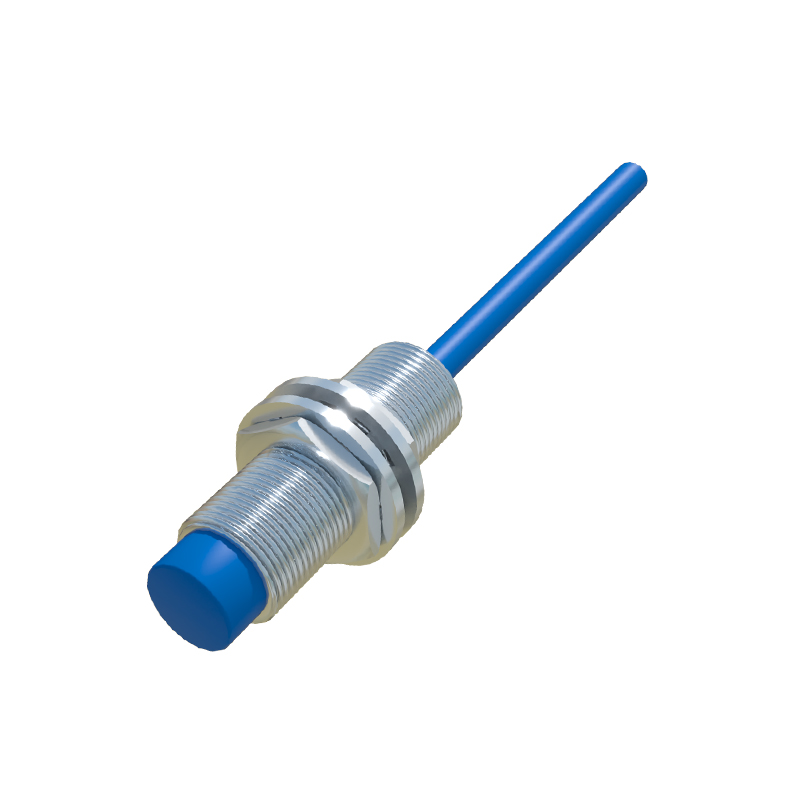
Proximity sensors are indispensable components in modern industrial automation, robotics, and machinery. Before embarking on a purchasing journey, it is crucial to understand the primary types: inductive, capacitive, ultrasonic, and photoelectric. Inductive sensors detect metallic objects without physical contact and are staples in manufacturing lines for position detection. Capacitive sensors can detect both metallic and non-metallic materials, making them ideal for level sensing or detecting liquids through a container wall. Ultrasonic sensors use sound waves to measure distance to an object, excelling in harsh environments with dust or moisture. Photoelectric sensors utilize light beams and are perfect for long-range detection or sensing small objects. Identifying the correct sensor type for your specific application—be it object detection, counting, or positioning—is the foundational first step.
Major Industrial Distributors and Supply Chains
For reliable and bulk procurement, established industrial distributors are often the first port of call. Global giants like Digi-Key Electronics, Mouser Electronics, and RS Components maintain vast inventories of proximity sensors from leading manufacturers such as Omron, Schneider Electric, Siemens, and Pepperl+Fuchs. These distributors offer several advantages: comprehensive technical datasheets, reliable supply chains, volume pricing, and robust customer support. Their online platforms are searchable by detailed specifications, including sensing range, output type (PNP/NPN), connection style, and housing material. For large-scale industrial projects or maintenance, building a relationship with a local branch of a global distributor or a specialized regional supplier ensures consistent quality and logistical support.
Direct Purchasing from Manufacturer Representatives
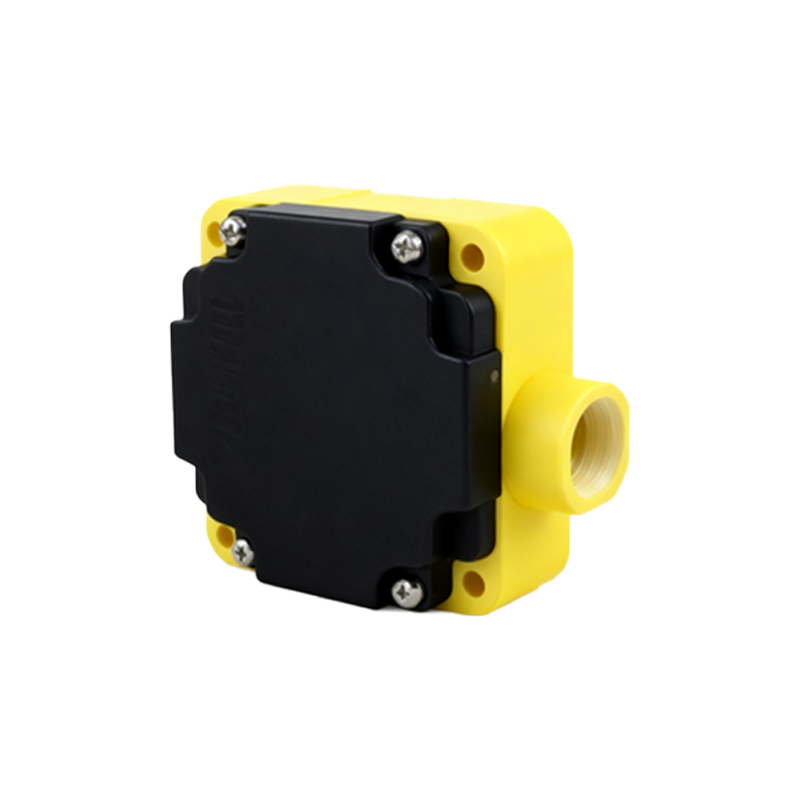
Purchasing directly from a manufacturer or their authorized sales representatives can be advantageous for highly specialized applications or when significant technical consultation is required. Companies like Banner Engineering, Turck, and Balluff have extensive networks of application engineers and sales reps. Going direct allows for in-depth discussions about your project's unique challenges, potential customization of sensor parameters, and access to the most current product lines and firmware updates. This channel is particularly valuable for OEMs (Original Equipment Manufacturers) integrating sensors into their own products or for facilities implementing complex automation systems where sensor performance is critical. Manufacturers often provide superior after-sales support and warranty services.
Online Marketplaces and E-commerce Platforms
The rise of B2B and industrial e-commerce has transformed procurement. Platforms like Amazon Business, eBay Business, and specialized industrial marketplaces offer a convenient way to source proximity sensors, especially for smaller quantities, prototyping, or urgent replacement needs. While these platforms provide speed and often competitive pricing, caution is advised. It is essential to verify the seller's authenticity, ensure the products are genuine and not counterfeit, and confirm specifications match the listing. Reading customer reviews and checking seller ratings are mandatory steps. This channel is best suited for standard, off-the-shelf sensor models where the risk of receiving an incorrect or substandard product is low.
Local Electrical and Automation Suppliers
Do not overlook local specialized electrical wholesalers or automation solution providers. These brick-and-mortar stores or regional suppliers offer the significant benefit of immediacy. For urgent breakdowns or when a project is on a tight deadline, being able to pick up a sensor locally can save hours or days of downtime. Local suppliers often have knowledgeable staff familiar with common industrial applications in your area. They can provide hands-on advice and may even offer testing or demonstration units. Building a rapport with a local supplier creates a valuable resource for last-minute purchases, technical troubleshooting, and gaining insights into what sensor models are proving reliable in similar local industrial environments.
Key Considerations Before Making a Purchase
Regardless of the purchasing channel, several technical and commercial factors must be evaluated. Technically, confirm the sensor's operating voltage, output current, sensing distance (rated and practical), repeat accuracy, and environmental ratings (IP or NEMA codes for dust/water resistance). Commercially, consider the total cost of ownership, which includes not just the unit price but also lead time, minimum order quantities, warranty terms, and the availability of replacement parts. Always request samples for testing in your actual application before committing to a large order. This step can prevent costly compatibility issues and ensure the sensor performs as expected under real-world conditions of temperature, vibration, and target material variability.