Introduction to Photoelectric Sensing
Photoelectric sensors are indispensable components in modern industrial automation, providing non-contact detection of objects. They operate by emitting a beam of light, typically from an LED or laser diode, and detecting changes in the received light signal. The core principle involves the interruption, reflection, or absorption of this emitted light by a target object. This technology offers significant advantages over mechanical limit switches, including higher speed, longer sensing distances, minimal wear and tear, and the ability to detect a wide variety of materials regardless of color, surface texture, or composition. From packaging lines and material handling to assembly robots and safety systems, photoelectric sensors ensure precision, reliability, and efficiency in countless applications.
Through-Beam Sensors
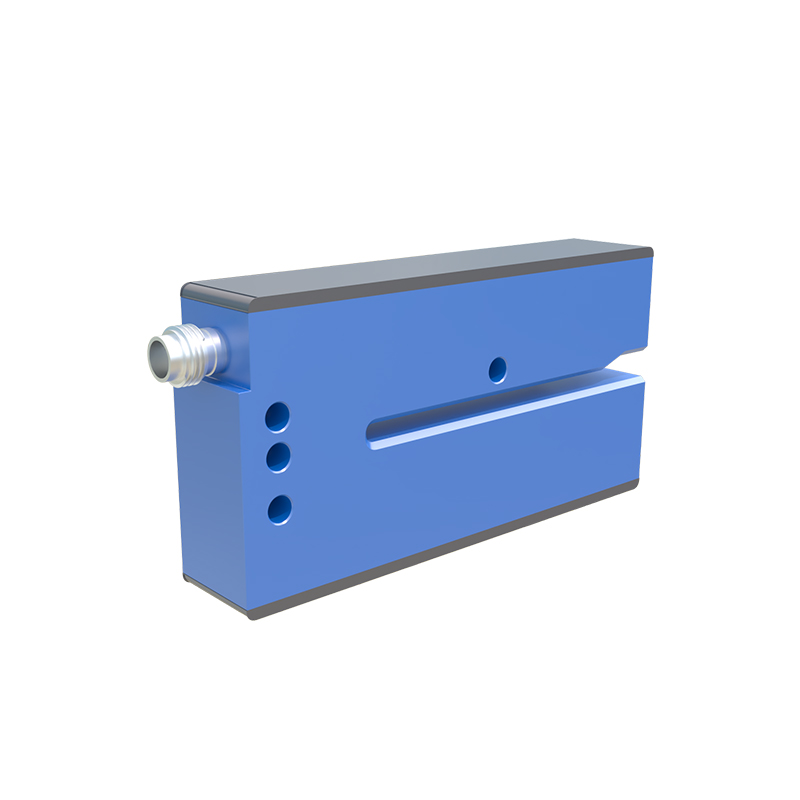
Through-beam sensors, also known as opposed-mode sensors, represent the most robust and long-range photoelectric sensing solution. This configuration consists of two separate units: a transmitter and a receiver, positioned directly opposite each other. The transmitter continuously emits a light beam, which is received by the counterpart unit. An object is detected when it physically breaks this beam, causing the receiver's signal to drop. This method provides the highest excess gain, meaning it is highly immune to environmental factors like dust, dirt, or target surface characteristics. Sensing distances can extend up to several hundred meters. Typical applications include detecting large objects on conveyors, monitoring breakages in material webs, and providing safety curtains for hazardous areas.
Retro-Reflective Sensors
Retro-reflective sensors combine the transmitter and receiver into a single housing. They operate by directing the emitted light towards a specialized reflector, often a corner-cube or tape reflector, which bounces the beam directly back to the receiver. Detection occurs when an object interrupts the path between the sensor and the reflector. This design offers a simpler installation process compared to through-beam sensors, as it requires wiring only on one side. However, they are susceptible to false triggers from shiny objects that might reflect light back on their own. To combat this, many modern retro-reflective sensors use polarized light filters; the reflector depolarizes the light, allowing the sensor to distinguish it from a simple specular reflection. These sensors are ideal for medium-range detection tasks.
Diffuse Reflective Sensors
Diffuse reflective sensors, or proximity-mode sensors, are the most compact and easiest to install, as they require only a single unit and no separate reflector. The transmitter and receiver are housed together. The sensor detects an object when the emitted light reflects off the target's surface and scatters back to the receiver. The detection range is heavily dependent on the target's size, color, and surface texture—light-colored, matte surfaces reflect better than dark, shiny ones. This makes them versatile for detecting objects at close range but less consistent for varying targets. Advanced versions, known as background suppression or convergent beam sensors, use triangulation to detect objects only within a fixed focal point, ignoring more distant backgrounds. They are widely used for presence detection, counting, and positioning.
Specialized Photoelectric Sensor Variants
Beyond the three primary types, several specialized photoelectric sensors address niche challenges. Fiber-optic sensors utilize flexible light guides to deliver and collect light, allowing the amplifier unit to be mounted remotely in a clean environment while the sensing tips probe into tight, hot, or hazardous spaces. Color sensors differentiate between colors by analyzing the reflected light's wavelength, crucial for sorting and quality control. Luminescence sensors detect the presence of materials that glow under UV light, such as invisible marks or specific adhesives. Contrast sensors detect the difference in contrast between a mark and its background, essential in label positioning and printing registration. Each variant extends the fundamental photoelectric principle to solve specific industrial sensing problems.
Key Selection Criteria
Choosing the correct photoelectric sensor type is critical for system performance. Key factors include sensing distance, required for the application. Target characteristics such as size, material, color, and surface finish directly influence the choice; a diffuse sensor may fail on a black rubber tire, where a through-beam would succeed. The operating environment must be considered, including ambient light, temperature, humidity, and the presence of contaminants like dust, oil, or steam, which may necessitate sensors with high ingress protection (IP) ratings. Response time and output configuration (PNP/NPN, analog, IO-Link) must match the control system's requirements. Finally, mounting constraints and ease of alignment are practical considerations that can dictate the use of a particular sensor style.
Conclusion and Industry Outlook
The evolution of photoelectric sensors continues to align with Industry 4.0 trends. Modern sensors are becoming smarter, integrating advanced diagnostics, IO-Link communication for parameter setting and condition monitoring, and enhanced resistance to harsh environments. The fundamental types—through-beam, retro-reflective, and diffuse—remain the workhorses of detection. Understanding their distinct operating principles, advantages, and limitations empowers engineers and technicians to design more reliable, efficient, and intelligent automated systems. As applications grow more complex, the synergy between robust sensing hardware and intelligent data provision will further solidify the role of photoelectric sensors as the eyes of the factory floor.