Introduction to Diffuse Photoelectric Sensors
Diffuse photoelectric sensors, often referred to as diffuse reflective sensors, are widely used in industrial automation for object detection without requiring a separate reflector. These sensors operate by emitting a light beam—typically infrared, visible red, or laser—toward a target. The sensor's receiver then detects the light reflected directly from the object's surface. This design allows for simple installation and flexibility, as only the sensor itself needs to be mounted. However, performance can vary based on the object's color, material, and surface texture, making sensor selection critical for reliable operation. Common applications include detecting products on conveyor belts, monitoring fill levels, and counting items in packaging lines. Understanding the basic principle helps in choosing the right type for specific environmental and operational needs.
Standard Diffuse Sensors
Standard diffuse sensors are the most common type, utilizing a modulated light source to reduce interference from ambient light. They are cost-effective and suitable for general-purpose detection tasks where the target object has a relatively consistent surface. These sensors have a limited sensing range, usually up to a few hundred millimeters, and may struggle with low-reflectivity surfaces like black or matte materials. To enhance performance, some models feature background suppression or adjustable sensitivity, allowing them to ignore distant objects or backgrounds. Industries such as material handling and automotive assembly frequently employ standard diffuse sensors for presence detection and positioning due to their simplicity and reliability in controlled conditions.
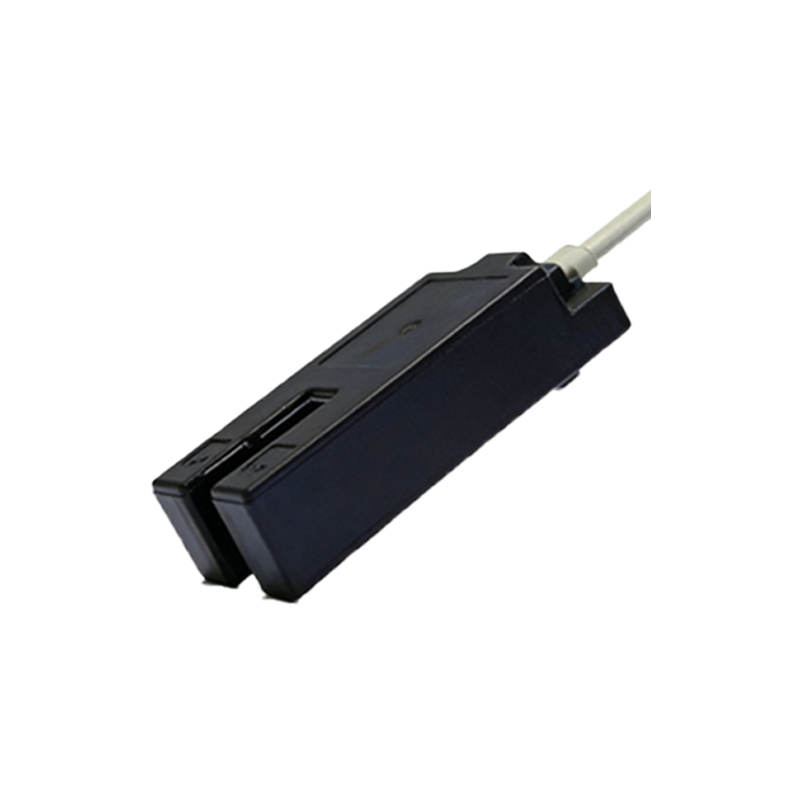
Background Suppression (BGS) Sensors
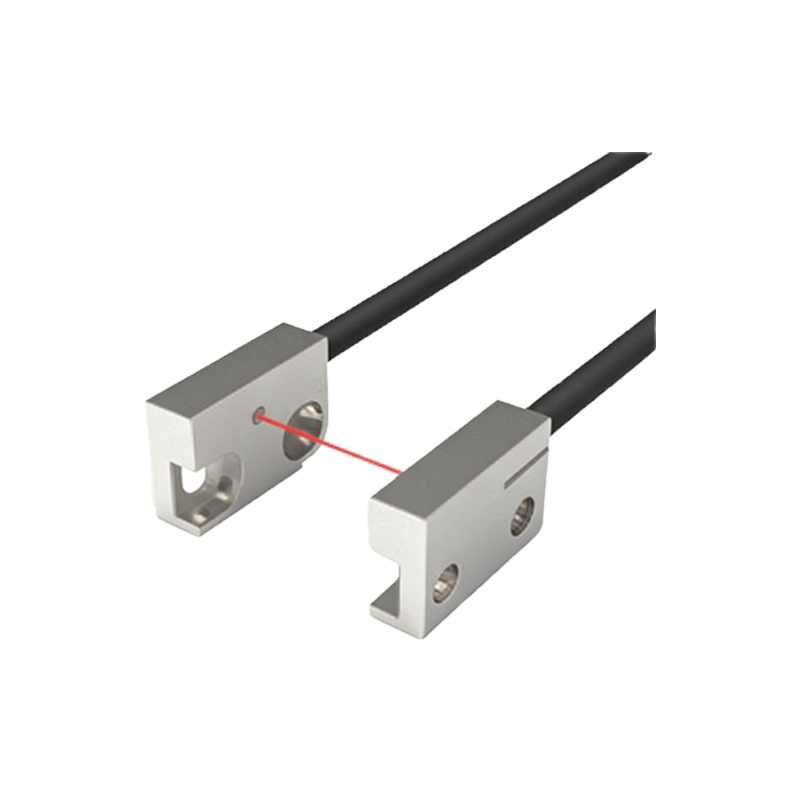
Background suppression (BGS) sensors, also known as convergent beam sensors, are designed to detect objects within a precise sensing window while ignoring anything beyond a set distance. They achieve this by using triangulation principles: the emitted light beam and receiver are angled so that only reflections from a specific range are captured. This makes BGS sensors ideal for applications where the target is close to a background surface, such as detecting transparent bottles on a conveyor or distinguishing objects in cluttered environments. With sensing ranges typically up to 500 mm, these sensors offer high accuracy and are less affected by object color or reflectivity, ensuring stable operation in dynamic industrial settings.
Color Recognition Sensors
Color recognition sensors are a specialized subset of diffuse sensors that identify objects based on color contrast rather than mere presence. They emit red, green, and blue (RGB) light and analyze the reflected wavelengths to determine color values. This capability is crucial in sorting systems, quality control, and packaging, where differentiating between colored items is necessary. For example, in food processing, these sensors can verify label colors or sort fruits by ripeness. Advanced models provide teach-in functions, allowing users to program specific color references for flexible adaptation. While more expensive than standard diffuse sensors, they provide unique functionality for color-sensitive tasks, enhancing automation precision.
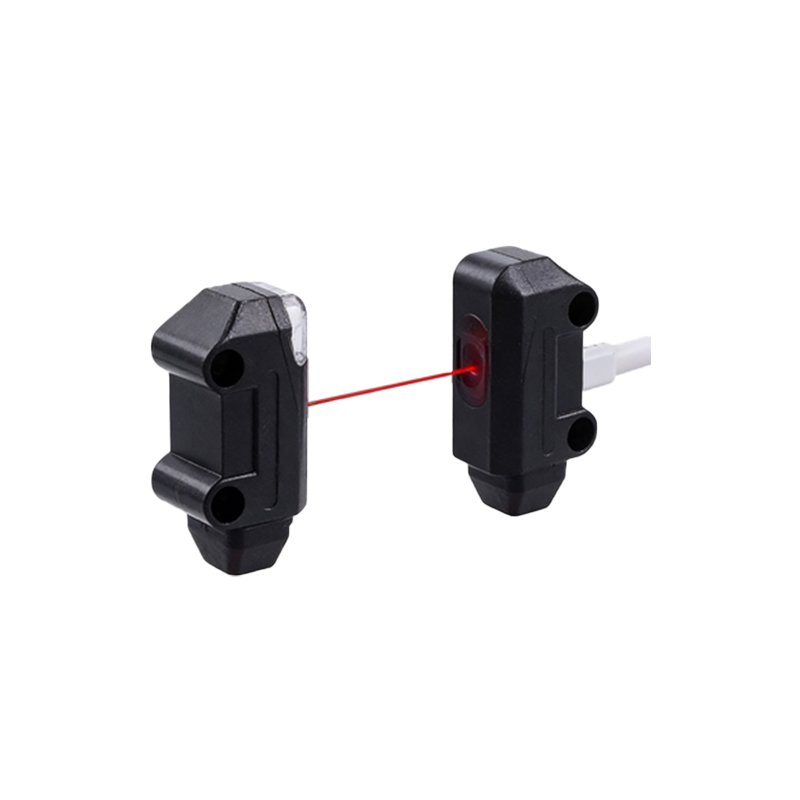
Laser-Based Diffuse Sensors
Laser-based diffuse sensors use a focused laser beam instead of diffuse LED light, offering extended sensing ranges—often up to several meters—and high precision. The narrow beam allows for detecting small objects or precise edges, making them suitable for applications like wafer alignment in electronics manufacturing or measuring material positions. Laser sensors are less susceptible to environmental factors like dust or ambient light, providing stable performance in harsh conditions. However, they require careful handling due to laser safety regulations and are typically more costly. Industries such as semiconductor production and logistics rely on these sensors for tasks demanding accuracy and long-range detection.
Fiber Optic Diffuse Sensors
Fiber optic diffuse sensors consist of a separate amplifier unit and fiber optic cables that transmit light to and from the detection point. The sensing tip is compact and immune to electromagnetic interference, enabling use in tight spaces or extreme environments like high temperatures or corrosive areas. These sensors are versatile, with various tip designs (e.g., coaxial or opposed) for different surface types. They excel in applications where space is limited, such as inside machinery or for monitoring hot objects in metalworking. While installation can be more complex, fiber optic sensors offer durability and flexibility, making them a preferred choice for challenging industrial scenarios.
Selection Criteria and Best Practices
Choosing the right diffuse photoelectric sensor involves evaluating factors like sensing range, object properties, environmental conditions, and cost. For high-reflectivity objects, standard sensors may suffice, while low-reflectivity surfaces often require BGS or laser types. Consider ambient light, dust, and temperature to ensure sensor longevity. Regular maintenance, such as lens cleaning and alignment checks, is essential for consistent performance. Integrating sensors with programmable logic controllers (PLCs) allows for real-time monitoring and adjustments. By matching sensor specifications to application needs, industries can optimize automation efficiency, reduce downtime, and improve safety in processes ranging from manufacturing to logistics.
Future Trends in Diffuse Sensing Technology
The future of diffuse photoelectric sensors is shaped by advancements in miniaturization, connectivity, and intelligence. Emerging trends include IoT-enabled sensors with Ethernet or wireless communication for data logging and remote diagnostics. Smart sensors with embedded algorithms can adapt to changing conditions, such as automatic sensitivity calibration. Additionally, developments in materials science may lead to more robust designs for extreme environments. As Industry 4.0 evolves, diffuse sensors will play a key role in predictive maintenance and adaptive systems, enhancing automation across sectors like robotics and smart factories. Staying updated on these innovations helps engineers leverage cutting-edge solutions for improved operational outcomes.