Introduction to L-Type Proximity Sensors
In the realm of industrial automation, proximity sensors are indispensable components for non-contact detection. Among the diverse range of sensor designs, the L-Type proximity sensor stands out for its unique form factor and versatile application potential. Characterized by its distinct right-angled or "L" shaped housing, this sensor type is engineered to solve specific spatial challenges on the factory floor. The compact design allows the sensing face to be positioned perpendicular to the main body, enabling installation in tight spaces where a standard cylindrical sensor would not fit. This configuration is particularly advantageous for detecting objects from the side or in confined machinery compartments, making the L-Type a preferred choice for engineers designing complex automated systems.
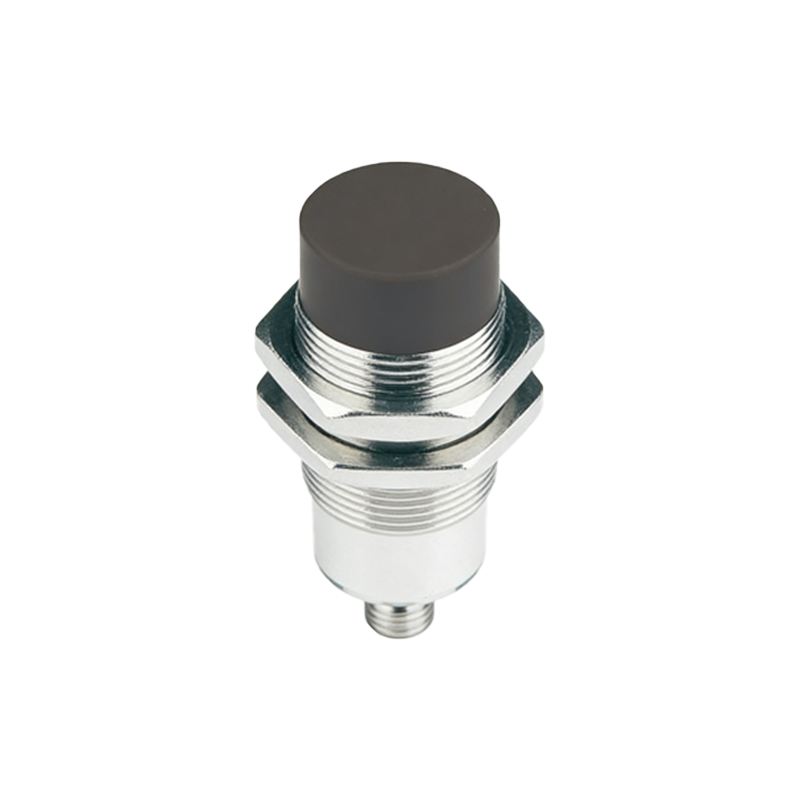
Operating Principles and Sensing Technologies
L-Type proximity sensors utilize the same core sensing technologies as their straight-bodied counterparts, with inductive and capacitive being the most prevalent. Inductive L-Type sensors are designed to detect metallic objects. They generate an electromagnetic field from the sensing face; when a metal target enters this field, it causes a change in oscillation amplitude, triggering the sensor's output switch. Capacitive L-Type sensors can detect both metallic and non-metallic materials, such as plastics, liquids, or wood, by measuring changes in capacitance. The "L" shape does not alter the fundamental physics of detection but reorients the sensing field to project from the side of the sensor body. This requires precise internal coil and circuit design to maintain stable sensing characteristics and a consistent sensing range despite the atypical housing geometry.
Key Design Features and Specifications
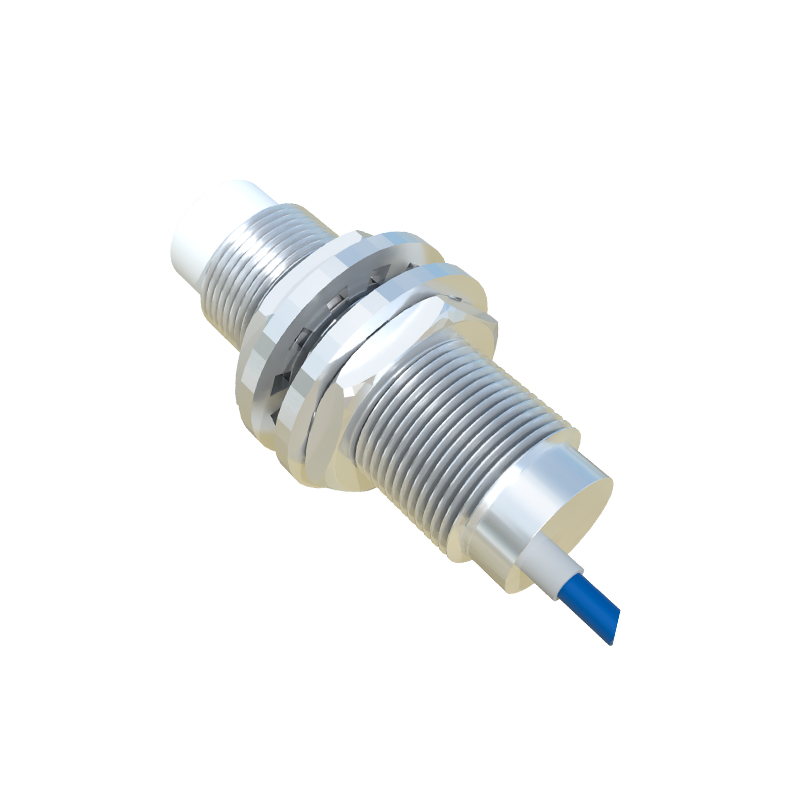
The defining feature of the L-Type sensor is its housing, typically constructed from robust materials like nickel-plated brass, stainless steel, or high-grade PBT plastic to withstand harsh industrial environments. Key specifications include sensing distance, which can range from 1 to 15 mm for standard inductive models, and is often slightly reduced compared to equivalent cylindrical sensors due to design constraints. The electrical connection is usually located at the rear of the vertical section of the "L," with options for pre-wired cables or quick-disconnect connectors. Output configurations include NPN, PNP, normally open (NO), or normally closed (NC) solid-state switches. Many models feature LED status indicators for easy diagnostics. A critical design aspect is the protection rating, with IP67 and IP69K being common, ensuring resistance to dust, water jets, and washdowns.
Advantages in Industrial Applications
The primary advantage of the L-Type proximity sensor is its spatial efficiency. It excels in applications where mounting space is limited behind the mounting surface. For instance, on a robotic arm or within a compact assembly jig, the sensor body can be mounted flush against a structure while the sensing head protrudes laterally to monitor part presence or position. This design minimizes the sensor's footprint and protects the main body from direct mechanical impact. Furthermore, the right-angled form allows for easier wiring routing in crowded control panels or machinery, as cables can be directed away from the sensing area. This leads to cleaner installations, reduced risk of cable damage, and improved maintenance accessibility.
Common Application Scenarios
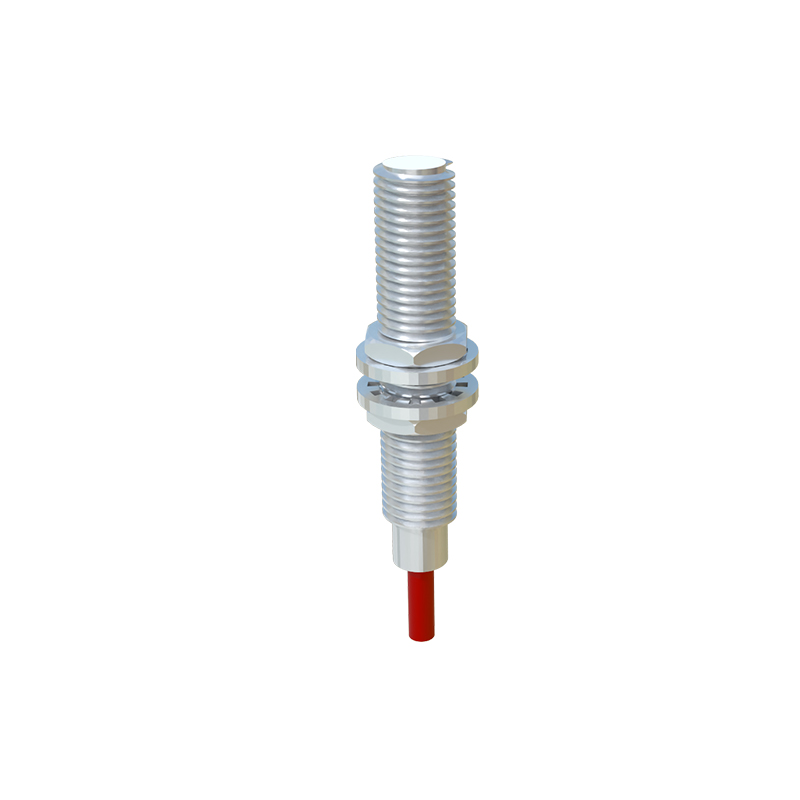
L-Type sensors find widespread use across numerous industries. In automotive manufacturing, they are deployed on welding guns to verify the presence of sheet metal before a weld cycle. In packaging machinery, they detect the position of carton flaps or the level of liquids in non-metallic containers. On conveyor systems, they serve as compact limit switches to count products or verify positioning from the side of the belt. Within semiconductor fabrication equipment, miniature L-Type sensors provide critical feedback on wafer handling robots. Their ability to be mounted directly onto extruded aluminum framing (like T-slot profiles) without requiring additional brackets is another significant benefit in modular machine design.
Installation and Alignment Considerations
Proper installation is crucial for reliable operation. The sensor must be securely mounted, paying close attention to the recommended sensing distance and ensuring the target approaches the sensing face perpendicularly within the specified tolerance. Unlike cylindrical sensors, the mounting of an L-Type often involves two surfaces: one for the base and one adjacent to the sensing head. Engineers must account for the presence of any surrounding metal (the "mounting metal" effect) which can influence the effective sensing range, especially for inductive models. Adequate clearance around the sensing head is necessary to prevent false triggers from adjacent machinery or structures. Alignment fixtures or adjustable mounting brackets are sometimes used for precise positioning.
Troubleshooting and Maintenance
Despite their robustness, L-Type sensors can encounter issues. Common problems include failure to detect due to misalignment, accumulation of debris on the sensing face (particularly for capacitive sensors), or electrical noise interference. Regular maintenance involves visual inspection for physical damage