Understanding Proximity Sensor Types and Applications
Proximity sensors are essential components in modern industrial automation, robotics, and consumer electronics. These devices detect the presence or absence of an object without physical contact, utilizing various technologies such as inductive, capacitive, ultrasonic, and photoelectric sensing. Inductive sensors are ideal for detecting metallic objects, commonly used in manufacturing assembly lines. Capacitive sensors can detect both metallic and non-metallic materials, making them suitable for liquid level detection or plastic object recognition. Ultrasonic sensors measure distance by emitting sound waves, often applied in parking assistance systems. Photoelectric sensors use light beams for detection, prevalent in packaging and material handling. Understanding these types is crucial before selecting a store, as a specialized retailer will stock sensors tailored to specific industrial needs, ensuring compatibility and performance for your project.
Key Factors in Choosing a Proximity Sensor Store
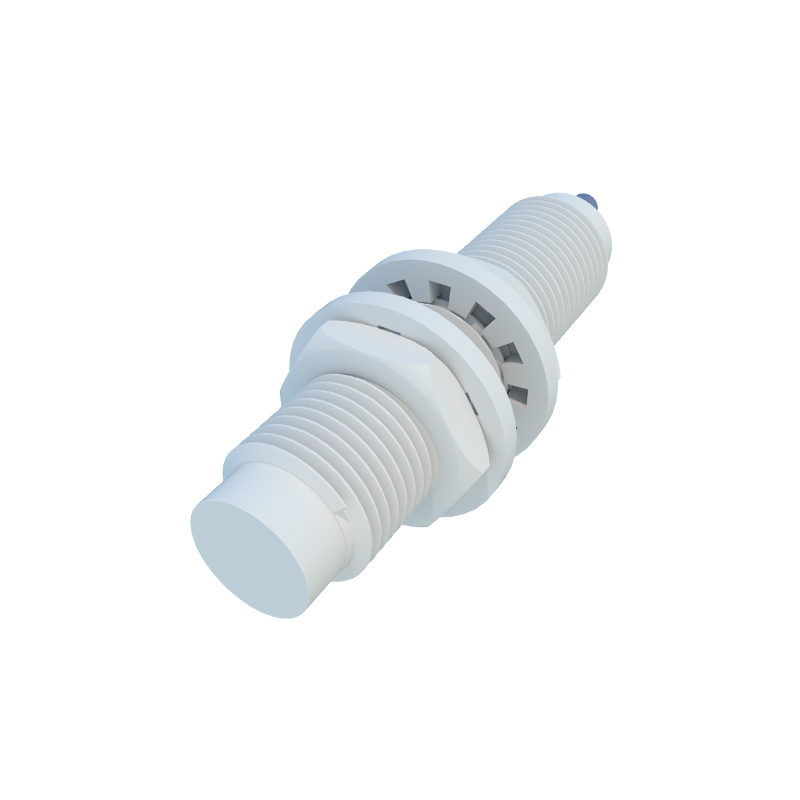
When searching for a proximity sensor store, several factors determine the quality of your purchase. First, assess the store's product range—a reputable supplier should offer a wide selection from leading brands like Omron, Schneider Electric, or Siemens, covering various sensing ranges, output types (e.g., NPN or PNP), and housing materials. Second, consider technical support and expertise; a good store employs knowledgeable staff who can provide guidance on sensor selection, installation, and troubleshooting. Third, evaluate logistics and availability: check if the store maintains adequate inventory for quick delivery, especially for urgent industrial repairs. Additionally, look for value-added services such as calibration, customization, or after-sales support, which can enhance operational efficiency. Online reviews and industry certifications, like ISO standards, can also indicate reliability and customer satisfaction.
Locating Physical Stores and Online Platforms
Finding a proximity sensor store involves exploring both physical locations and digital marketplaces. For local options, industrial districts or technology parks in major cities often host specialized electronics suppliers; using online maps with keywords like "proximity sensor dealer" or "industrial automation parts store" can pinpoint nearby addresses. Trade shows and industry conferences are excellent venues to discover vendors and compare products firsthand. Alternatively, online platforms have become increasingly popular due to convenience. Websites such as Amazon Business, Digi-Key, or RS Components offer extensive catalogs with detailed specifications, customer ratings, and fast shipping options. When buying online, verify the store's return policies, warranty terms, and shipping costs to avoid hidden fees. Combining both physical and online research ensures access to competitive prices and reliable inventory.
Evaluating Store Credibility and Customer Service
A store's credibility is paramount when purchasing proximity sensors, as substandard products can lead to system failures and safety hazards. Start by checking the store's history and reputation—established suppliers with years of industry experience are generally more trustworthy. Look for customer testimonials or case studies on their website, and inquire about partnerships with recognized manufacturers, which often indicate authorized distribution. Customer service quality is another critical aspect; test their responsiveness by asking technical questions via phone or email. A reliable store should offer clear communication, prompt replies, and willingness to assist with complex queries. Additionally, assess their after-sales support, including repair services, replacement parts availability, and technical documentation access. These factors collectively ensure a smooth purchasing experience and long-term reliability for your automation projects.
Tips for Cost-Effective Procurement and Maintenance
To optimize your investment in proximity sensors, adopt strategic procurement and maintenance practices. When selecting a store, compare prices across multiple suppliers but avoid compromising quality for lower costs—consider total cost of ownership, including durability and energy efficiency. Bulk purchases or long-term contracts may secure discounts, especially for industrial clients. For maintenance, choose stores that provide sensor testing and calibration services to extend device lifespan and ensure accuracy. Regularly clean sensor surfaces to prevent false triggers from dust or debris, and follow manufacturer guidelines for environmental conditions like temperature or humidity. Finally, stay updated on new sensor technologies through store newsletters or training sessions, enabling upgrades that improve system performance. By prioritizing both cost-effectiveness and proactive care, you can maximize the value from your chosen proximity sensor store.