Introduction to Infrared Photoelectric Sensors
Infrared photoelectric sensors are pivotal components in modern industrial automation, utilizing infrared light to detect the presence, absence, or position of objects without physical contact. These sensors operate by emitting an infrared beam from a transmitter and receiving it with a receiver. The fundamental principle relies on the modulation of this beam; when an object interrupts or reflects the beam, the sensor's output state changes, triggering a response in the control system. This non-contact detection method offers significant advantages, including high reliability, long operational life, and immunity to environmental factors like dust or moisture when properly sealed. Industries favor infrared sensors for their rapid response times, often in milliseconds, making them suitable for high-speed production lines. Their ability to detect various materials—opaque, transparent, or reflective—adds to their versatility, though specific sensor types (e.g., through-beam, retro-reflective, diffuse) are chosen based on application needs to optimize performance.
Key Operating Principles and Components
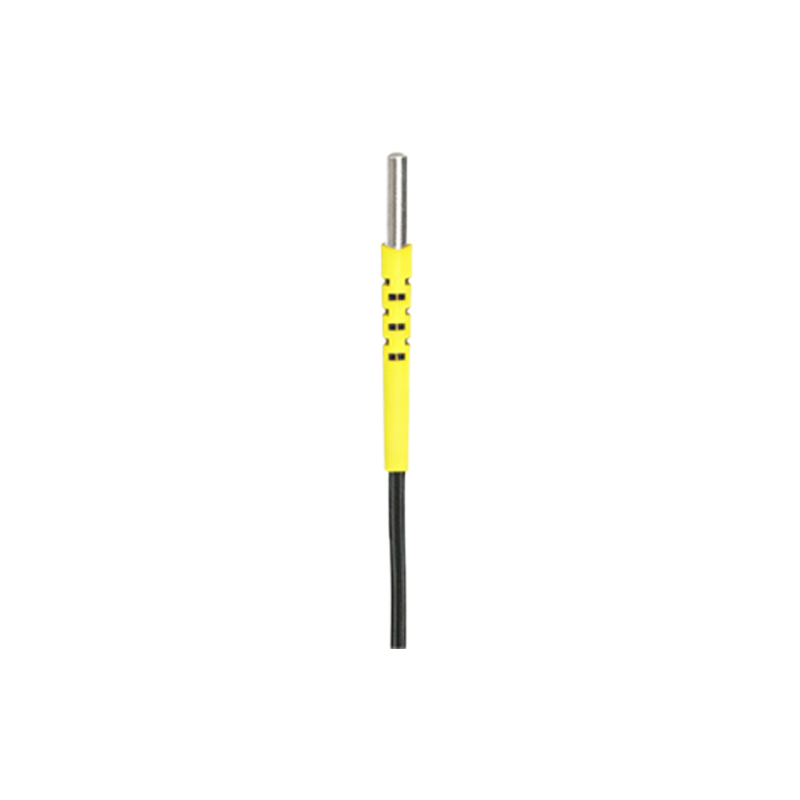
At the core of an infrared photoelectric sensor are three main elements: an infrared LED or laser diode as the light source, a phototransistor or photodiode as the receiver, and signal processing circuitry. The light source emits modulated infrared radiation, typically at wavelengths between 850 nm and 950 nm, which is invisible to the human eye, reducing interference from ambient light. Modulation involves pulsing the light at a specific frequency, allowing the receiver to distinguish the signal from background noise, thereby enhancing accuracy and range. The receiver converts the incoming infrared light into an electrical signal, which is then amplified and processed by the circuitry to determine the sensor's output. Advanced sensors incorporate microprocessors for functions like background suppression, temperature compensation, and programmable logic, enabling precise detection even in challenging conditions such as varying surface colors or distances.
Types of Infrared Photoelectric Sensors
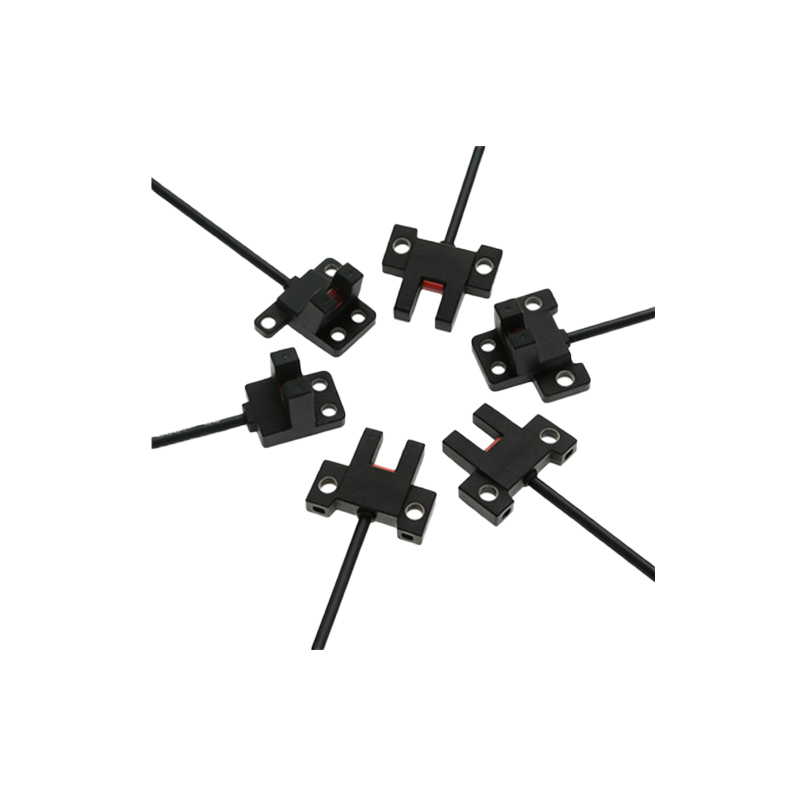
Infrared photoelectric sensors are categorized into three primary types based on their detection method. Through-beam sensors consist of separate transmitter and receiver units placed opposite each other; detection occurs when an object breaks the beam, offering the longest sensing ranges and highest accuracy. Retro-reflective sensors use a single unit with both transmitter and receiver, along with a reflector; the beam bounces back from the reflector, and detection happens when an object interrupts this return path, providing a good balance of range and ease of installation. Diffuse sensors, or proximity sensors, house the transmitter and receiver together and rely on light reflecting directly off the target object; they are compact and ideal for short-range detection but can be affected by the object's color or texture. Each type has specific applications, from conveyor belt monitoring to robotic positioning, with selection depending on factors like distance, environmental conditions, and target characteristics.
Applications in Industrial Automation
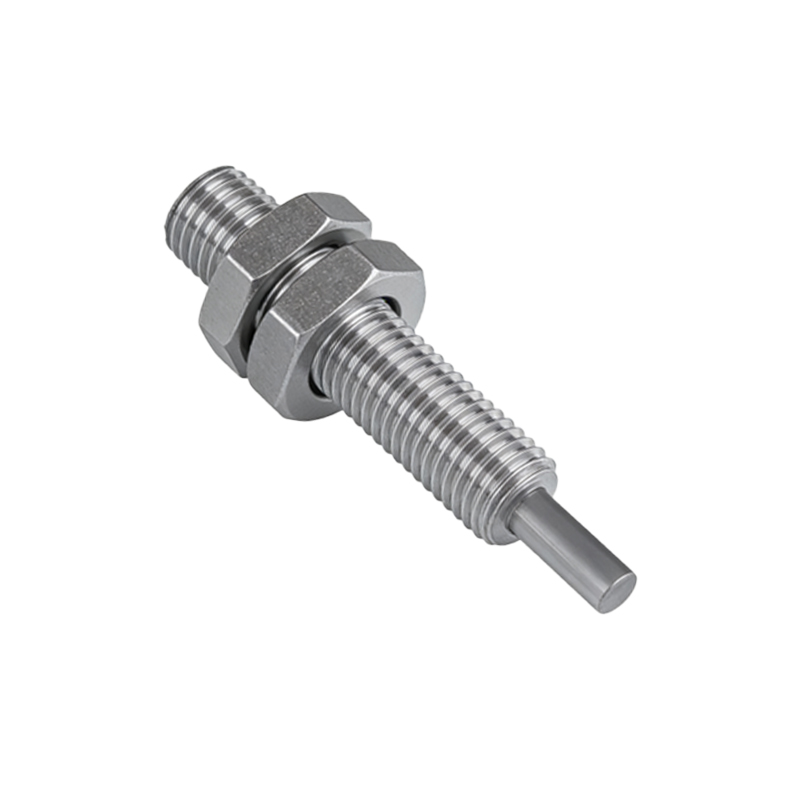
In industrial settings, infrared photoelectric sensors are indispensable for automation and control systems. They are widely used for object detection on assembly lines, ensuring components are present and correctly positioned before processing steps. In packaging machinery, sensors count products, verify fill levels, and detect label placement, enhancing efficiency and reducing waste. Robotics relies on these sensors for precise positioning and obstacle avoidance, enabling safe and accurate operations in collaborative environments. Additionally, they play a critical role in safety systems, such as light curtains that protect workers by halting machinery when a beam is interrupted. Other applications include liquid level detection in tanks, edge guiding in web processing, and part sorting based on size or presence. Their adaptability to harsh industrial environments—resistant to vibrations, temperature fluctuations, and contaminants—makes them a cornerstone of smart manufacturing and Industry 4.0 initiatives.
Advantages and Limitations
Infrared photoelectric sensors offer numerous benefits that drive their adoption in automation. Their non-contact nature eliminates wear and tear, ensuring longevity and minimal maintenance. They provide fast and reliable detection across various materials, contributing to high throughput and reduced downtime. Energy efficiency is another advantage, as modulated signals consume less power. However, limitations exist: performance can be affected by environmental factors like extreme temperatures, heavy dust, or strong ambient light, though enclosures and filters mitigate these issues. Transparent or highly reflective objects may pose detection challenges, requiring sensor tuning or alternative types. Additionally, sensing range is finite, with through-beam sensors offering the longest distances (up to tens of meters) and diffuse sensors limited to shorter ranges. Understanding these trade-offs is essential for optimal sensor selection and integration.
Installation and Calibration Best Practices
Proper installation and calibration are crucial for maximizing infrared photoelectric sensor performance. Mounting should ensure stable alignment, free from vibrations that could misdirect the beam. For through-beam sensors, precise alignment between transmitter and receiver is vital; laser pointers or alignment tools can aid in setup. Retro-reflective sensors require correct positioning relative to reflectors, avoiding angular misalignment that reduces signal strength. Diffuse sensors need consideration of the target's reflectivity and background objects to prevent false triggers. Calibration involves adjusting sensitivity settings to match the application, such as setting thresholds for detection distances or light intensity. Regular maintenance, including lens cleaning to prevent dirt buildup, ensures consistent operation. Following manufacturer guidelines and conducting periodic checks can prevent failures and extend sensor life in demanding industrial environments.
Future Trends and Innovations
The future of infrared photoelectric sensors is shaped by advancements in technology and evolving industrial demands. Miniaturization is enabling smaller sensors for compact machinery and IoT devices, while enhanced signal processing algorithms improve accuracy and noise immunity. Integration with digital communication protocols, such as IO-Link, allows for real-time data exchange and remote configuration, facilitating predictive maintenance and smarter automation. Developments in materials science may lead to sensors with broader wavelength ranges or improved resistance to harsh conditions. Additionally, the rise of AI and machine learning could enable adaptive sensors that self-optimize based on environmental changes. As industries move toward greater connectivity and automation, infrared photoelectric sensors will continue to evolve, offering more intelligent, efficient, and versatile solutions for detection challenges.