Introduction to High-Precision Proximity Sensors
High-precision proximity sensors represent a critical advancement in industrial automation, offering unparalleled accuracy in detecting the presence, absence, or position of objects without physical contact. These sensors operate on various principles, including inductive, capacitive, and magnetic technologies, each tailored to specific environmental and material conditions. Unlike standard proximity sensors, high-precision variants are engineered to deliver micron-level resolution, minimal hysteresis, and exceptional repeatability, making them indispensable in applications where even the slightest measurement error can lead to significant operational failures. Their ability to function reliably in harsh industrial settings—amidst dust, moisture, and temperature fluctuations—further underscores their value in modern manufacturing and robotics.
Core Technological Features
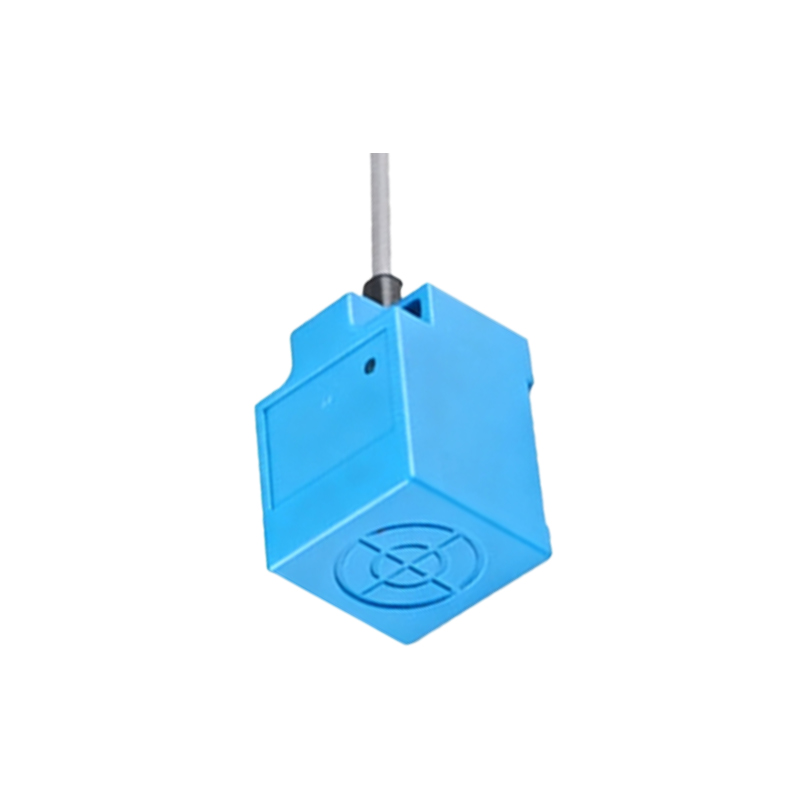
The standout features of high-precision proximity sensors stem from sophisticated design elements. First, their advanced sensing elements utilize high-frequency oscillation or magnetic field modulation to detect metallic or non-metallic targets with extreme sensitivity. Many models incorporate temperature compensation circuits that maintain accuracy across a wide thermal range, typically from -25°C to 85°C. Additionally, these sensors often feature embedded microprocessors for real-time signal processing, enabling adaptive threshold adjustments and noise filtering. The housing is usually constructed from stainless steel or ruggedized polymers, providing IP67 or higher ingress protection against contaminants. With response times as fast as 0.1 milliseconds, they can keep pace with high-speed production lines without lag.
Accuracy and Repeatability Metrics
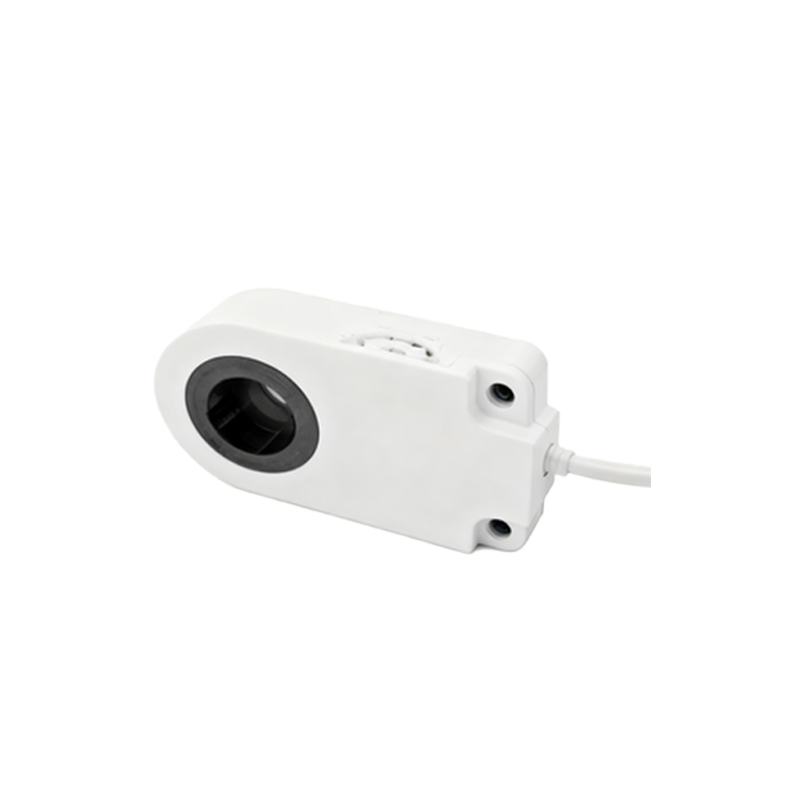
Accuracy and repeatability are the hallmarks of high-precision proximity sensors. Accuracy refers to the sensor's ability to provide measurements close to the true value, often specified within ±0.5% of the sensing range. Repeatability denotes the consistency of readings under identical conditions, with top-tier sensors achieving deviations of less than 0.1%. These metrics are ensured through laser-trimmed components and calibration during manufacturing. For instance, in automated assembly lines, such sensors can detect minute positional shifts of components, ensuring perfect alignment. The low hysteresis—typically under 1%—means that the activation and deactivation points remain stable, reducing false triggers and enhancing process reliability.
Application Scenarios in Industry
High-precision proximity sensors find extensive use across diverse sectors. In automotive manufacturing, they monitor robotic weld gun positions and verify part placements in engine assemblies. The electronics industry relies on them for PCB component insertion and solder paste inspection, where sub-millimeter precision is mandatory. Packaging machinery employs these sensors to control fill levels and label positioning, while pharmaceutical lines utilize them for vial counting and cap sealing verification. In metalworking, they facilitate tool wear monitoring and sheet thickness measurement. Their non-contact nature prevents product damage and minimizes maintenance, leading to higher throughput and reduced downtime.
Integration with Industrial Networks
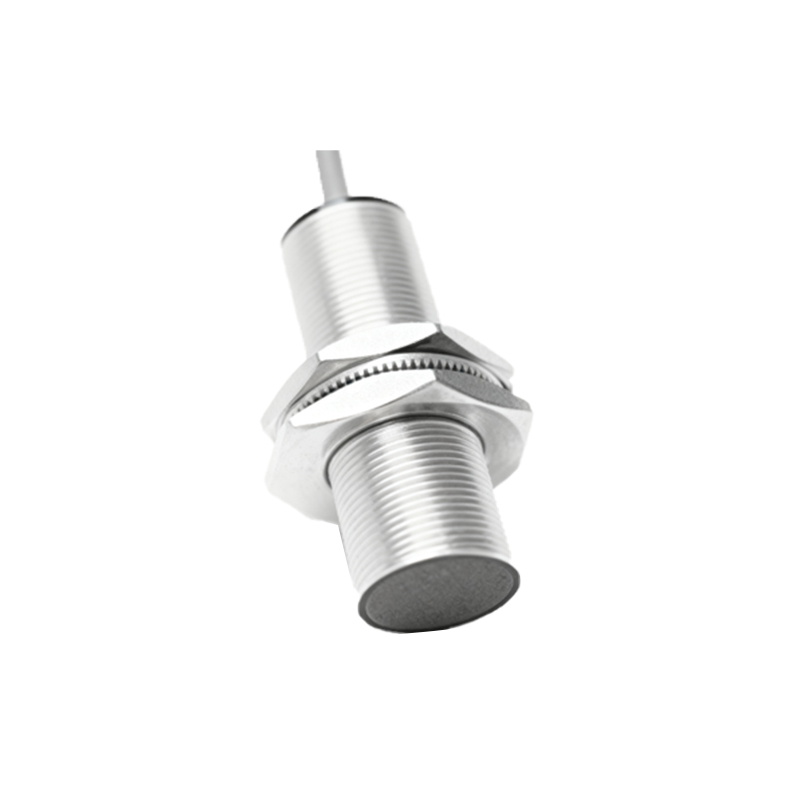
Modern high-precision proximity sensors are designed for seamless integration into industrial ecosystems. They support standard output signals such as NPN/PNP, analog (4-20 mA, 0-10 V), and IO-Link digital communication. IO-Link compatibility allows for parameter configuration, diagnostics, and data exchange over a single cable, enabling predictive maintenance through continuous health monitoring. These sensors can interface with PLCs, PACs, and SCADA systems, providing real-time feedback for closed-loop control. Some advanced models even offer Ethernet/IP or PROFINET connectivity, fitting directly into Industry 4.0 frameworks for smart factory automation. This connectivity ensures that sensor data contributes to overall equipment effectiveness (OEE) analytics.
Selection and Installation Guidelines
Choosing the right high-precision proximity sensor requires careful consideration of several factors. The target material (ferrous, non-ferrous, or non-metallic) determines whether inductive, capacitive, or magnetic sensing is appropriate. The required sensing distance, environmental conditions (e.g., exposure to chemicals or extreme temperatures), and electrical specifications (voltage, current draw) must align with application needs. Installation is critical: sensors should be mounted securely to avoid vibration-induced errors, with adequate clearance from adjacent metal objects to prevent electromagnetic interference. Regular calibration checks, as per manufacturer guidelines, help sustain long-term accuracy. Proper shielding of cables is also advised to mitigate signal degradation in electrically noisy environments.
Future Trends and Innovations
The evolution of high-precision proximity sensors is driven by emerging industrial demands. Miniaturization is a key trend, with sensors shrinking in size while maintaining or improving performance, allowing integration into compact devices. Enhanced smart features, such as self-diagnostics and wireless capabilities, are becoming more common, reducing wiring complexity and enabling flexible layouts. Research into new sensing materials and AI-enhanced signal processing promises even greater accuracy and adaptability to variable conditions.