In the intricate dance of modern industrial automation, robotics, and intelligent systems, a silent yet critical performer ensures seamless operation and paramount safety: the high-speed proximity sensor. These devices are the unsung heroes, providing the instantaneous, non-contact detection of objects that forms the foundational layer of feedback for countless automated processes. Unlike their mechanical switch predecessors, they offer reliability, longevity, and the blistering speed essential for today's high-throughput environments.
At its core, a high-speed proximity sensor detects the presence or absence of an object within a defined sensing range without physical contact. The "high-speed" designation refers to its exceptionally fast response time—often measured in microseconds or milliseconds—and its ability to handle a high switching frequency. This means it can detect objects passing by at tremendous speeds, making it indispensable in applications like packaging lines, semiconductor manufacturing, high-speed sorting, and robotic assembly where milliseconds matter.
Several sensing technologies enable this rapid detection, each with unique advantages. Inductive proximity sensors are the workhorses for detecting metallic objects. They generate an electromagnetic field; when a metal target enters this field, it induces eddy currents, causing a change in the sensor's oscillation amplitude that triggers a switching signal. Their robustness, resistance to environmental contaminants like dust and oil, and incredible speed make them ideal for harsh industrial settings.
Capacitive proximity sensors, on the other hand, can detect both metallic and non-metallic materials (plastics, wood, liquids, granules) by sensing changes in capacitance. They are crucial in industries like food and beverage or chemical processing where diverse materials are present. Photoelectric sensors utilize a light beam (often infrared, laser, or visible LED) and detect objects by the beam's interruption (through-beam) or reflection (retro-reflective or diffuse). Modern fiber-optic and laser-based photoelectric sensors achieve some of the highest speeds and finest resolutions, perfect for precise positioning and detecting极小 objects.
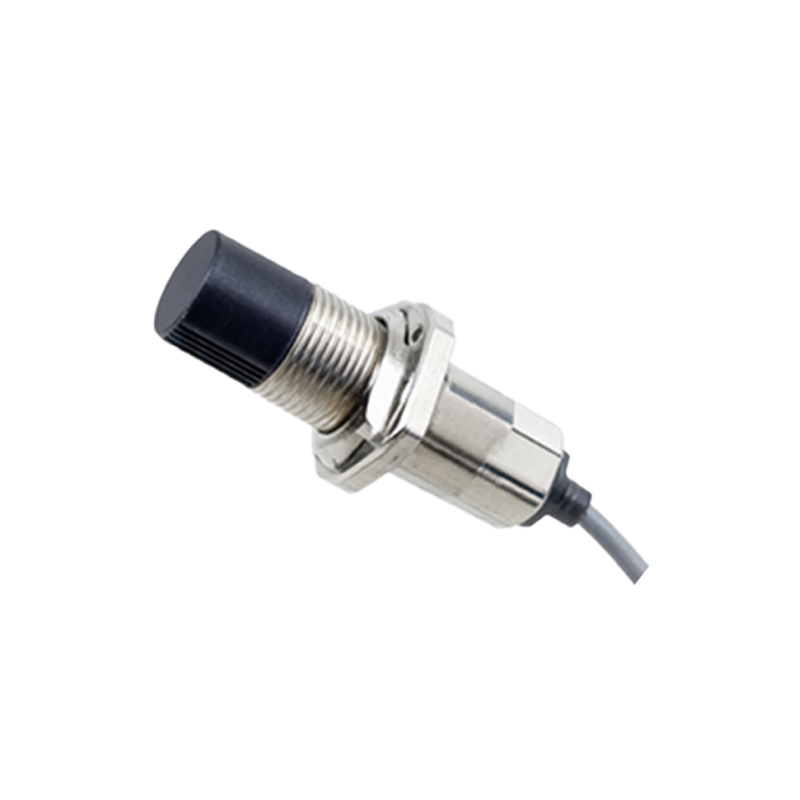
The performance of a high-speed sensor is quantified by key parameters. Response time is the delay between the target entering the sensing zone and the output signal switching. Switching frequency defines how many detection cycles (on/off) the sensor can perform per second. Sensing distance, repeat accuracy, and environmental ratings (IP, NEMA) for resistance to temperature, shock, and chemicals are equally vital for selection.
The applications are vast and transformative. In automotive manufacturing, arrays of high-speed sensors synchronize robotic welders and ensure component presence before a critical assembly step, preventing costly errors and downtime. On high-speed bottling lines, they count, inspect, and monitor fill levels at rates impossible for human eyes. In collaborative robotics (cobots), they provide the essential safety layer, enabling immediate shutdown if a human worker enters a hazardous zone. Furthermore, in the realm of Industry 4.0 and the Industrial Internet of Things (IIoT), these sensors are the primary data sources. Their digital outputs feed into PLCs and networked systems, enabling real-time process monitoring, predictive maintenance, and data-driven optimization.
Selecting the right sensor requires careful analysis. Engineers must consider the target material, required sensing distance, the necessary speed (response time and frequency), environmental conditions, and the required output type (PNP/NPN, analog, IO-Link). The physical housing style (cylindrical, rectangular, slot-type) also matters for installation. A sensor chosen incorrectly for the application can become a bottleneck or a point of failure.
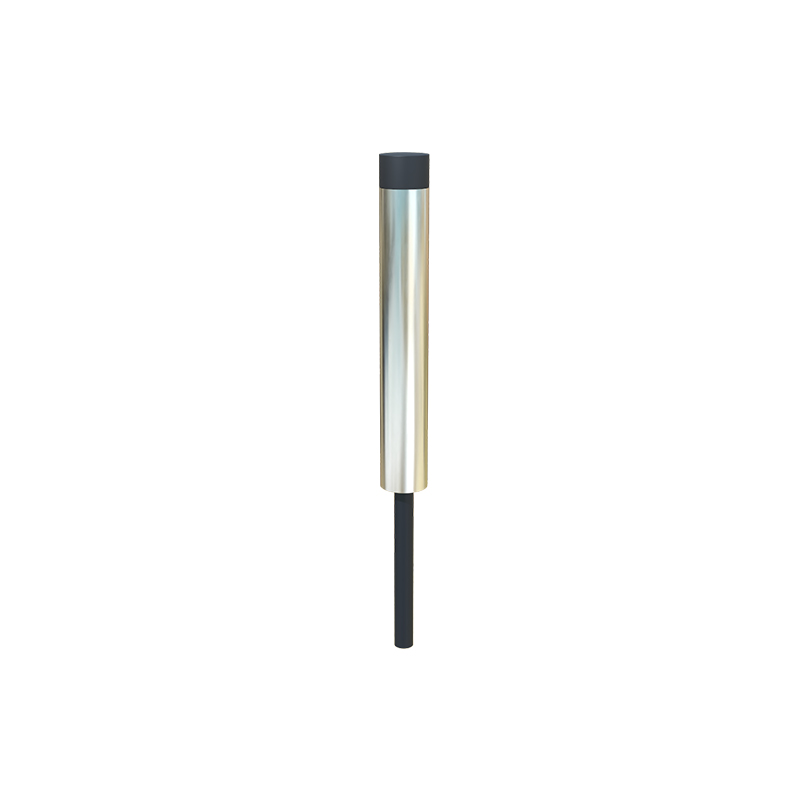
Looking ahead, the evolution of high-speed proximity sensors is intertwined with trends in miniaturization, intelligence, and connectivity. Sensors with integrated IO-Link communication are becoming standard, providing not just a simple switch signal but a wealth of diagnostic data (operating temperature, signal strength, contamination warnings) to upstream controllers. This facilitates condition monitoring and moves maintenance from a reactive to a predictive model. Advancements in materials and electronics continue to push the boundaries of speed, sensitivity, and durability.
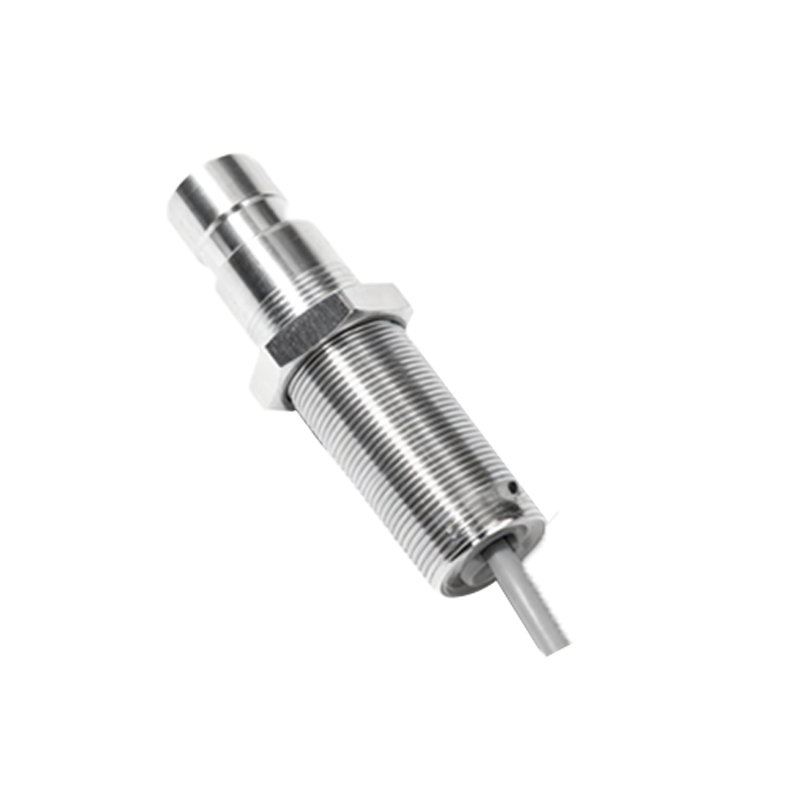
In conclusion, high-speed proximity sensors are far more than simple switches. They are fundamental, enabling technologies that drive efficiency, precision, and safety across global industries. By providing instantaneous, reliable feedback at the edge of the physical process, they form the critical link between the mechanical world and the digital control system, powering the automation that defines modern manufacturing and beyond. Their continued advancement will remain pivotal in realizing smarter, faster, and more adaptable automated systems for the future.