In today's rapidly automating industrial landscape, laser sensors have become indispensable components for precision measurement, detection, and positioning. A common and critical question for engineers, procurement specialists, and system integrators is: "What is the price of a laser sensor?" The answer is rarely a single figure. The cost of a laser sensor is a complex equation influenced by a multitude of technical, commercial, and application-specific factors. Understanding these variables is essential for making an informed investment that balances budget with performance and long-term reliability.
At the core of the price structure lies the fundamental technology and performance specifications. The type of laser source is a primary differentiator. Standard visible red laser diodes are typically the most economical, suitable for basic presence detection. As requirements escalate for longer ranges, higher precision, or visibility in challenging environments, sensors employing Class 2M or even Class 1 infrared lasers see a corresponding increase in price. The measurement principle plays an equally significant role. Simple diffuse reflection sensors, where the sensor emits and receives its own light, are generally lower-cost. More sophisticated models using background suppression, retro-reflective, or through-beam principles command higher prices due to their enhanced functionality and immunity to object color or reflectivity. For precise distance measurement, time-of-flight (ToF) or triangulation-based laser sensors involve complex optics and processing electronics, placing them in a higher price bracket.
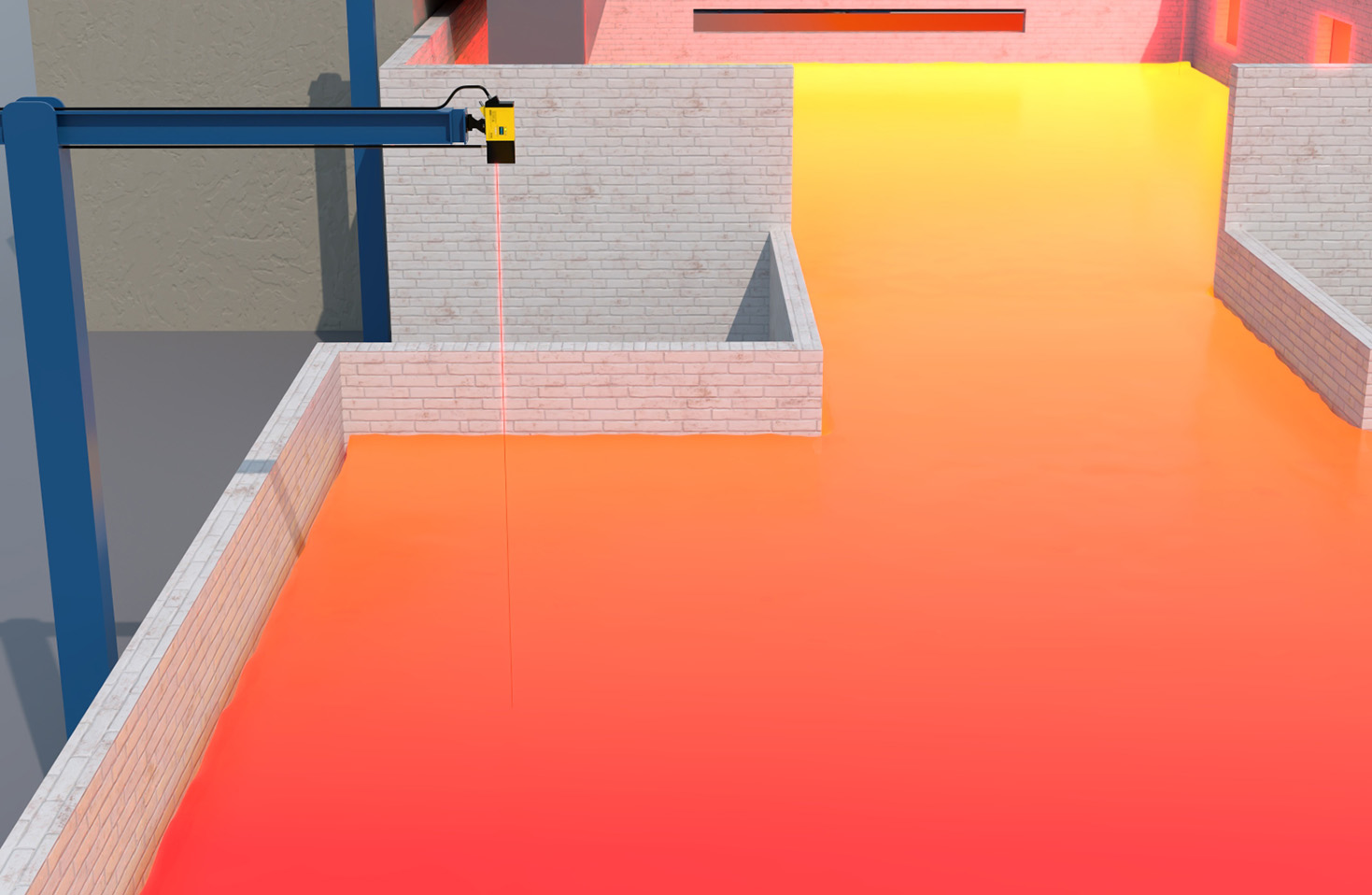
Performance metrics directly correlate with cost. Measurement range is a key driver; a sensor with a 10-meter range will cost significantly more than one with a 1-meter range. Similarly, resolution and repeatability are critical. A sensor offering micron-level resolution for delicate assembly tasks requires superior components and calibration, increasing its price. Switching frequency or response time is another factor; high-speed applications in packaging or electronics manufacturing demand sensors with faster processors and optimized optics. Environmental ratings are non-negotiable for many industries. A laser sensor housed in a rugged IP67-rated stainless-steel casing, capable of withstanding washdowns, extreme temperatures, or heavy vibration, will inherently cost more than a standard plastic-housed unit for benign office environments.
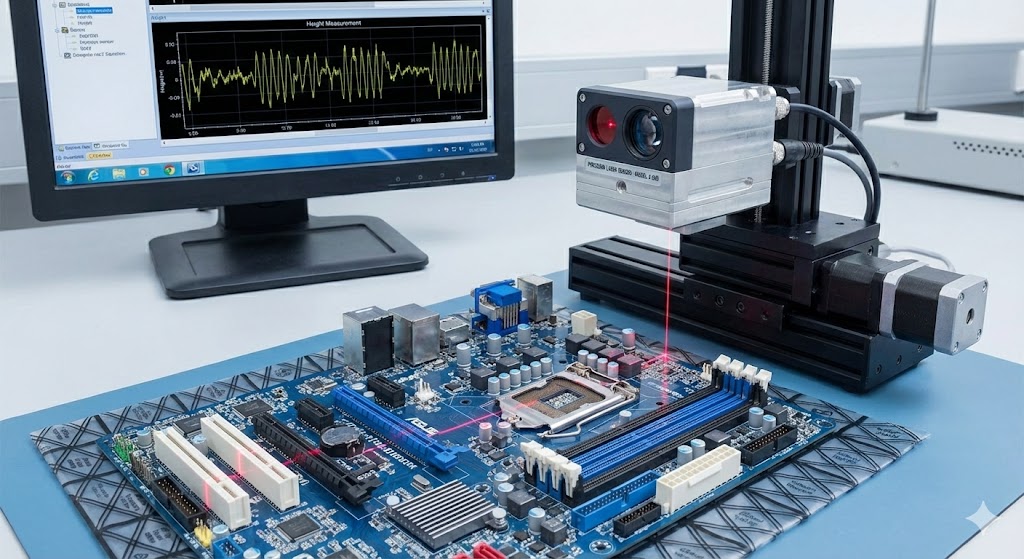
Beyond the hardware, features and intelligence add layers of cost. Basic sensors provide a simple digital on/off output. Models with programmable logic, teach-in functions (for easy setup), analog outputs (4-20mA or 0-10V), or industrial communication protocols like IO-Link, PROFINET, or EtherNet/IP offer greater flexibility and integration potential, justifying a higher price point. These "smart" sensors facilitate predictive maintenance and data-rich process monitoring, adding value that transcends the initial purchase price.
The brand and commercial ecosystem surrounding the sensor significantly influence its market price. Established global manufacturers like Keyence, SICK, Banner Engineering, Omron, and Pepperl+Fuchs often position their products at a premium. This price reflects not only consistent quality and rigorous testing but also extensive technical support, comprehensive documentation, readily available spare parts, and reliable warranty services. Conversely, generic or lesser-known brands may offer lower upfront costs, which can be attractive for budget-constrained or non-critical applications. However, this may involve trade-offs in long-term reliability, availability of technical assistance, or supply chain consistency. The sales channel also matters. Purchasing directly from the manufacturer or an authorized distributor typically ensures authenticity and support, while third-party marketplaces might offer discounts but with potential risks.
When evaluating laser sensor price, adopting a Total Cost of Ownership (TCO) perspective is crucial. The initial purchase price is just one component. Consider installation time and complexity, calibration needs, expected service life, and mean time between failures (MTBF). A slightly more expensive, robust sensor from a reputable brand that operates flawlessly for years without downtime often proves far more economical than a cheaper alternative that fails frequently, causing production stoppages, quality issues, and costly replacements. The value delivered in terms of process optimization, waste reduction, and improved product quality can provide a rapid return on investment, making the sensor's price a secondary consideration.
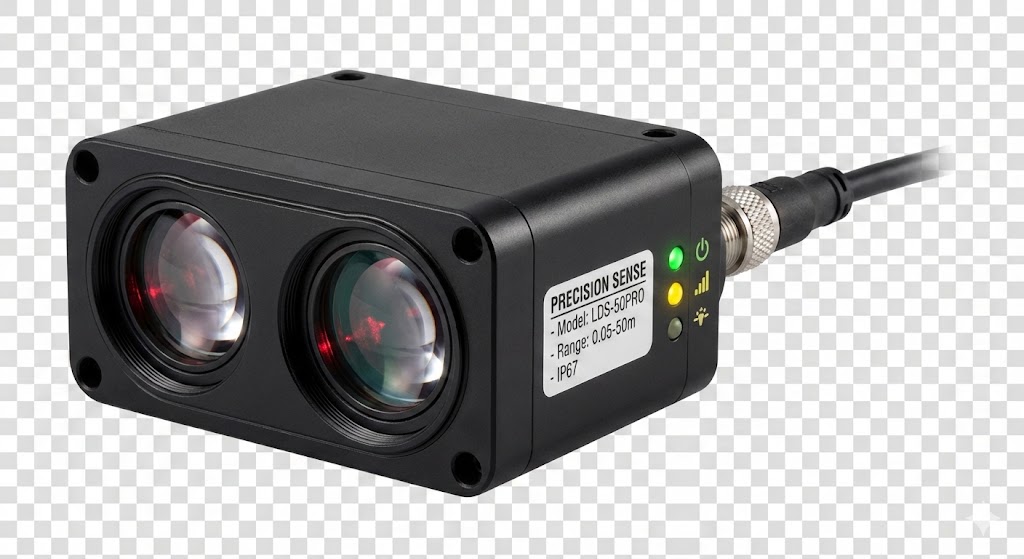
For accurate and current pricing, it is always recommended to consult directly with manufacturers or their authorized distributors. They can provide detailed quotations based on your specific application requirements, volume, and desired service level. Prepare to detail your needs: required sensing range, target object properties (size, color, material), environmental conditions, required output, and mounting constraints. This information allows suppliers to recommend the most cost-effective solution, potentially avoiding over-engineering or specifying an inadequate sensor.
In conclusion, the price of a laser sensor is a variable tied directly to its capabilities, durability, and the support behind it. From a few tens of dollars for a basic model to several thousand for a high-performance, feature-rich industrial unit, the spectrum is wide. The most strategic approach is to meticulously define your application requirements, then evaluate options based on the balance of performance specifications, brand reputation, and long-term operational value. Investing in the right laser sensor is an investment in precision, efficiency, and ultimately, the productivity and quality of your operations.